

Discover the Perfect Height for Your Kitchen Vent Hood to Elevate Safety and Performance!
Choosing the right height for your kitchen vent hood is more than just a matter of aesthetics; it’s crucial for ensuring safety and enhancing cooking performance. A properly installed vent hood effectively removes smoke, odors, and airborne grease, creating a healthier environment for your kitchen. However, many homeowners overlook the importance of vent hood height, which can lead to unsatisfactory ventilation and potential hazards. In this article, we will explore the best practices and guidelines for determining the optimal height for your vent hood above the stove, helping you to achieve both functional and safe kitchen performance.
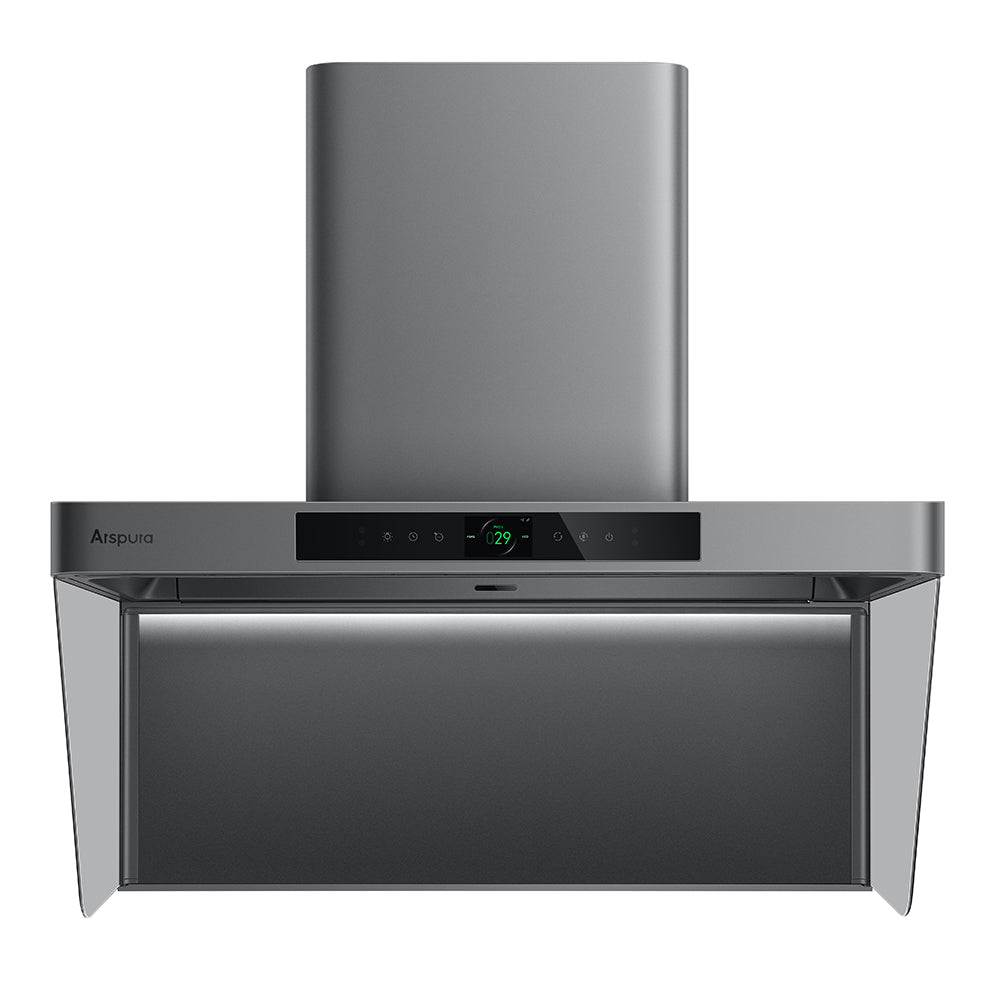
Understanding Vent Hood Functionality
At its core, a vent hood is designed to improve air quality in your kitchen by capturing and expelling contaminants generated during cooking. Without proper ventilation, smoke from frying, steam from boiling, and odors from cooking can linger, causing discomfort and potentially harmful air quality. Vent hoods work by using a fan to create airflow that draws in these airborne particles and expels them outside. This functionality is vital not only for comfort but also for maintaining the integrity of your kitchen surfaces and appliances, which can be affected by grease buildup. When considering vent hood height, it’s essential to recognize that the effectiveness of this system relies heavily on its placement. If it’s too high, it won’t capture smoke and odors efficiently; if it’s too low, it may obstruct cooking and pose safety risks.
Recommended Height Guidelines
The recommended height for vent hoods varies depending on the stove type and kitchen layout. For standard electric stoves, the general guideline is to install the vent hood 24 to 30 inches above the cooking surface. In contrast, gas stoves typically require a height of 30 to 36 inches due to the higher heat output. These recommendations help ensure that the vent hood can effectively capture smoke and steam without interfering with cooking activities. Furthermore, if your kitchen has higher ceilings, you may need to adjust the height accordingly. Some homeowners have opted for a taller vent hood to maintain the same distance above the stove, which can enhance aesthetics while still providing adequate ventilation. It’s important to consult your vent hood’s installation manual for specific recommendations, as these guidelines can vary based on the model and design.
Factors Influencing Height Decisions
Several factors can influence the optimal height for your vent hood installation. The type of stove you use plays a significant role, as gas stoves produce more heat and require a higher placement for optimal performance. Cooking styles are also a consideration; if you frequently engage in high-heat cooking techniques like frying or grilling, a lower vent hood may be beneficial to capture smoke and odors more effectively. Additionally, the layout of your kitchen can impact height decisions. For instance, if your kitchen features an island stove, the vent hood may need to be installed lower to ensure it effectively captures smoke from all angles. Personal experiences shared by friends and family have shown that taking these factors into account can lead to a much more enjoyable cooking experience.
Safety Considerations
Safety should always be a priority when installing a vent hood. One of the main concerns is the potential fire hazard associated with improper vent hood height. A vent hood that is too low can obstruct cooking, leading to accidental fires or burns. Additionally, if the vent hood is too high, it may not provide adequate clearance for smoke and grease, creating a buildup that poses a fire risk. Ensuring proper clearance is crucial for safe operation, particularly in busy kitchens where multiple cooking activities occur simultaneously. It’s also advisable to check local building codes and safety regulations, as they may dictate specific installation requirements you need to follow to ensure compliance and safety.
Performance Optimization
The right height for your vent hood can significantly enhance its performance. When installed at the appropriate height, a vent hood can improve air circulation, allowing for more efficient removal of smoke, steam, and odors. This not only creates a more pleasant cooking environment but also minimizes energy consumption, as the appliance won’t have to work as hard to ventilate the kitchen. Ensuring that your vent hood is properly positioned can lead to a noticeable difference in air quality and energy efficiency. From personal experience, friends who have adjusted their vent hood height have reported a significant decrease in lingering odors and an overall more enjoyable cooking experience, highlighting the importance of this often-overlooked aspect of kitchen design.
Key Considerations for Proper Vent Hood Height
In conclusion, selecting the correct height for your kitchen vent hood is crucial for achieving optimal performance and ensuring safety in your cooking space. By understanding the functionality of vent hoods, following recommended height guidelines, and considering various influencing factors, you can make informed decisions that enhance your kitchen experience. Safety considerations cannot be overlooked, as they play a vital role in preventing potential hazards associated with improper installation. Ultimately, a well-placed vent hood not only improves air quality but also makes your time in the kitchen more enjoyable and efficient. Take the time to evaluate your kitchen setup and ensure that your vent hood is installed at the right height for the best results.