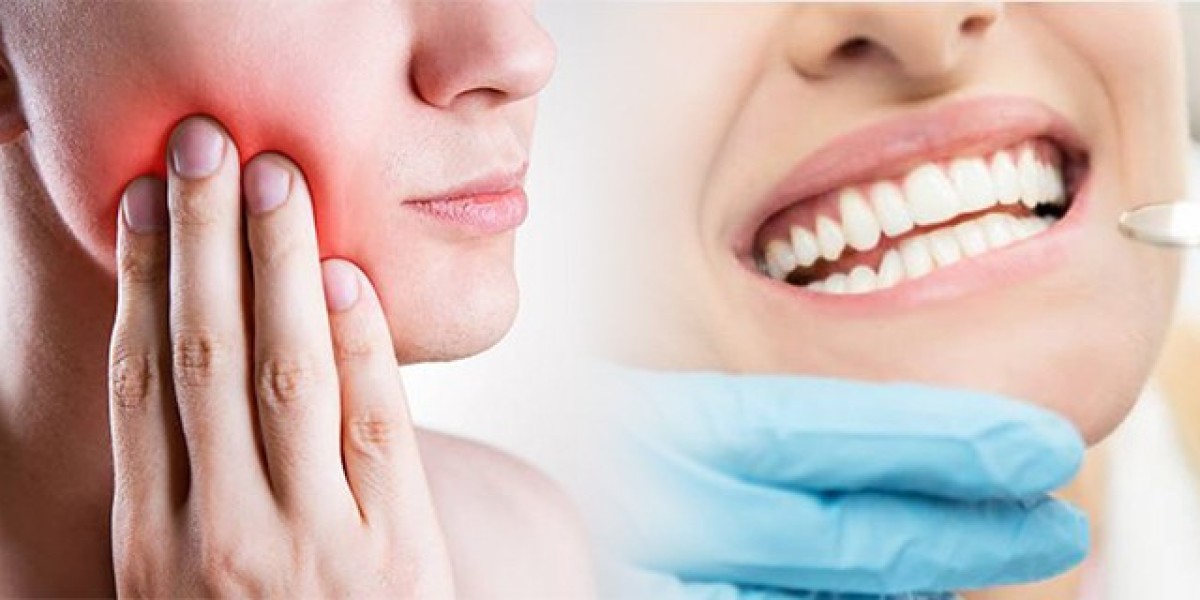

Irreversible Pulpitis is a painful dental condition that occurs when the pulp inside a tooth becomes severely inflamed and infected, often requiring root canal treatment or tooth extraction. Prevention is always better than cure, and with the right knowledge and practices, you can protect your teeth and avoid this painful situation altogether.
In this article, we’ll explore effective dental care tips and strategies to help you prevent irreversible pulpitis, maintain strong oral health, and enjoy a pain-free smile.
What is Irreversible Pulpitis?
Irreversible pulpitis refers to inflammation of the dental pulp—the innermost part of the tooth containing nerves and blood vessels—that cannot heal on its own. This condition usually develops when tooth decay or trauma exposes the pulp to bacteria, causing intense pain and sensitivity.
Unlike reversible pulpitis, which may resolve with proper treatment, irreversible pulpitis demands immediate dental intervention to prevent infection from spreading. Symptoms often include severe toothache, prolonged sensitivity to hot or cold, and pain while chewing.
Understanding this condition is the first step toward prevention.
Common Causes of Irreversible Pulpitis
Several factors can lead to the development of irreversible pulpitis, including:
Untreated tooth decay: When cavities are left untreated, bacteria can reach the pulp.
Deep dental restorations: Large fillings or crowns can sometimes cause pulp irritation.
Trauma or injury: A cracked or fractured tooth exposes the pulp.
Repeated dental procedures: Multiple treatments on the same tooth may increase pulp inflammation.
Recognizing these causes can help you take preventive steps to protect your dental health.
Essential Dental Care Tips to Prevent Irreversible Pulpitis
Incorporating effective dental care tips into your routine is crucial for preventing irreversible pulpitis. Here are some practical strategies:
Maintain consistent oral hygiene: Brush twice daily with fluoride toothpaste and floss to remove plaque.
Avoid excessive sugary foods and drinks: Sugar feeds bacteria that cause decay.
Visit your dentist regularly: Professional cleanings and check-ups help detect problems early.
Address cavities promptly: Early treatment prevents decay from reaching the pulp.
Use protective gear: Wear mouthguards during sports to avoid trauma.
By following these tips, you reduce the risk of pulp inflammation and keep your teeth healthy.
The Role of Regular Dental Check-Ups in Prevention
Regular dental visits play a vital role in preventing irreversible pulpitis. Dentists can spot early signs of tooth decay, cracks, or gum disease before they escalate. Through professional cleanings, your dentist removes plaque and tartar that you might miss during home care.
Moreover, X-rays allow the dentist to detect hidden cavities and pulp problems early. Timely intervention can halt the progression of decay, saving the pulp from irreversible damage.
Scheduling check-ups every six months or as recommended by your dental professional is one of the best ways to avoid irreversible pulpitis.
How Early Treatment Saves Your Tooth
One of the most important aspects of preventing irreversible pulpitis is timely treatment of tooth decay and damage. When you notice sensitivity, pain, or discoloration, visiting a dentist immediately can make all the difference.
Early-stage cavities can be restored with simple fillings, preventing bacteria from reaching the pulp. If decay is caught before it reaches the pulp, you avoid the need for root canal therapy or extraction.
Ignoring tooth pain or delaying treatment increases the risk of pulp infection, which often becomes irreversible.
The Importance of Proper Brushing and Flossing Techniques
While brushing and flossing seem basic, improper techniques can leave plaque behind and contribute to dental problems. To protect yourself from irreversible pulpitis, follow these guidelines:
Use a soft-bristled toothbrush and fluoride toothpaste.
Brush gently in circular motions for at least two minutes.
Don’t forget to clean along the gum line.
Floss daily to remove debris between teeth.
Adopting proper oral hygiene habits ensures that harmful bacteria don’t build up, which is key in preventing pulp inflammation.
Dietary Habits That Support Healthy Teeth
Your diet greatly impacts your dental health and susceptibility to irreversible pulpitis. Limiting sugary and acidic foods reduces the risk of tooth decay. Instead, include:
Calcium-rich foods like dairy for strong enamel.
Crunchy fruits and vegetables that stimulate saliva and clean teeth.
Plenty of water to wash away food particles.
Avoid frequent snacking on sugary treats, as this gives bacteria continuous fuel to produce acids that harm tooth enamel and pulp.
When to Seek Immediate Help for Suspected Pulpitis
Recognizing the warning signs of irreversible pulpitis can save your tooth. Seek urgent dental care if you experience:
Severe and persistent tooth pain.
Sensitivity to hot or cold lasting more than a few seconds.
Pain while chewing or biting.
Swelling around the tooth or gums.
Fever or general feeling of illness.
Delaying care risks the infection spreading to surrounding tissues or bone, complicating treatment.
Conclusion
Preventing irreversible pulpitis hinges on consistent oral care, timely dental visits, and a healthy lifestyle. By applying these proven dental care tips, you can reduce the risk of severe pulp inflammation and enjoy long-lasting dental health.
Remember, a healthy smile starts with prevention. Prioritize your oral hygiene, avoid harmful habits, and don’t hesitate to consult your dentist at the first sign of trouble.