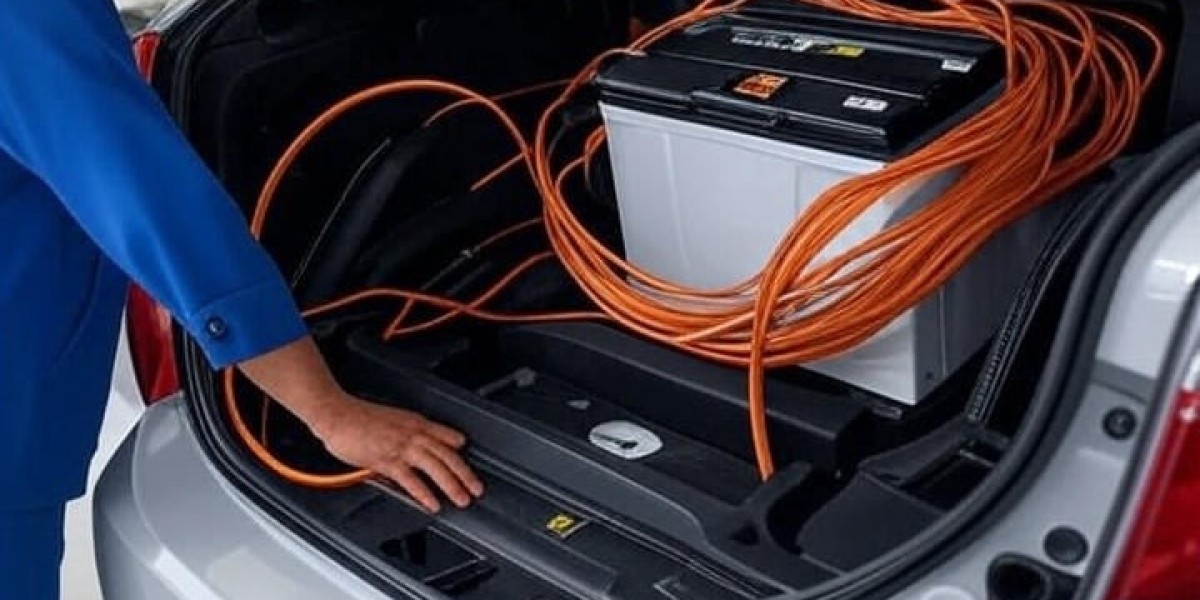

Modern hybrid vehicles fail far less often because of worn hardware and far more often because of misunderstood data. In the Prius platform, the first line of protection is not a fuse or relay—it is intelligence. At the center of that intelligence is the current sensor, quietly protecting the prius hybrid battery from conditions that could damage the inverter, motors, or power electronics. When Prius hybrid battery current sensor accuracy degrades, the hybrid system can shut down abruptly, even when the battery itself is structurally healthy.
This hidden layer of control is rarely explained clearly, yet it determines whether a Prius continues operating smoothly or enters a protective shutdown that confuses owners and technicians alike. At Hybridev Engineering, understanding this logic is considered foundational—not optional.
How Hybridev Engineering Views Hybrid System Protection Logic
Every hybrid control decision begins with current measurement. The hybrid ECU never guesses. It calculates. It compares. It validates. The prius hybrid battery is constantly monitored for how much energy enters and exits the pack during acceleration, cruising, and regenerative braking.
If the current sensor reports values outside safe limits, the ECU reacts instantly. This is not a software flaw. It is deliberate engineering designed to protect high-value components. What many misinterpret as a battery failure is often the system responding to inconsistent current data.
Hybridev Engineering diagnostics consistently show that these events increase as vehicles age—not because the battery suddenly fails, but because sensor calibration slowly drifts beyond acceptable tolerance.
Why Current Sensor Drift Triggers Sudden Shutdowns
Unlike voltage faults, current faults are predictive. They signal risk before physical damage occurs. The prius hybrid battery relies on accurate current data to calculate internal resistance, torque delivery limits, and safe thermal margins.
As current sensors age, heat cycles and vibration alter their baseline readings. The ECU compensates quietly—until it cannot. Once compensation thresholds are exceeded, the system enters a protective shutdown to avoid irreversible damage.
This is why replacing modules or even the entire battery pack often fails to solve the issue. The root cause was never addressed.
Diagnostic Mistakes That Increase Repair Costs
One of the most expensive mistakes in hybrid repair is assuming hardware failure without validating sensor data. The prius hybrid battery is frequently replaced when scan tools show abnormal values, yet those values originate upstream.
At Hybridev Engineering, current sensor verification is mandatory before recommending battery replacement. This disciplined approach reduces unnecessary costs and builds long-term trust with clients who expect engineering—not guesswork.
When diagnostics focus on data integrity first, solutions become clearer, faster, and more reliable.
Cross-Platform Lessons from Advanced Electric Systems
Interestingly, similar challenges exist in high-performance e bike battery systems. These platforms also rely heavily on current sensing to regulate torque, manage thermal limits, and prevent sudden power loss under load.
In both systems, inaccurate current measurement creates instability. In the middle of our comparative studies at Hybridev Engineering, one principle remains consistent: e bike battery power delivery stability depends on precise current interpretation just as much as hybrid vehicles do.
Whether managing kilowatts in a Prius or high-density packs in performance e-mobility, current accuracy defines system confidence.
Why Battery Health Is Often Misjudged
A healthy prius hybrid battery can be misclassified as failing when current data becomes unreliable. This misjudgment leads to repeat failures, customer frustration, and inflated repair costs.
Similarly, engineers working with e bike battery platforms observe that power cutouts often stem from sensor logic rather than actual cell degradation. The pattern is clear across technologies.
Understanding this relationship allows engineers and workshops to intervene earlier, prevent shutdowns, and extend system reliability without unnecessary component replacement.
Preventing Repeat Failures the Smart Way
Preventative diagnostics must evolve beyond surface-level scans. Evaluating current sensor behavior under real-world load conditions provides insight that static tests cannot. This approach protects the prius hybrid battery, the inverter, and the vehicle owner’s investment.
At Hybridev Engineering, our methodology focuses on root-cause validation. This is why our solutions last and why our content resonates with technically informed readers who demand accuracy.
Final Engineering Perspective from Hybridev Engineering
Sudden hybrid shutdowns are not random. They are calculated responses to perceived risk. When current data becomes unreliable, the system does exactly what it was designed to do—protect itself.
The difference between unnecessary replacement and precise repair lies in understanding sensor behavior. That understanding separates true experts from parts installers.
If you want dependable performance from your prius hybrid battery, or stable output from any e bike battery system, precision diagnostics are not optional—they are essential.
For deeper hybrid engineering insights, practical diagnostics, and authoritative guidance, explore Hybridev Engineering.