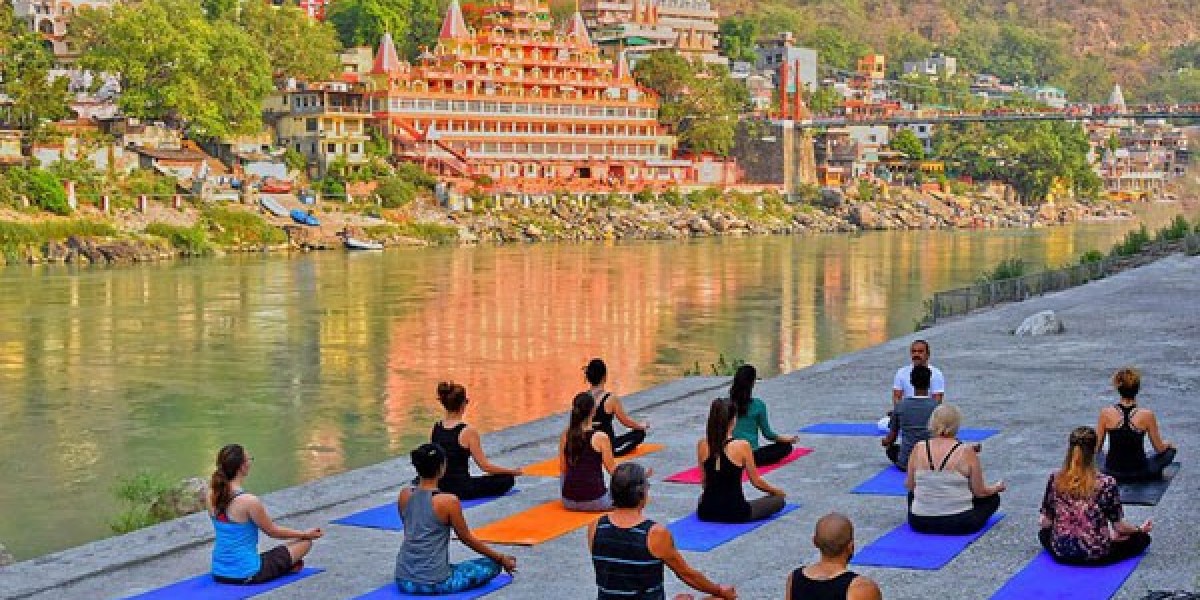

In recent years, yoga has transcended from being a traditional physical practice to a globally recognized lifestyle and healing system. With millions of people across the world embracing its physical, mental, and spiritual benefits, the demand for highly skilled yoga teachers has grown significantly. For those who wish to deepen their personal practice and teach with confidence and clarity, 500 Hour Yoga Teacher Training in India offers a transformative journey—one that goes beyond merely learning advanced asanas.
India, the birthplace of yoga, is revered globally as the most authentic and powerful environment to cultivate yoga wisdom. A 500 Hour training program in India is often seen as the gold standard for aspiring teachers and seasoned practitioners alike. In this article, we explore the essence of 500 Hour Yoga Teacher Training in India, what it entails, and why it remains the ultimate path to mastery for dedicated yogis.
What is a 500 Hour Yoga Teacher Training?
A 500 Hour Yoga Teacher Training (YTT) is an advanced certification program that builds on foundational knowledge from a standard 200 Hour YTT. It is designed for individuals who want to:
Deepen their understanding of yoga philosophy, anatomy, and teaching methodology
Refine their asana and alignment skills
Learn advanced pranayama, meditation, and subtle energy practices
Prepare for professional teaching or deepen personal transformation
While a 200 Hour YTT equips students with the basics of teaching and self-practice, the 500 Hour YTT is about integration, refinement, and expansion. Many schools offer these advanced trainings over a period of 4 to 12 weeks, depending on the curriculum and schedule.
Why Pursue 500 Hour Training in India?
1. Connection to the Roots of Yoga
India is where yoga was first conceived and practiced thousands of years ago. The sacred teachings of the Vedas, Upanishads, Bhagavad Gita, and Yoga Sutras originate here. Training in India allows students to immerse themselves in the birthplace of yoga, surrounded by culture, history, and traditions that continue to nurture the practice’s authenticity.
2. Immersive Learning Environment
Being in India removes many daily distractions and creates a supportive environment for deep inner exploration. Students often stay together, practice at sunrise, engage in Satsangs (group discussions), and live in close connection with nature. This environment strengthens discipline, awareness, and spiritual insight.
3. Experienced Teachers and Lineages
India attracts world-renowned yoga masters who bring decades of experience and spiritual insight. Many teacher training programs are connected to respected yoga lineages—studied and passed down through generations—giving students access to teachings that are both profound and traditional.
4. Cultural and Spiritual Enrichment
Beyond yoga classes, students in India often explore temples, pilgrimage sites, and local spiritual traditions. This cultural exposure deepens one’s understanding of yoga not just as physical postures, but as a living, holistic way of life.
What To Expect in a 500 Hour Yoga Teacher Training
A comprehensive 500 Hour YTT program includes a rich combination of theoretical study, practical training, self-practice, and experiential learning. Below are the core components typically included:
1. Advanced Asana Practice
Students refine alignment, explore advanced variations, and learn how to safely guide students into deeper expressions of asanas. There is a strong emphasis on biomechanics and understanding how to prevent injuries.
2. Teaching Methodology and Sequencing
Participants learn effective communication skills, how to create well-balanced sequences for different populations, and how to tailor classes based on individual needs. Teaching practicums help trainees gain real classroom experience.
3. Anatomy and Physiology
Students study in-depth anatomy related to movement, breath, and posture. This includes muscular and skeletal systems, nervous system function, and how breath and mind influence physical performance.
4. Pranayama and Meditation
The training delves deeper into the science of breath control (pranayama) and meditation techniques designed to stabilize the mind and awaken inner awareness.
5. Philosophy and Ethics
Ancient texts like the Yoga Sutras of Patanjali and the Bhagavad Gita are studied to understand the philosophical roots of yoga. Also covered are ethical standards for teaching, including professional conduct and self-reflection.
6. Subtle Energy Work and Ayurveda
Many programs introduce students to chakra theory, bandhas (energy locks), and Ayurvedic principles—India’s ancient system of healing—which complements yoga practice and lifestyle.
7. Practicum and Assessment
Students are evaluated through teaching demonstrations, written assignments, and reflective journals. These assessments ensure readiness to teach with confidence and integrity.
Benefits of Completing a 500 Hour YTT in India
1. Professional Credibility
Graduates receive an internationally recognized certification accredited by Yoga Alliance or similar governing bodies, enabling them to teach globally.
2. Deeper Personal Transformation
The training challenges students mentally, emotionally, and spiritually. Many find that it expands self-awareness, resilience, and inner peace.
3. Enhanced Teaching Skills
The advanced curriculum empowers teachers to lead classes with clarity, adaptability, and confidence—whether working in studios, retreats, or one-on-one settings.
4. Community and Lifelong Connections
Students join a global network of teachers who provide ongoing support, collaboration, and inspiration long after training ends.
Choosing the Right Program in India
Selecting a 500 Hour YTT program requires thoughtful consideration. Here are key tips:
✔ Research the School’s Lineage and Style
Ensure the program aligns with your personal goals—whether traditional Hatha, Vinyasa, Ashtanga, Iyengar, or therapeutic yoga.
✔ Check Accreditation
Accreditation by Yoga Alliance (or similar) ensures that the curriculum meets international standards.
✔ Teacher Credentials
Learn about the experience and background of the lead trainers. Experienced teachers bring depth and safety to the training.
✔ Accommodation and Location
Some schools are located in serene forest or mountain regions; others may be in bustling towns. Choose what suits your learning style.
✔ Testimonials and Reviews
Speak with alumni or read reviews to understand the training’s quality, structure, and overall experience.
Life After 500 Hour Yoga Teacher Training
A 500 Hour certification opens many doors:
Lead advanced yoga classes and workshops
Teach specialized populations (prenatal, therapeutic, seniors)
Conduct retreats and teacher training programs
Start an online yoga business
Integrate yoga into health and wellness practices