

Unlocking the Secrets of Analog Input Modules: Transform Your Projects Today!
In the ever-evolving world of technology, analog input modules play a pivotal role in bridging the gap between the physical world and digital systems. These modules serve as the foundation for various applications by converting real-world signals into a form that can be interpreted by computers and control systems. Whether it's monitoring temperature, measuring pressure, or controlling lighting systems, the importance of analog input modules cannot be overstated. This article aims to shed light on the workings of these modules, their key functions, and their diverse applications across different industries, empowering you to leverage their capabilities in your projects.
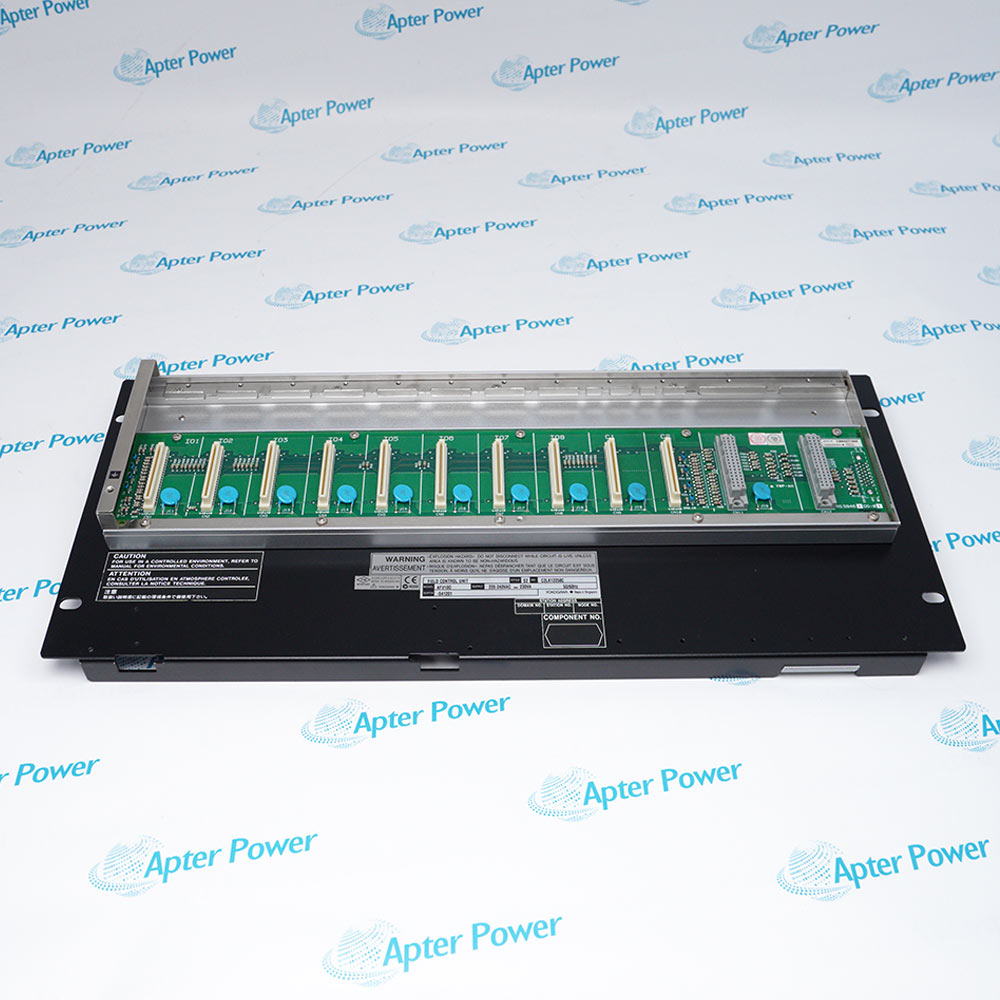
Understanding Analog Input Modules
Analog input modules are essential components in electrical and electronic systems, functioning as intermediaries that facilitate signal processing. At their core, these modules are designed to receive analog signals—continuous signals that represent physical quantities like voltage, current, temperature, and pressure. Unlike digital signals which have discrete values, analog signals can vary infinitely within a range. When an analog signal is fed into the module, it is converted into a digital signal that can be processed by a microcontroller or computer. This conversion process is crucial, as it allows for real-time data analysis and control. My friend, who works in industrial automation, often shares how these modules have transformed the way machines and sensors communicate, enabling more efficient operations and timely responses to environmental changes.
Key Functions of Analog Input Modules
The primary functions of analog input modules revolve around signal conversion and data acquisition. The first critical function is signal conditioning, which enhances the quality of the incoming signal, making it suitable for processing. This may involve filtering out noise or amplifying the signal to ensure accuracy. Once conditioned, the analog input module converts the analog signal to a digital format through an analog-to-digital converter (ADC). This conversion allows microcontrollers or computers to interpret and manipulate the data. Additionally, these modules often enable data acquisition, which is the process of collecting and measuring signals over time. This capability is vital in applications that require continuous monitoring and control, such as in process industries or smart home systems. Understanding these functions is essential to harnessing the full potential of analog input modules in your projects.
Applications of Analog Input Modules
Analog input modules find a multitude of applications across various sectors, showcasing their versatility and importance. In industrial automation, these modules are used for monitoring machine performance and environmental conditions, ensuring optimal operation and safety. For instance, temperature and pressure sensors provide critical data that can prevent equipment failure and improve efficiency. In the realm of environmental monitoring, analog input modules are employed in systems that track air quality, water levels, and weather conditions, contributing to better resource management and sustainability efforts. Moreover, in the domain of home automation, these modules enable smart devices to interact seamlessly, allowing homeowners to manage lighting, heating, and security systems effectively. This broad array of applications highlights how integral analog input modules are to modern technology and innovation.
Choosing the Right Analog Input Module for Your Project
Selecting the appropriate analog input module for your project requires careful consideration of several factors. First and foremost, compatibility with existing systems is crucial; the module must interface seamlessly with your microcontroller or data acquisition system. Next, the range of the module is an important consideration—ensure that it can handle the expected input signals without distortion. Resolution is another critical factor, as it determines how accurately the module can represent the input signal in digital form. Higher resolution modules provide more precise data, which can be essential for applications where accuracy is paramount. Additionally, consider the environmental conditions where the module will operate, such as temperature and humidity, to ensure it meets the necessary durability standards. By taking these factors into account, you can select an analog input module that will enhance your project's functionality and performance.
Empowering Your Projects with Analog Input Modules
In summary, analog input modules are indispensable tools in the realm of technology, enabling the conversion of real-world analog signals into digital data that can be processed and analyzed. Understanding their functions and applications empowers engineers, hobbyists, and innovators to enhance their projects, from industrial automation to home automation solutions. By choosing the right module tailored to your specific needs, you can unlock new possibilities and drive innovation in your work. Embrace the potential of analog input modules today and transform your projects into efficient, responsive systems that can adapt to the complexities of the modern world.