

Unlock the Skies: Discover the Ultimate Beginner-Friendly RC Airplanes!
Radio-controlled (RC) airplanes have soared in popularity among hobbyists and aviation enthusiasts alike. These miniature flying machines offer a unique blend of technology, skill, and excitement, making them an appealing choice for anyone looking to embark on a new hobby. For those just starting, the focus on beginner-friendly options is crucial, as it ensures a smoother entry into the world of RC flying. With various models designed specifically to cater to novices, these airplanes provide ease of use and accessibility, allowing newcomers to enjoy the thrill of flight without the steep learning curve. Imagine the exhilaration of watching your airplane take off, glide gracefully through the air, and land safely—all while gaining valuable skills and confidence in piloting. This article aims to guide you through the best radio-controlled airplanes for beginners, making your journey into the skies both enjoyable and rewarding.
Understanding RC Airplanes
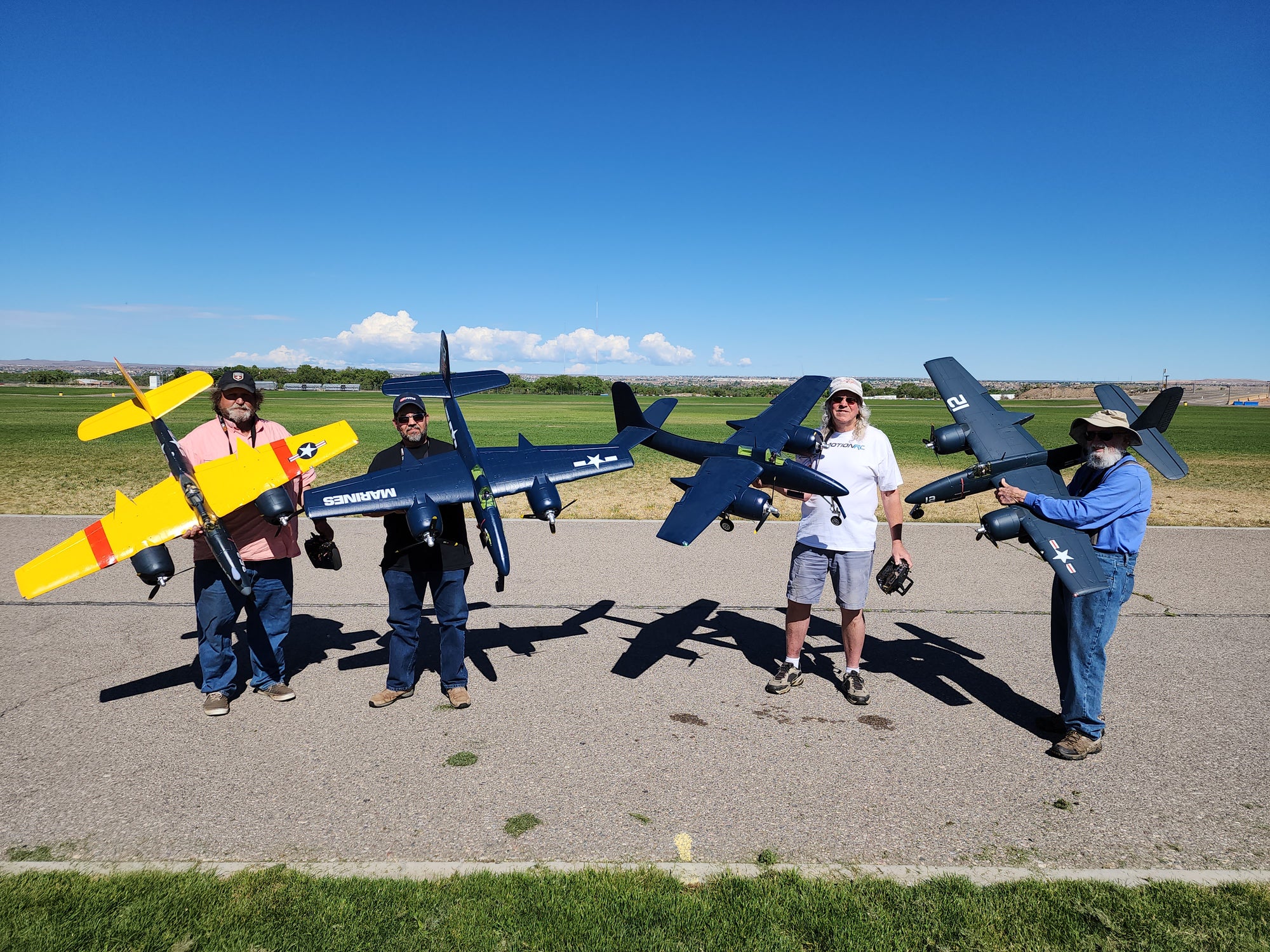
Radio-controlled airplanes are fascinating devices that allow users to fly models remotely using a transmitter. The basic components of an RC airplane include the transmitter, which is the handheld device used to control the aircraft; the receiver, which is installed in the airplane to receive signals from the transmitter; and the aircraft itself, which comprises various parts such as the wings, fuselage, motor, and landing gear. Beginners can choose between electric and gas-powered options, each offering distinct advantages. Electric airplanes are often quieter, easier to maintain, and more straightforward for new pilots to use. Gas-powered models typically provide longer flight times and more power but can be more complex to manage. Understanding these components and types is essential for selecting an airplane that matches your skills and preferences.
Key Features to Look For
When selecting an RC airplane, there are several essential features that beginners should consider. Stability is paramount; an airplane with a stable design will be easier to control, especially in windy conditions. Ease of assembly is another factor to keep in mind; many models come partially assembled, which can save time and frustration. Battery life is crucial for electric airplanes, as longer flight times enhance the overall flying experience. Finally, durability is vital for new pilots, as beginners are more prone to crashes. An airplane constructed with robust materials can withstand the inevitable bumps and scrapes that come with learning to fly. By prioritizing these features, beginners can ensure a more enjoyable and successful entry into the world of RC flying.
Top Recommended RC Airplanes for Beginners
As you embark on your journey into the realm of radio-controlled flying, several airplane types stand out as particularly beginner-friendly. First, consider models that are designed for ease of handling and stability in the air. Many of these airplanes feature a high-wing design, which generally provides better stability and easier control. Look for options that include features like built-in stabilization systems, which can help mitigate the effects of wind and turbulence, making flying less daunting for novices. Additionally, airplanes that come with ready-to-fly (RTF) kits are ideal, as they include everything needed to get started right out of the box. Many beginners find electric RC airplanes appealing due to their simplicity and low maintenance requirements. These models are often lightweight and can be flown in smaller spaces, ideal for those who may not have access to larger flying fields. It's also beneficial to seek airplanes with a good reputation for durability, as this can help prevent costly repairs while you're still learning. Reading reviews and seeking advice from local hobbyists can provide valuable insights into which models consistently perform well for beginners.
Safety Tips for New Pilots
Safety should always be a top priority for beginner pilots. Before flying, perform a thorough pre-flight check to ensure that all components of your airplane are in good condition and functioning correctly. It's advisable to fly in open areas away from people, animals, and obstacles, as this reduces the risk of accidents. Familiarize yourself with local regulations regarding RC flying, as some areas may have specific rules that need to be followed. Joining a local RC flying club can also be beneficial; not only will you meet fellow enthusiasts, but you can also gain valuable tips and insights from more experienced pilots. Remember, the key to enjoying this hobby is to be responsible and respectful of others while having fun in the skies.
Embarking on Your Aerial Journey
In summary, radio-controlled airplanes offer an exciting and accessible hobby for beginners looking to explore the wonders of flight. By understanding the various types of RC airplanes, recognizing key features to look for, and adhering to safety guidelines, novice pilots can embark on their aerial adventures with confidence. The thrill of flying is waiting just around the corner, so take the plunge, explore your options, and prepare for a rewarding journey into the skies!