

Unlocking the Secrets to Perfect Bottle Feeding for Your Newborn!
In today's fast-paced world, bottle feeding has become an essential aspect of caring for newborns. Whether you're a busy parent juggling work and family life or simply prefer the flexibility that bottle feeding offers, understanding the best practices and options available is crucial. This article aims to provide you with valuable insights into bottle feeding, from the basics of when to start to choosing the right bottles and nipple, and tackling common challenges. By the end, you'll be equipped with the knowledge you need to create a comfortable and effective feeding experience for your little one.
Understanding the Basics of Bottle Feeding
Starting your bottle feeding journey can be both exciting and overwhelming. It’s essential to begin when your newborn is ready, often around two to four weeks old, depending on their development and your feeding plan. A comfortable feeding environment is key; find a quiet space where both you and your baby can relax during feeding times. This not only helps in creating a bonding experience but also makes feeding more enjoyable for both parties. Pay attention to your baby's cues—when they show signs of hunger, such as rooting or sucking on their hands, it’s time to feed. Establishing a routine can also help your baby feel secure and understand when it's time to eat.
Choosing the Right Bottle for Your Newborn
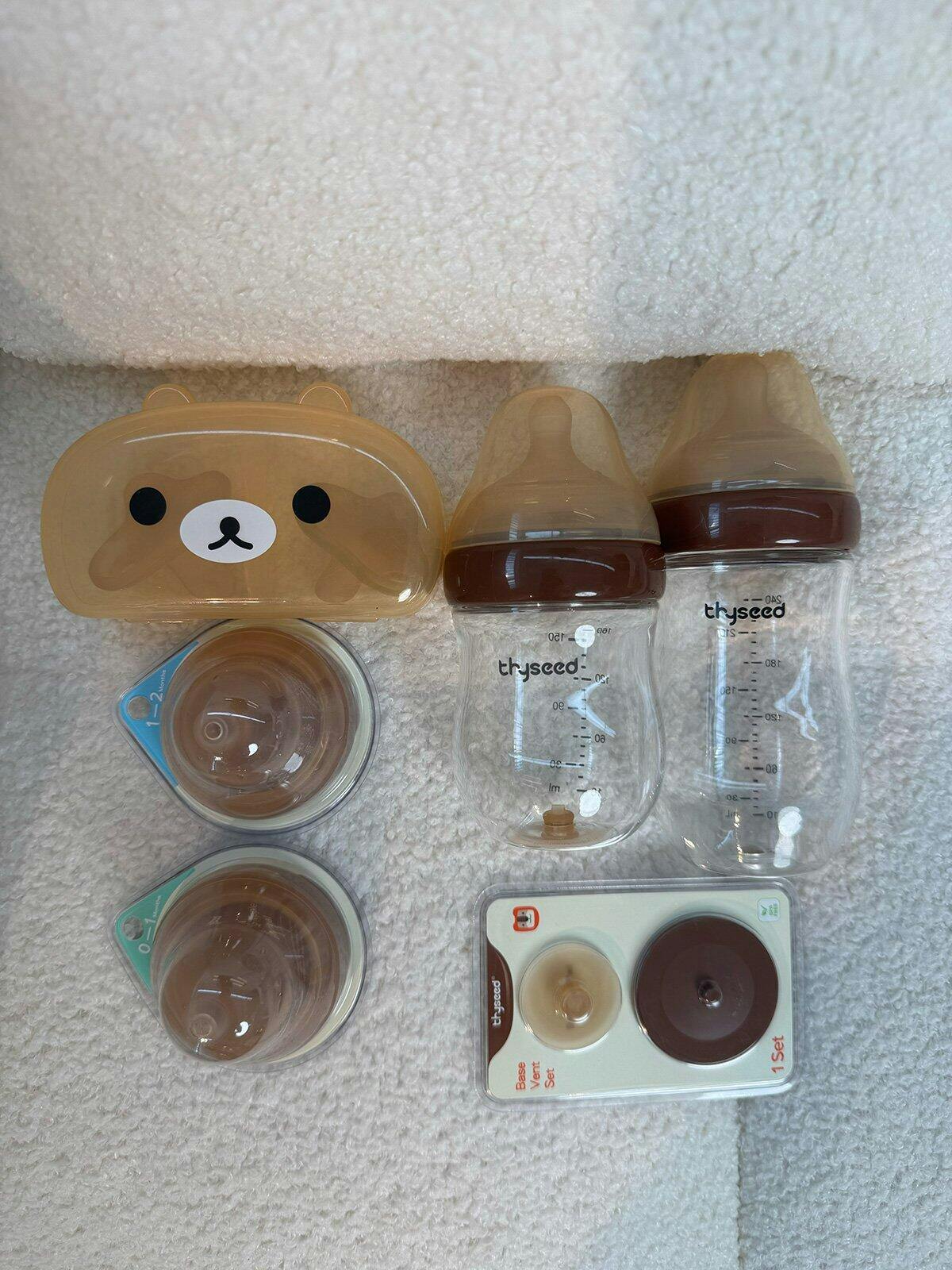
Choosing the right bottle can significantly impact your feeding experience. There are various types of bottles available, each designed to cater to different needs. Consider the size and shape of the bottle; some are designed for easy gripping, while others might be a bit bulkier but offer more volume. Material is another consideration; bottles made from glass, plastic, or silicone each have their pros and cons. For instance, glass bottles are more durable and easier to clean but can be heavier, while silicone bottles are lightweight and flexible. It's important to select a bottle that both you and your baby find comfortable and easy to use. Many parents find success by trying a few different types to see which one their baby prefers.
Understanding Nipple Types and Flows
The nipple is just as important as the bottle itself. Nipples come in various materials, including silicone and latex, and different shapes that can cater to your baby's preferences. Flow rates are crucial, as they determine how quickly the milk flows from the bottle. For newborns, a slow flow nipple is usually recommended to mimic breastfeeding and prevent choking. As your baby grows, you can gradually increase the flow rate to accommodate their feeding needs. It's essential to observe your baby while feeding; if they seem frustrated or are gulping too quickly, it may be time to reassess the nipple type or flow rate. A friend of mine shared how switching to a softer silicone nipple made a world of difference for her daughter, who had been struggling with feedings.
Best Practices for Bottle Feeding
Establishing best practices during feeding can enhance the experience for both you and your newborn. Holding your baby in a semi-upright position can help prevent gas and allow for better digestion. It's also important to pace the feed; allowing your baby to suck and swallow at their own pace mimics breastfeeding and encourages a more natural feeding rhythm. Watch for your baby's hunger cues and let them take breaks if needed. Additionally, maintaining cleanliness is paramount. Always ensure bottles are thoroughly cleaned and sterilized before use to prevent any risk of infection. My friend found that creating a designated "bottle station" where she kept all cleaning supplies and sterilized bottles made her feeding routine much smoother.
Common Challenges and Solutions
While bottle feeding can be convenient, it is not without its challenges. Some parents may encounter issues like gas, colic, or their newborn refusing the bottle altogether. To tackle gas, try to burp your baby frequently during feeding sessions. If colic is a concern, consider using anti-colic bottles designed to reduce air intake. If your baby refuses the bottle, don’t panic; it may take time for them to adjust. Experimenting with different nipples, positions, or even letting someone else offer the bottle can sometimes encourage acceptance. Patience is key, as every baby is different. A close friend experienced bottle refusal for a week before her baby finally took to it. She learned that consistency and trying different approaches were vital during that adjustment period.
Key Takeaways on Bottle Feeding
Understanding the nuances of bottle feeding is essential for a successful feeding experience with your newborn. By familiarizing yourself with the basics, choosing the right bottle and nipple, and implementing best practices, you can create a nurturing and effective feeding environment. Remember, every baby is unique, and it’s important to remain patient and flexible as you navigate this new aspect of parenthood. Embrace the journey, and know that you’re doing a wonderful job as you learn and adapt to your baby’s needs.