

Discover the Secret to Finding the Perfect Baby Bottle for Your Little One!
Choosing the right baby bottle is a crucial decision for new parents, as it directly impacts the feeding experience for both the baby and caregiver. With an increasing awareness of health and safety, many parents find themselves debating between glass bottles and plastic bottles. Each material comes with its unique characteristics and benefits, but the growing concern about bottle materials and their safety implications can make the choice overwhelming. In this article, we will dive deep into the comparison of glass bottles vs plastic bottles to help you make an informed decision for your little one.
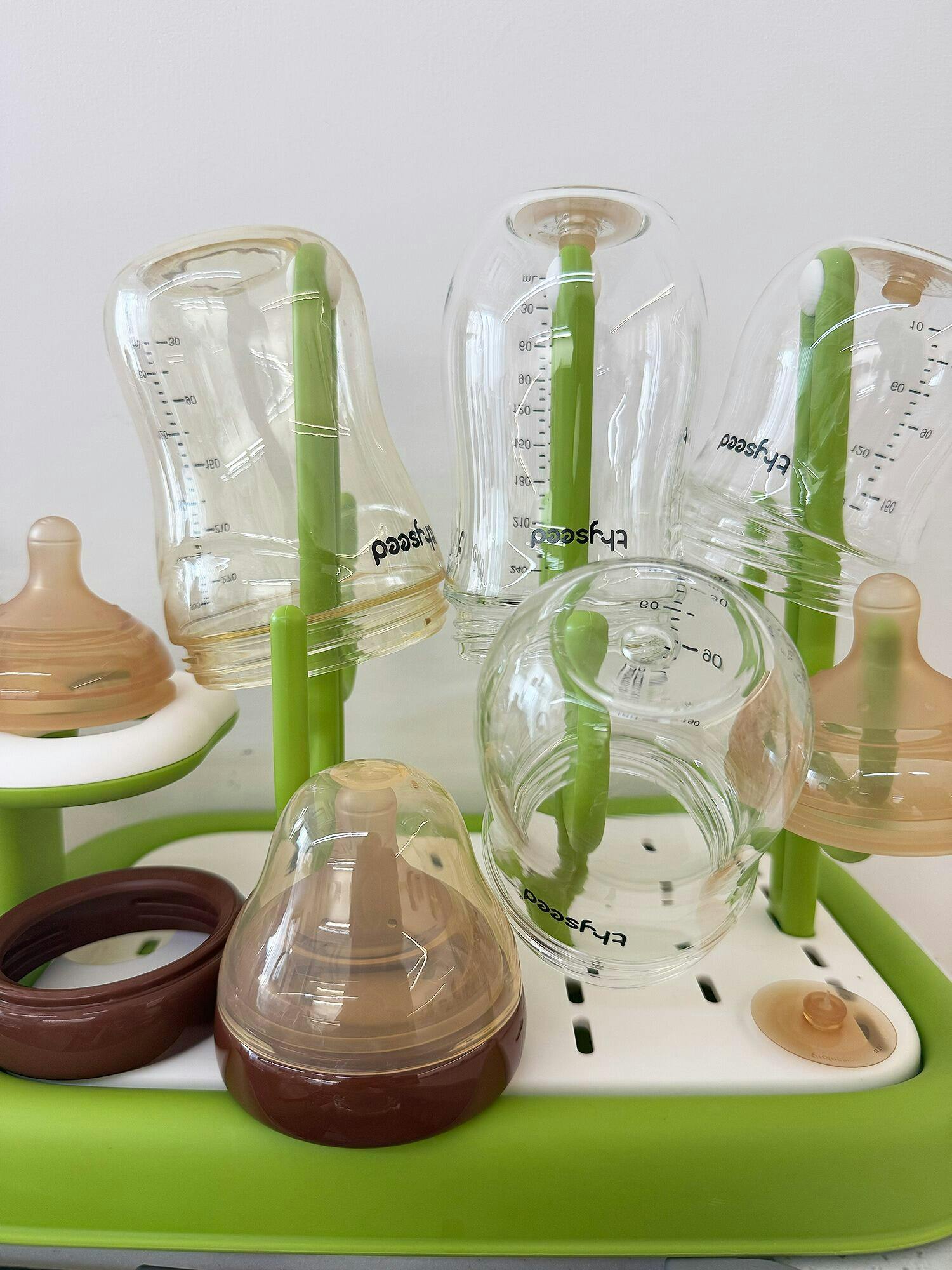
Understanding Baby Bottle Materials
Baby bottles are typically made from two primary materials: glass and plastic. Glass bottles are favored for their durability and ease of cleaning, as they can withstand high temperatures and do not absorb odors or stains. They are often considered a more eco-friendly option since they are recyclable and can last for years when handled with care. On the other hand, plastic bottles are lightweight and convenient, making them a popular choice among parents on the go. They are shatter-resistant and come in a variety of colors and designs. However, some parents worry about potential chemical leaching and the longevity of plastic over time. Understanding these materials is vital in making an informed choice for your baby’s feeding needs.
Glass Bottles: Pros and Cons
Glass bottles have several advantages that make them appealing to many parents. One of the standout benefits is their durability; they are less likely to be damaged during cleaning or storage compared to plastic bottles. Cleaning is also straightforward, as glass can be sanitized effectively without fear of wear and tear. Additionally, glass bottles are free from harmful chemicals such as BPA, which can be a concern with certain plastic products. However, there are drawbacks to consider. Glass bottles tend to be heavier than their plastic counterparts, which can make them less convenient for travel. They are also breakable, posing a risk if dropped or mishandled. Balancing these pros and cons is essential when deciding if glass bottles are suitable for your family.
Plastic Bottles: Pros and Cons
Plastic bottles offer a lightweight and shatter-resistant alternative to glass. Their affordability makes them a practical choice for many families, especially those who may need multiple bottles for daily use. The flexibility of plastic also means that they come in a wide variety of shapes, sizes, and colors, appealing to parents looking for options that fit their style. However, it's important to note that plastic bottles can wear out over time; scratches and discoloration may occur, which could harbor bacteria. Furthermore, concerns about chemical leaching from plastic into the milk or formula have led many parents to seek out BPA-free options. Weighing these advantages and disadvantages can help parents make the best decision for their baby’s feeding experience.
Safety Considerations for Baby Bottles
Safety is a top priority when selecting baby bottles. For both glass and plastic options, parents should look for BPA-free certifications to minimize health risks. Glass bottles are typically favored for their non-reactive nature and ability to withstand high temperatures, making them safe for sterilization. Plastic bottles, while convenient, require careful selection to ensure they are made from safe materials. Additionally, parents should consider the temperature resistance of the bottles; glass can handle hot liquids better, while plastic may warp under high heat. To ensure safe bottle use, it's advisable to regularly inspect bottles for any signs of wear and replace them as needed. Understanding safety considerations helps parents feel confident in their bottle choice.
Making the Right Choice for Your Baby
When it comes to choosing the best bottle for your baby, several factors come into play. Consider your feeding habits and lifestyle; for instance, if you are frequently on the go, lightweight plastic bottles may be more convenient. If you prioritize eco-friendliness and safety, glass bottles might be the better option. It's also important to take your baby's preferences into account, as some babies may latch better to one type of bottle over the other. Many parents find it helpful to test different options to see what works best for their little one. Ultimately, the right choice will depend on your unique circumstances and what you feel comfortable with.
Final Thoughts on Choosing Baby Bottles
In conclusion, both glass and plastic baby bottles have their own set of advantages and disadvantages that parents should consider. Glass bottles provide durability and safety from harmful chemicals, while plastic bottles offer convenience and affordability. By evaluating your personal needs and preferences, you can make an informed decision that prioritizes your baby's well-being. Remember, there is no one-size-fits-all solution; what's most important is finding a bottle that suits your family's lifestyle and your baby's feeding habits.