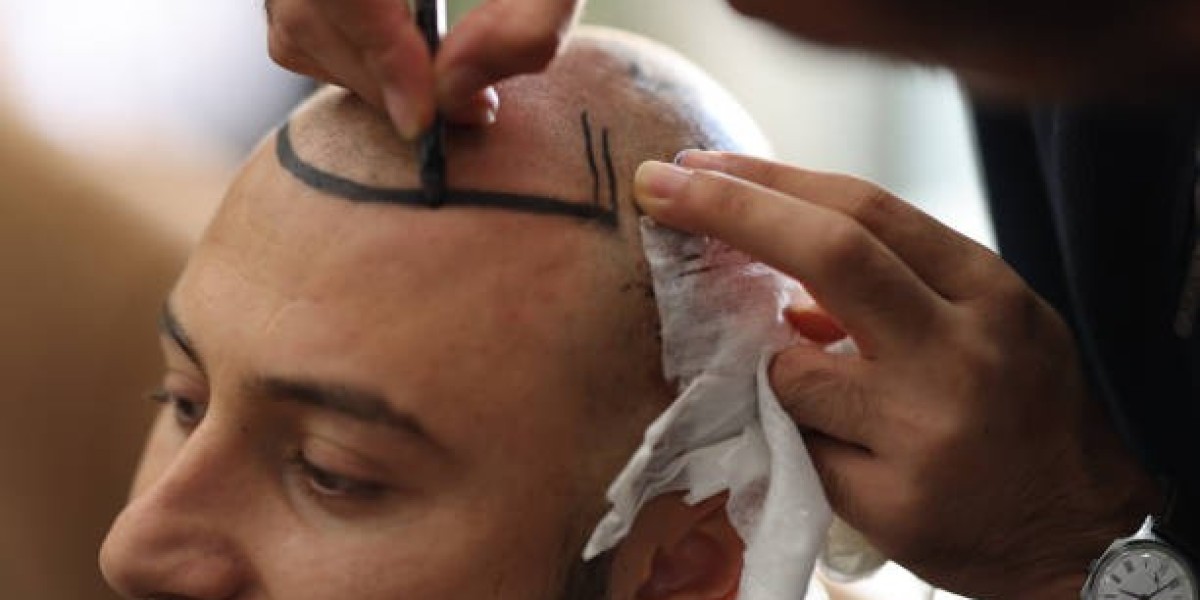

A hair transplant is more than just a procedure—it’s a journey that unfolds over several stages of healing and hair growth. Many patients expect instant results, but the reality is that the body needs time to recover and for new hair to develop naturally. Understanding the healing process and growth cycle helps set realistic expectations and reduces anxiety during the early stages. For individuals considering Hair transplant (زراعة الشعر) in Riyadh, knowing what happens after the procedure can make the journey feel more predictable and reassuring.
Immediate Healing: What Happens Right After the Procedure
Immediately after a hair transplant, the scalp may show redness, swelling, and tiny scabs around the implanted follicles. These symptoms are normal and indicate that the scalp is healing from the micro-incisions made during the procedure. The first 48 hours are critical for avoiding any irritation or disturbance to the grafts. Following the clinic’s aftercare instructions helps ensure the grafts settle properly and reduces the risk of complications.
First Week: Scab Formation and Early Recovery
During the first week, scabs form around the transplanted follicles as the scalp continues to heal. It’s important to avoid picking or scratching the area, as this can dislodge grafts and affect results. Gentle washing and careful handling of the scalp are recommended. Most patients experience mild discomfort, which usually improves with time. This phase is crucial for protecting the newly implanted follicles and ensuring a stable foundation for growth.
Shedding Phase: Why Transplanted Hair Falls Out
Around 2 to 4 weeks after the procedure, many patients notice shedding of transplanted hair. This stage, known as “shock loss,” can be alarming, but it is a normal part of the healing process. Shedding occurs because the hair shafts fall out while the follicles remain intact beneath the scalp. This allows the follicles to enter a new growth cycle and prepares them for stronger hair growth in the following months.
Early Growth Phase: New Hair Begins to Appear
New hair growth usually begins around 3 to 4 months after the transplant. At this stage, hair may appear thin and fine, but it gradually becomes thicker over time. Patients often notice the first signs of new hair in areas that were previously thinning or bald. This early growth phase is encouraging, as it marks the beginning of visible improvement and confirms that the follicles are functioning properly.
Significant Growth Phase: 6 to 9 Months
Between 6 to 9 months, hair growth becomes more noticeable and dense. The transplanted hair continues to thicken and blend with existing hair, creating a more natural and balanced appearance. This stage is often when patients feel the most confident, as the transformation becomes clear and visible. The hair also begins to take on a more natural texture and volume.
Final Growth Stage: 12 Months and Beyond
Full results are typically visible around 12 months after the procedure, with some patients seeing continued improvement up to 18 months. By this time, hair has matured fully and reached optimal thickness. The transplanted hair behaves like natural hair and can be styled normally. For many individuals, Hair transplant in Riyadh offers lasting results that improve confidence and overall appearance over time.
Factors That Influence Healing and Growth
Several factors can affect the healing process and hair growth timeline. These include the quality of the donor hair, the skill of the surgeon, and the patient’s overall health and lifestyle. Proper nutrition, adequate rest, and following post-procedure care instructions also play a significant role. Understanding these factors helps patients stay proactive and support optimal results.
Managing Expectations During the Growth Cycle
Managing expectations is essential throughout the healing and growth cycle. Patients should understand that results develop gradually and that patience is important. Regular follow-up visits and professional guidance help ensure the process stays on track. With realistic expectations, patients can enjoy the transformation as it unfolds naturally over time.
Long-Term Maintenance for Healthy Hair
Once the hair has fully grown, maintaining it is important for long-term success. Regular hair care, gentle styling, and scalp hygiene help preserve density and appearance. Some patients may also benefit from ongoing treatments to support natural hair health. Consistent maintenance ensures that the results remain natural and lasting.
Book Your Hair Transplant Consultation Today
If you want to understand the healing process and growth cycle in detail before undergoing a hair transplant, a professional consultation is the best first step. Expert guidance can help you plan and prepare for each stage of the journey. Book your appointment at Royal Clinic Saudia (عيادات رويال كلينك) today to receive personalized care and begin your hair restoration journey with confidence.