

The Ultimate Guide to Choosing the Perfect Baby Bottle for Your Newborn: What Every Parent Needs to Know!
Choosing the right baby bottle for your newborn is a crucial decision that can significantly impact feeding and bonding experiences. For many parents, this choice goes beyond mere functionality; it’s about ensuring comfort and ease during those precious moments of nurturing. With a plethora of options available—from different shapes to varied materials—navigating the baby bottle market can be overwhelming. This guide aims to simplify that decision-making process, providing insights and information to help you select the perfect bottle for your little one.
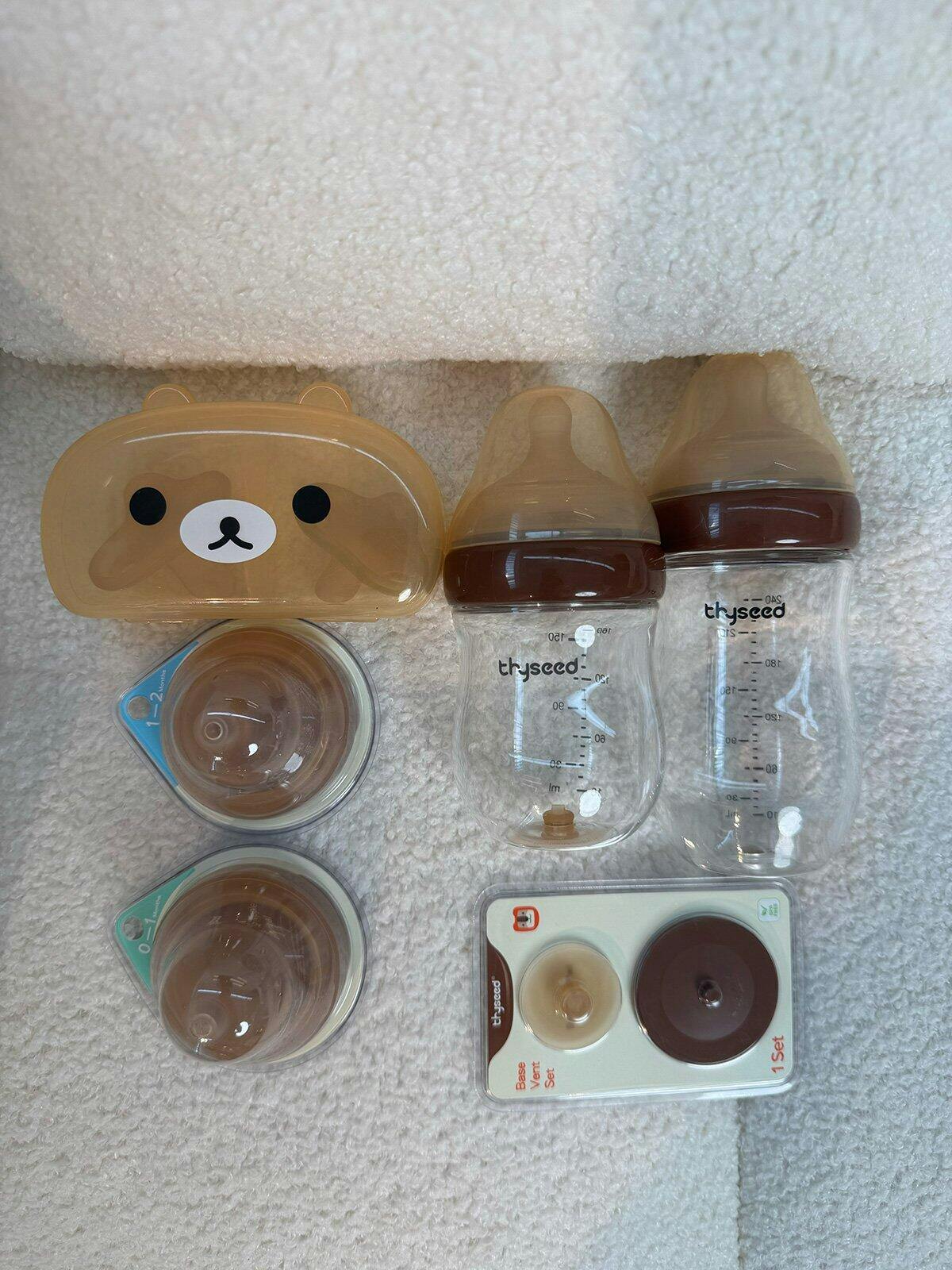
Understanding Newborn Feeding Needs
Newborns have distinct feeding requirements that set them apart from older infants. Their tiny tummies can only hold small amounts of milk, necessitating frequent feedings—typically every two to three hours. This means that the bottle you choose should not only hold an appropriate volume but also allow for a comfortable feeding experience. Proper bottle selection plays a critical role in supporting effective feeding techniques, ensuring that your newborn can latch well and receive the nourishment they need without excess air intake, which can lead to discomfort and fussiness. Additionally, the right bottle can help establish a positive feeding routine, fostering bonding and trust between you and your baby.
Types of Baby Bottles
When it comes to baby bottles, there’s no one-size-fits-all solution. Several types of baby bottles are available, each designed with specific features that cater to newborns’ needs. Understanding these types can help you make an informed choice. Standard bottles are widely used and come in various sizes, while wide-neck bottles offer enhanced stability and easier cleaning. Additionally, anti-colic bottles have gained popularity due to their innovative designs that minimize gas and discomfort during feedings. Each type has its own unique characteristics that can suit different preferences and feeding styles, making it essential to consider what works best for your family.
Standard Bottles
Standard baby bottles are the most common type found in stores. They typically feature a narrow neck and are available in various sizes, usually ranging from 4 to 8 ounces. These bottles are straightforward to use, making them ideal for first-time parents. Their simplicity ensures that you can easily find compatible nipples and accessories. Additionally, standard bottles often come in lightweight designs, which can be a plus when you're handling them during late-night feedings.
Wide-Neck Bottles
Wide-neck bottles are designed with a broader opening, making them easier to clean and fill. This design can also mimic the natural shape of a breast, which is beneficial for breastfeeding mothers transitioning their babies to bottle feeding. Friends who have used wide-neck bottles often share how their babies seemed to take to them quickly, as the wider nipple shape provided a familiar feel. The ease of cleaning is another significant advantage, as the wider neck allows for better access when washing.
Anti-Colic Bottles
Anti-colic bottles are specifically engineered to reduce the air intake during feeding, which can help alleviate gas and discomfort for newborns. These bottles often feature unique venting systems that allow air to flow back into the bottle instead of into the baby's stomach. Many parents appreciate this design, as it can lead to a more comfortable feeding experience for their little ones. Some friends have noted that using anti-colic bottles significantly reduced their baby’s fussiness after feeding, making them a worthwhile investment.
Materials Used in Baby Bottles
Baby bottles are typically made from three primary materials: plastic, glass, and silicone. Each material has its own benefits and drawbacks. Plastic bottles are lightweight and shatterproof, making them a popular choice for on-the-go parents. However, some concerns about chemical leaching have led many to explore alternatives. Glass bottles, on the other hand, are considered safer for long-term use, as they are free from harmful chemicals and can be sterilized easily. They are, however, heavier and more prone to breakage. Silicone bottles are a newer option, known for being soft and flexible. They are less likely to break and can be squeezed to help control the flow of milk, which some parents find beneficial. Ultimately, the choice of material will depend on your lifestyle and preferences.
Choosing the Right Nipple
The nipple is a vital component of any baby bottle, and selecting the right one for your newborn is essential. Nipples come in various shapes and flow rates, which can impact how your baby feeds. For instance, some nipples are designed to mimic the breast, while others may have a more traditional shape. Flow rates are also crucial; newborns generally require slower flows to prevent choking and ensure they can manage their feeding pace. Observing your baby’s feeding habits and preferences can guide your choice, allowing you to find a nipple that promotes a comfortable and effective feeding experience.
Additional Features to Consider
When selecting a baby bottle, there are additional features you may want to consider. Compatibility with breast pumps can be a significant factor for breastfeeding mothers who want to express milk. Some bottles offer this convenience, allowing for seamless transitions between feeding methods. Dishwasher safety is another essential consideration, as busy parents appreciate bottles that can be easily cleaned without extra hassle. Lastly, ergonomic designs that make handling easier for both parent and baby can enhance the overall feeding experience, making it more enjoyable for everyone involved.
Final Thoughts on Choosing the Right Baby Bottle
Choosing the right baby bottle for your newborn is a decision that can enhance the feeding experience for both baby and parent. By understanding the unique feeding needs of your little one, exploring the various types of bottles available, and considering the materials, nipples, and additional features, you can make an informed choice that suits your family’s lifestyle. Remember, every baby is different, and what works for one may not work for another. Take the time to assess your individual needs and preferences, and know that finding the perfect bottle can significantly improve your feeding journey together.