

Unlocking the Secrets of IGBT Inverters: Discover Their Power and Potential!
In the realm of modern electronics, IGBT inverters stand out as a remarkable technology that plays a vital role across various industries. These devices utilize Insulated Gate Bipolar Transistors (IGBTs) to convert direct current (DC) into alternating current (AC), making them essential for applications ranging from renewable energy systems to electric vehicles. This article aims to delve deeper into the functionality and diverse applications of IGBT inverters, shedding light on their significance and impact on our technological landscape. By understanding how IGBT inverters work and their advantages, one can appreciate the critical role they play in enabling efficient energy conversion and management in today’s world.
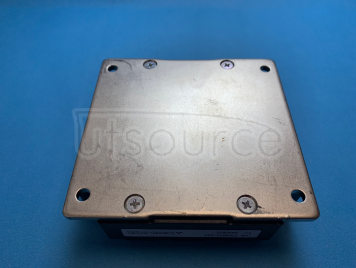
Understanding IGBT Technology
At the heart of IGBT inverters lies the Insulated Gate Bipolar Transistor, a semiconductor device that combines the best characteristics of two other types of transistors: the Metal-Oxide-Semiconductor Field-Effect Transistor (MOSFET) and the bipolar junction transistor (BJT). The IGBT features a gate structure similar to that of a MOSFET, allowing for easy voltage control, while it also incorporates the current-handling capabilities of a BJT. This unique combination enables IGBTs to manage high voltages and currents efficiently. The operation of an IGBT is relatively straightforward; when a voltage is applied to the gate, it allows current to flow between the collector and emitter, effectively turning the device on. This process can be compared to flipping a switch, making IGBTs highly effective for applications requiring rapid switching and high power. Unlike traditional transistors, IGBTs can handle larger loads without the need for complex drivers, which simplifies circuit design and enhances overall performance.
Functionality of IGBT Inverters
IGBT inverters function primarily by converting DC power into AC power, a process that is essential for many applications, including grid-tied solar systems and electric motors. The conversion begins with the input of DC voltage from a source, such as a solar panel or a battery. The inverter uses IGBTs to switch the DC input on and off at a high frequency, generating a series of voltage pulses. These pulses are then modulated using techniques such as Pulse Width Modulation (PWM), which adjusts the width of the pulses to create a smooth AC waveform that mimics the desired output frequency and voltage. This modulation technique is crucial for ensuring that the AC output is suitable for devices connected to the grid or for driving electric motors. Moreover, IGBTs enhance the efficiency of the inverter by minimizing energy losses during the switching process, allowing more of the input energy to be converted into usable output. My friend who works in renewable energy recently shared that the efficiency gains achieved through IGBT technology have significantly improved the performance of their solar inverter systems, leading to higher energy yields and reduced operational costs.
Applications of IGBT Inverters
The versatility of IGBT inverters makes them indispensable across a variety of industries. One of the most notable applications is in renewable energy systems, particularly in solar power generation. IGBT inverters are used to convert the DC electricity produced by solar panels into AC electricity that can be fed into the power grid or used to power homes and businesses. Similarly, in the realm of electric vehicles (EVs), IGBT inverters play a critical role in powering electric motors by converting the battery's DC output into AC, enabling smooth acceleration and efficient energy use. Additionally, IGBT technology finds its applications in industrial automation, where they are employed to control motors and other equipment with high precision. This capability not only enhances operational efficiency but also helps in reducing energy consumption. A friend who works in the automotive industry mentioned that the shift towards electric vehicles has significantly increased the demand for IGBT inverters, as manufacturers seek reliable solutions to meet performance and efficiency standards.
Advantages of Using IGBT Inverters
The adoption of IGBT technology brings with it numerous advantages that set it apart from traditional inverter technologies. One of the key benefits is the high efficiency achieved during power conversion, which translates into lower energy losses and reduced operational costs. Additionally, IGBT inverters exhibit excellent thermal performance, allowing them to operate effectively even under high load conditions without overheating. This reliability is crucial in applications where downtime can lead to significant financial losses. Furthermore, the robustness of IGBTs contributes to their longevity and durability, making them a preferred choice in demanding environments. Overall, the combination of efficiency, thermal management, and reliability positions IGBT inverters as a leading technology in the field of power electronics.
Summary of IGBT Inverter Importance
In summary, IGBT inverters represent a cornerstone of modern power electronics, facilitating the conversion of DC to AC with remarkable efficiency and reliability. Their unique technology and versatility allow them to be employed in various applications, from renewable energy systems to electric vehicles and industrial automation. As industries continue to evolve and the demand for efficient energy solutions grows, IGBT technology is poised for further advancements and innovations. The future of IGBT inverters looks promising, with potential developments that could enhance their performance and expand their applications even more. By unlocking the secrets of IGBT inverters, we can better understand their power and potential, paving the way for a more energy-efficient and sustainable future.