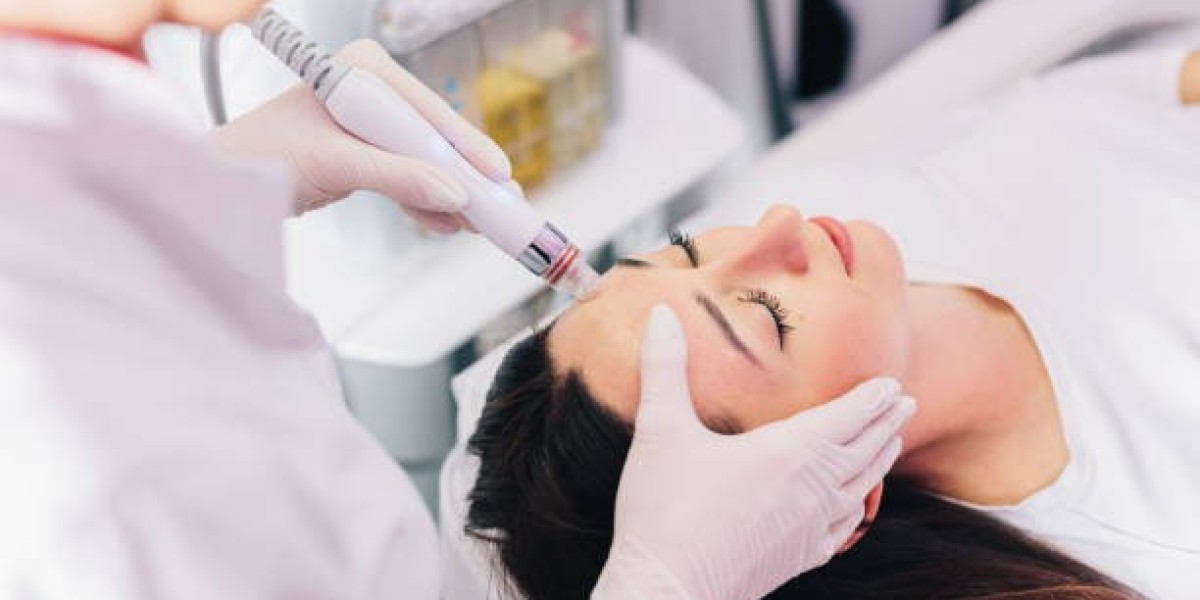

After a hydra facial riyadh, your skin is hydrated, smooth, and more receptive to skincare products—but it is also more sensitive to environmental stressors like UV rays. Applying the right sunscreen is a crucial step in maintaining your results, preventing pigmentation, and protecting your skin from premature aging.
Why Sunscreen is Essential After HydraFacial
HydraFacial deeply cleanses, exfoliates, and infuses nourishing serums into the skin. This makes the skin barrier temporarily more sensitive to sunlight. Daily sun protection prevents:
Hyperpigmentation and dark spots
Premature fine lines and wrinkles
Dryness and irritation
Dullness and uneven skin tone
Using an appropriate sunscreen ensures that the hydration and radiance from HydraFacial are preserved longer.
Key Benefits of Using Sunscreen After HydraFacial
Protects Treated Skin: Shields newly exposed skin from UV damage
Maintains Hydration: Prevents dryness and moisture loss
Enhances Radiance: Keeps skin looking smooth and glowing
Prevents Premature Aging: Protects against fine lines, wrinkles, and sunspots
Supports Long-Term Skin Health: Works with HydraFacial to maintain youthful, even skin
Recommended Sunscreen Types After HydraFacial
Broad-Spectrum SPF 30 or Higher
Choose a sunscreen that protects against both UVA and UVB rays. Broad-spectrum protection prevents sunburn, pigmentation, and damage to collagen.
Mineral or Physical Sunscreens
Formulations with zinc oxide or titanium dioxide are gentle on sensitive, freshly treated skin and provide immediate protection without irritation.
Hydrating Formulas
Look for sunscreens with added hydration, such as hyaluronic acid, glycerin, or ceramides. These ingredients complement HydraFacial’s moisture infusion and keep skin plump.
Lightweight, Non-Comedogenic Options
For oily or acne-prone skin, select sunscreens that are oil-free and non-comedogenic to prevent clogged pores and breakouts.
How to Apply Sunscreen After HydraFacial
Apply generously to the face, neck, and any exposed areas
Reapply every 2–3 hours if outdoors or after sweating
Use a gentle touch to avoid disturbing freshly treated skin
Combine with daily moisturizer if needed for extra hydration
Who Benefits Most From Sunscreen After HydraFacial
Individuals with fair or sensitive skin prone to sunburn
People concerned with pigmentation, freckles, or uneven tone
Those with dry, oily, or combination skin seeking hydration and protection
Anyone wanting to maintain the immediate and long-term benefits of HydraFacial
Post-Treatment Tips
Avoid direct sun exposure for at least 24 hours after HydraFacial
Continue your skincare routine with gentle cleansers and hydrating serums
Schedule regular HydraFacial sessions to maintain glow and skin health
Book Your HydraFacial with Professional Guidance
Protect and maintain your radiant skin with the HydraFacial in Riyadh. Book your session at Royal Clinic Saudia for professional treatment and expert advice on sunscreen and post-care to maximize results and keep your skin healthy and glowing.
FAQs:
Can I use regular sunscreen after HydraFacial?
Yes, but it should be broad-spectrum, SPF 30+, gentle, and hydrating for sensitive skin.
When should I apply sunscreen after HydraFacial?
Immediately after the treatment and every 2–3 hours if outdoors.
Are mineral sunscreens better than chemical ones?
Yes, mineral sunscreens are gentler and less likely to irritate freshly treated skin.
Can sunscreen help maintain HydraFacial results?
Absolutely. Sunscreen protects skin from UV damage, helping retain hydration, radiance, and smoothness longer.