
Long voyages place unique demands on vessels, crews, and operating budgets. When ships remain at sea for extended periods, even minor inefficiencies in fuel usage can escalate into major cost overruns. Unlike short trips, where deviations may be quickly corrected, long-distance voyages amplify the impact of poor visibility and inaccurate estimates. This is why accurate consumption tracking has become a critical requirement for modern maritime operations, helping operators maintain control, predict costs, and ensure operational reliability throughout the journey.
The Compounding Effect of Fuel Inefficiency on Long Voyages
Fuel inefficiency rarely appears as a single, dramatic spike. Instead, it accumulates gradually through small daily losses caused by suboptimal speeds, engine inefficiencies, weather conditions, or operational habits. On long voyages, these incremental losses compound over days or weeks, resulting in significant excess fuel consumption. Without precise tracking, operators may not realize the scale of the problem until the voyage ends, when corrective action is no longer possible. Accurate consumption tracking brings these inefficiencies to light while there is still time to act.
Why Estimates and Manual Logs Are No Longer Enough
Many vessels still rely on manual logs or estimated consumption figures to monitor fuel usage. While these methods provide a rough overview, they lack the precision and timeliness required for long voyages. Manual entries are prone to human error and often fail to reflect real-time operational changes. Estimates based on averages cannot account for varying sea states, engine loads, or operational adjustments made during the voyage. As voyage durations increase, the limitations of these traditional methods become more pronounced, creating uncertainty and financial risk.
Real-Time Visibility Across Extended Operations
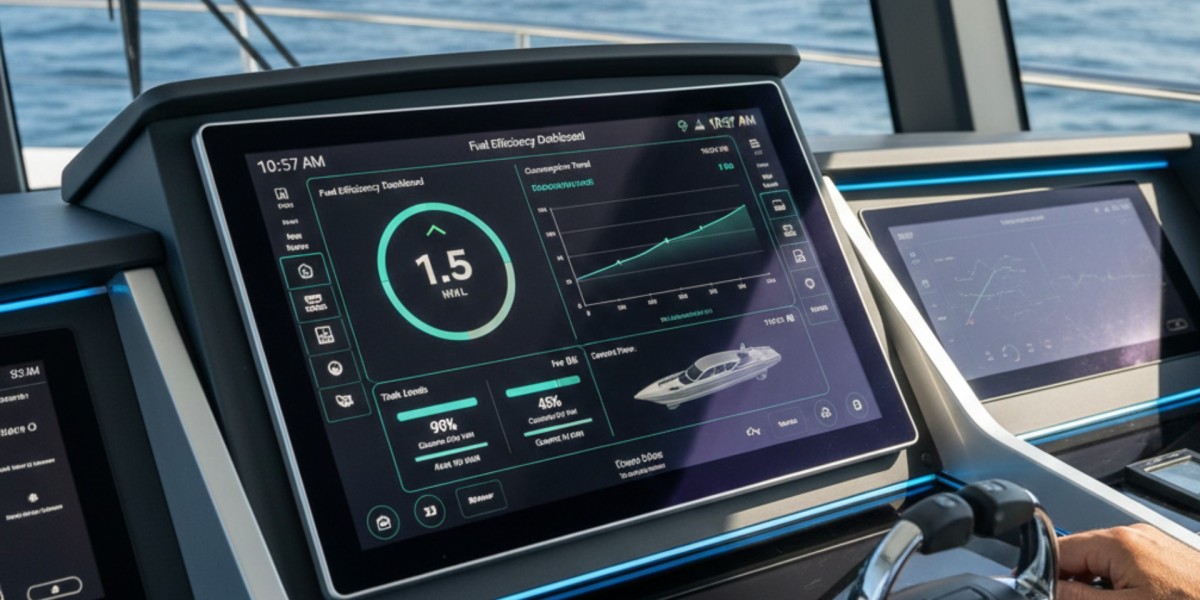
Accurate consumption tracking provides continuous visibility into fuel usage throughout the voyage. Instead of waiting for end-of-leg summaries, operators can monitor consumption trends as they develop. This real-time insight allows crews and shore teams to identify abnormal usage early, investigate root causes, and implement corrective measures. Continuous visibility is especially valuable on long voyages where conditions change frequently and rapid response is essential to maintain efficiency.
Managing Fuel Reserves and Voyage Planning
Fuel planning is critical for long-distance travel, where refueling opportunities may be limited or expensive. Accurate consumption tracking enables better forecasting of remaining fuel and helps operators manage reserves with confidence. Knowing exactly how much fuel is being consumed under current conditions allows crews to adjust speed or operations to ensure sufficient reserves are maintained. This reduces the risk of emergency refueling, unplanned deviations, or costly delays that can disrupt schedules and increase expenses.
Understanding the Impact of Speed and Load Over Time
Speed and load decisions have a powerful influence on fuel consumption, particularly over long durations. Slight increases in speed can lead to disproportionately higher fuel burn, which may not be immediately obvious without detailed tracking. Accurate consumption data reveals how speed, cargo load, and sea conditions interact over time. This understanding allows operators to identify optimal operating ranges that balance transit time with fuel efficiency, delivering measurable savings over the course of a long voyage.
Early Detection of Engine and System Inefficiencies
Long voyages place sustained stress on engines and auxiliary systems. Small mechanical issues, such as improper combustion or component wear, can gradually increase fuel consumption if left unaddressed. Accurate tracking highlights deviations from expected consumption patterns, signaling potential performance issues early. Early detection allows maintenance interventions to be planned before inefficiencies worsen, reducing both fuel waste and the risk of in-voyage failures that could jeopardize safety and schedules.
Improving Crew Accountability and Operating Discipline
Crew practices play a significant role in fuel efficiency, especially during extended operations. Inconsistent throttle use, unnecessary idling, or deviation from operating guidelines can all increase consumption over time. Accurate tracking provides objective data that reflects how the vessel is operated day after day. This transparency supports consistent operating discipline, targeted training, and better alignment between crews and management on efficiency goals. Over long voyages, disciplined operations translate directly into reduced fuel costs.
Supporting Accurate Cost Forecasting and Reporting
For vessel operators and charterers, cost predictability is essential. Long voyages involve complex budgeting that depends heavily on fuel consumption assumptions. Accurate tracking improves the reliability of cost forecasts by replacing estimates with real data. This accuracy strengthens financial reporting, reduces disputes, and supports more transparent relationships with stakeholders. When fuel usage is clearly documented and understood, financial planning becomes more precise and defensible.
The Role of Integrated Consumption Tracking Technologies
Modern tracking technologies integrate data from fuel flow meters, engine systems, and onboard sensors to provide a comprehensive view of consumption. A robust marine fuel management system brings these data streams together, enabling consistent monitoring and analysis across long voyages. This integration ensures that consumption data is accurate, reliable, and accessible to both onboard crews and shore-based teams, supporting coordinated decision-making throughout the journey.
Environmental and Regulatory Considerations
Long voyages contribute significantly to a vessel’s overall environmental footprint. Excess fuel consumption increases emissions and can affect compliance with international regulations. Accurate tracking helps operators identify opportunities to reduce emissions by optimizing fuel usage and operating practices. Documented consumption data also supports regulatory reporting and demonstrates a commitment to responsible and efficient operations, which is increasingly important in today’s regulatory environment.
Conclusion: Accuracy as a Strategic Advantage on Long Voyages
Long voyages magnify both efficiency gains and inefficiencies, making accurate consumption tracking a strategic necessity rather than a nice-to-have feature. Continuous, precise visibility into fuel usage enables better decision-making, improved cost control, and enhanced operational reliability throughout extended journeys. By replacing estimates with real data, vessel operators can manage fuel proactively, reduce risk, and improve overall performance. In the demanding context of long-distance maritime operations, accurate consumption tracking is the foundation for efficiency, predictability, and long-term success.