
Discover the Ultimate Baby Bottle Showdown: Glass vs. Plastic – Which One Reigns Supreme?
Choosing the right baby bottle is a crucial decision for parents, as it directly impacts the feeding experience and the baby’s health. Among the myriad of options available, the debate between glass and plastic baby bottles often arises. Each material comes with its own set of advantages and disadvantages, which can make the decision a bit overwhelming for new parents. This article aims to delve into the pros and cons of both glass and plastic baby bottles, helping parents make an informed choice that best suits their lifestyle and their baby’s needs. Whether you’re a first-time parent or looking to switch your baby’s bottle, understanding these materials will guide you in selecting the most suitable option for your little one.
Understanding Baby Bottle Materials
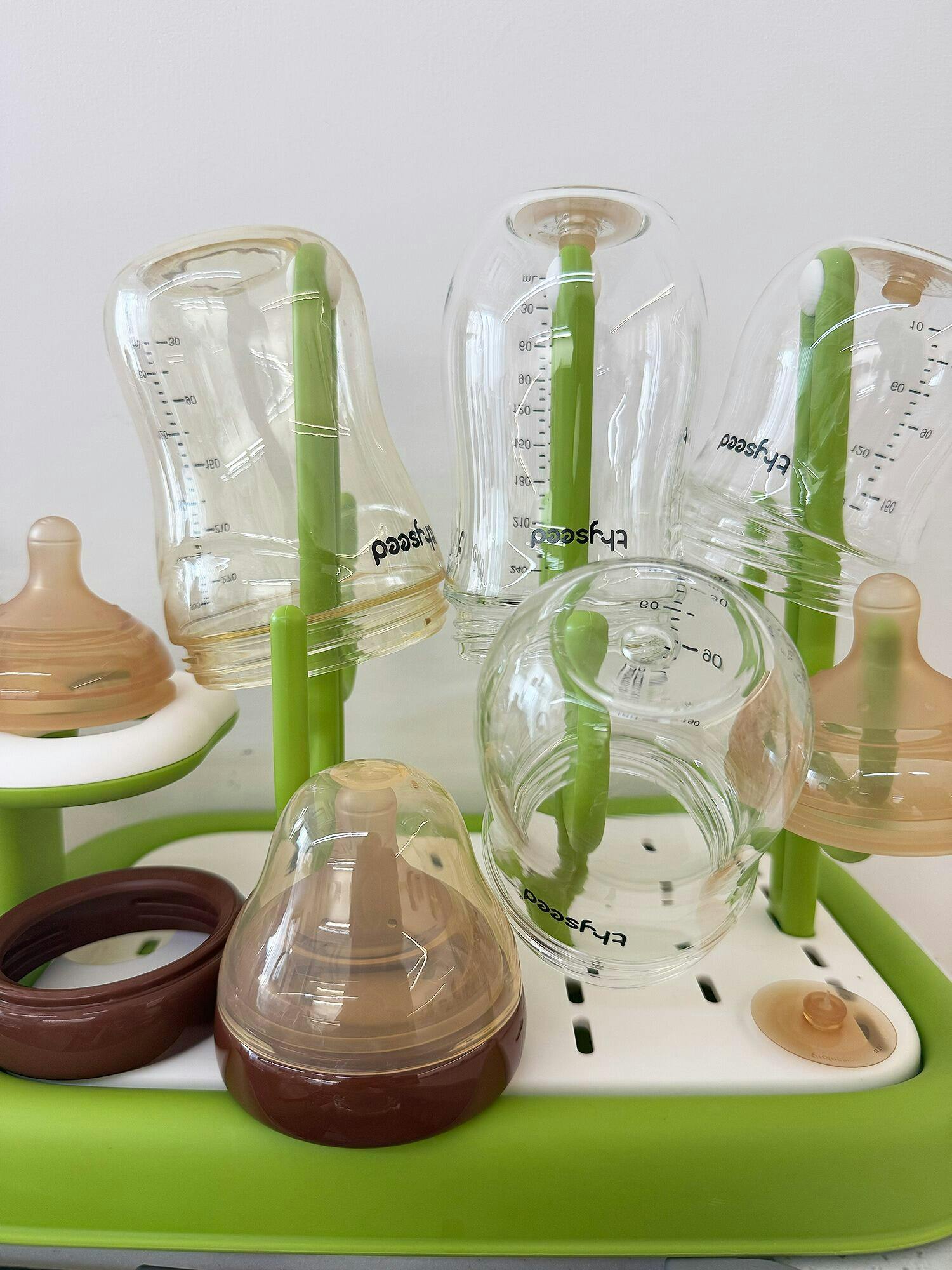
Baby bottles are primarily made from two materials: glass and plastic. Glass bottles have been around for decades and are often considered the traditional choice. Made from silica, soda, and limestone, glass has been used in various products due to its non-reactive properties. On the other hand, plastic bottles, made from materials like polypropylene or polyethylene, have become increasingly popular due to their lightweight nature and versatility. Both materials have their unique characteristics, making them suitable for different parenting styles and preferences. As parents look for the best feeding solutions, understanding the origins and advantages of these materials is essential in making a well-informed choice.
Pros and Cons of Glass Baby Bottles
Glass baby bottles have gained a loyal following for several reasons. For starters, they are incredibly durable and long-lasting; many parents find that they can use them for multiple children without any issues. Glass bottles are also free from harmful chemicals, making them a safe choice for feeding babies. Their non-porous surface means they do not absorb odors or stains, and they can be easily sterilized, ensuring a hygienic feeding experience. However, there are some drawbacks to consider. Glass bottles tend to be heavier than their plastic counterparts, which might be a concern for parents on the go. Additionally, while glass is durable, it can break if dropped, posing a safety risk. Parents should weigh these pros and cons carefully when considering glass options for their babies.
Pros and Cons of Plastic Baby Bottles
Plastic baby bottles are often favored for their lightweight design, making them easy to handle, especially for tiny hands. They are typically more affordable than glass bottles, which can be a crucial factor for budget-conscious parents. Moreover, plastic bottles come in various shapes and sizes, allowing for greater versatility in feeding styles. However, there are some concerns associated with plastic, particularly regarding chemical leaching. Some plastics may contain substances like BPA, which have been linked to health issues. While many manufacturers now offer BPA-free options, it's essential for parents to read labels carefully. Additionally, plastic bottles are not as environmentally friendly as glass, as they can contribute to plastic waste if not recycled properly. Parents should consider these factors when deciding on plastic bottles for their babies.
Health and Safety Considerations
When it comes to health and safety, both glass and plastic baby bottles have their merits. For glass bottles, the primary concern is breakage, which can be avoided with careful handling. Glass is inherently safe, as it does not leach chemicals into milk or formula. Parents should ensure that the glass used is of high quality and designed specifically for baby use. On the other hand, parents choosing plastic bottles should prioritize BPA-free options to minimize health risks associated with harmful chemicals. It is also advisable to replace plastic bottles regularly, as wear and tear can lead to micro-scratches where bacteria can thrive. Regardless of the material chosen, proper cleaning and sterilization are critical to maintaining a safe feeding environment.
Environmental Impact of Glass vs. Plastic
The environmental implications of using glass versus plastic baby bottles are significant considerations for eco-conscious parents. Glass bottles are recyclable and can be reused multiple times without degrading their quality. This can lead to less waste in landfills and a lower ecological footprint. However, the production of glass does require more energy compared to plastic. Plastic bottles, while lightweight and convenient, often contribute to environmental pollution if not disposed of responsibly. Many plastic bottles are single-use and can take hundreds of years to decompose. Parents who are concerned about their environmental impact should consider the recyclability and long-term use of the bottles they choose, aiming for sustainable options.
Choosing the Right Bottle for Your Baby
Ultimately, the decision between glass and plastic bottles comes down to individual preferences and lifestyle considerations. Parents should assess their feeding habits, how often they travel, and their baby’s specific needs when selecting a bottle. For instance, if you often find yourself on the go, lightweight plastic bottles may be more practical. However, for parents seeking a chemical-free and environmentally friendly option, glass bottles could be the way to go. Additionally, some parents opt for a mix of both types, using glass bottles at home and plastic ones for outings. No matter the choice, ensuring that the bottle aligns with your family’s values and lifestyle will lead to a more satisfying feeding experience.
Key Takeaways on Baby Bottles
In conclusion, the comparison of glass bottles versus plastic bottles reveals a range of benefits and drawbacks for both materials. Glass bottles offer durability and safety but can be heavy and breakable, while plastic bottles provide convenience and affordability but raise health and environmental concerns. Parents should carefully consider their individual circumstances, including their baby’s needs and their personal values, before making a decision. By weighing the pros and cons discussed in this article, parents can choose the best feeding solution that not only meets their baby’s requirements but also aligns with their lifestyle choices. Remember, the ultimate goal is to ensure a safe, comfortable, and enjoyable feeding experience for both you and your baby.