

Unlock the Future: Discover the Magic of Touch Screen Calendars!
In an age where technology integrates seamlessly into our daily lives, touch screen calendars have emerged as a revolutionary tool for personal and professional organization. These innovative devices not only simplify scheduling but also enhance the way we interact with our time management. With their sleek designs and user-friendly interfaces, touch screen calendars are rapidly gaining popularity among individuals and businesses alike. This article aims to delve into the technology behind these remarkable devices, exploring their features, benefits, and the potential future trends that could further transform how we manage our time.
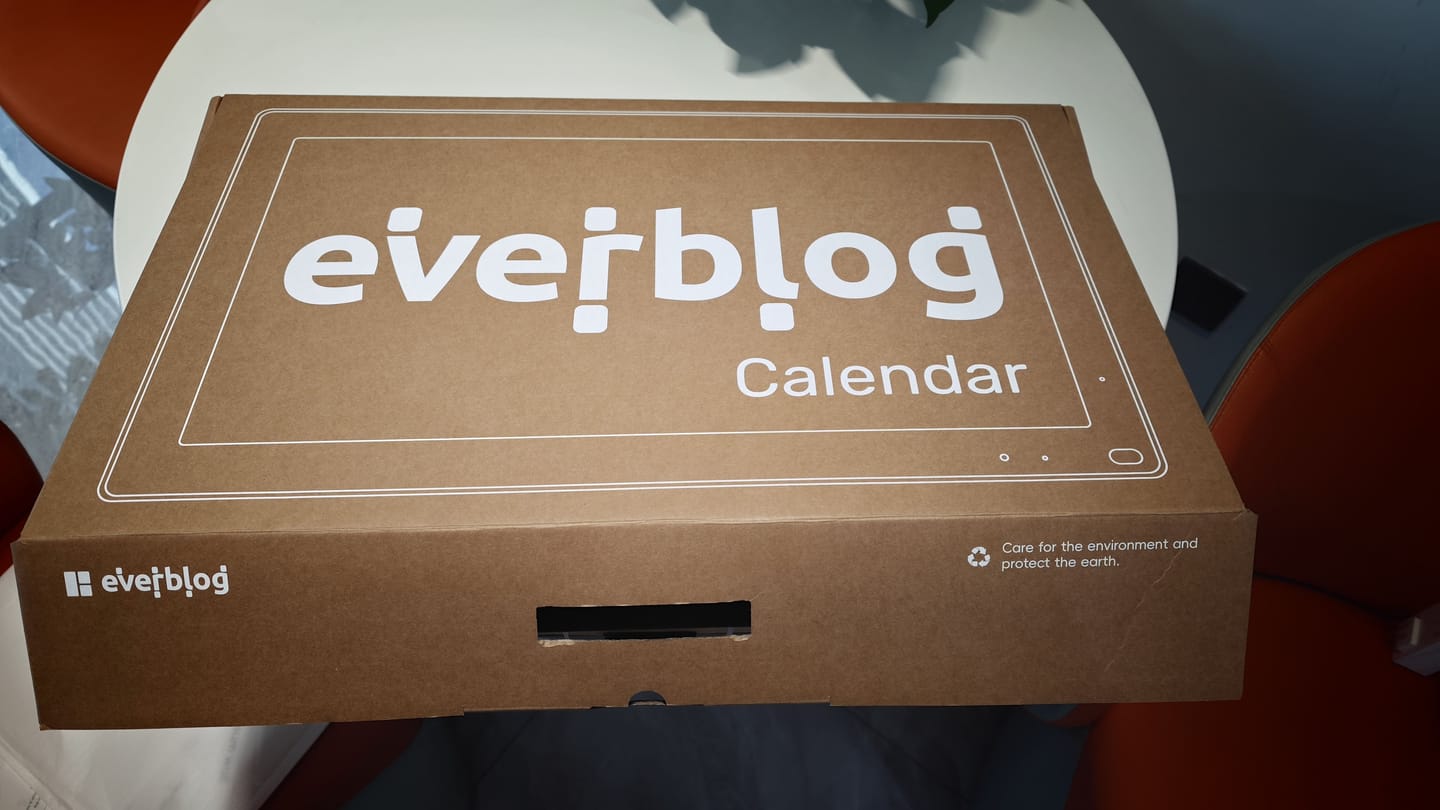
Understanding Touch Screen Technology
Touch screen technology is at the heart of the functionality of touch screen calendars. It works by detecting the presence and location of a touch within the display area, allowing users to interact directly with what is displayed. There are two main types of touch screens: capacitive and resistive. Capacitive touch screens use the electrical properties of the human body to detect touch, making them highly responsive and suitable for intricate gestures. On the other hand, resistive touch screens respond to pressure, making them more versatile in different environments but less sensitive to multi-touch gestures. The implementation of this technology in calendars enhances user experience by allowing for smooth navigation, quick updates, and interactive features, making scheduling a breeze.
Key Features of Touch Screen Calendars
Touch screen calendars come loaded with features that make them not just convenient but also highly efficient. One of the standout features is multi-user access, allowing families and teams to collaborate and share schedules effortlessly. Customization options are also a significant draw; users can personalize their calendars with unique themes, colors, and layouts that suit their preferences or organizational needs. Furthermore, integration with other digital tools, such as email and task management apps, makes it easier to sync appointments and reminders. These features collectively improve productivity by streamlining time management and enhancing collaboration—something that traditional paper calendars simply cannot achieve.
Benefits of Using Touch Screen Calendars
The transition from traditional calendars to touch screen versions brings a plethora of benefits. Primarily, the ease of use is a game-changer; users can quickly tap to add events or swipe to navigate through months, which is far more efficient than flipping through pages. Accessibility is another advantage; with real-time updates, any changes made can be instantly reflected across all devices linked to the calendar. This feature is particularly beneficial in professional settings where team schedules need to be coordinated. Additionally, touch screen calendars can foster better workflow and collaboration by providing a centralized platform for planning, ensuring everyone stays on the same page without the hassle of miscommunication or lost notes.
Future Trends in Calendar Technology
Looking ahead, the future of touch screen calendar technology appears bright, with several advancements on the horizon. One significant trend is the integration of artificial intelligence, which could empower calendars to learn user preferences and suggest optimal scheduling times based on past behavior. Voice command functionality is another exciting development; imagine simply speaking your schedule into existence without lifting a finger! Enhanced connectivity options, such as integration with smart home devices or wearable technology, could further streamline how individuals manage their time. These trends not only promise to improve user experience but also hold the potential to revolutionize the very concept of time management.
Enhancing Organizational Efficiency with Touch Screen Calendars
In summary, touch screen calendars represent a significant leap forward in the realm of organizational technology. With their advanced features, user-friendly interfaces, and numerous benefits over traditional calendars, they are quickly becoming invaluable tools for personal and professional use. As we look to the future, the potential for further enhancements in this technology is exciting, promising even more ways to optimize our time management. Embracing this innovative technology could greatly benefit your daily life, making scheduling easier, more efficient, and far more enjoyable.