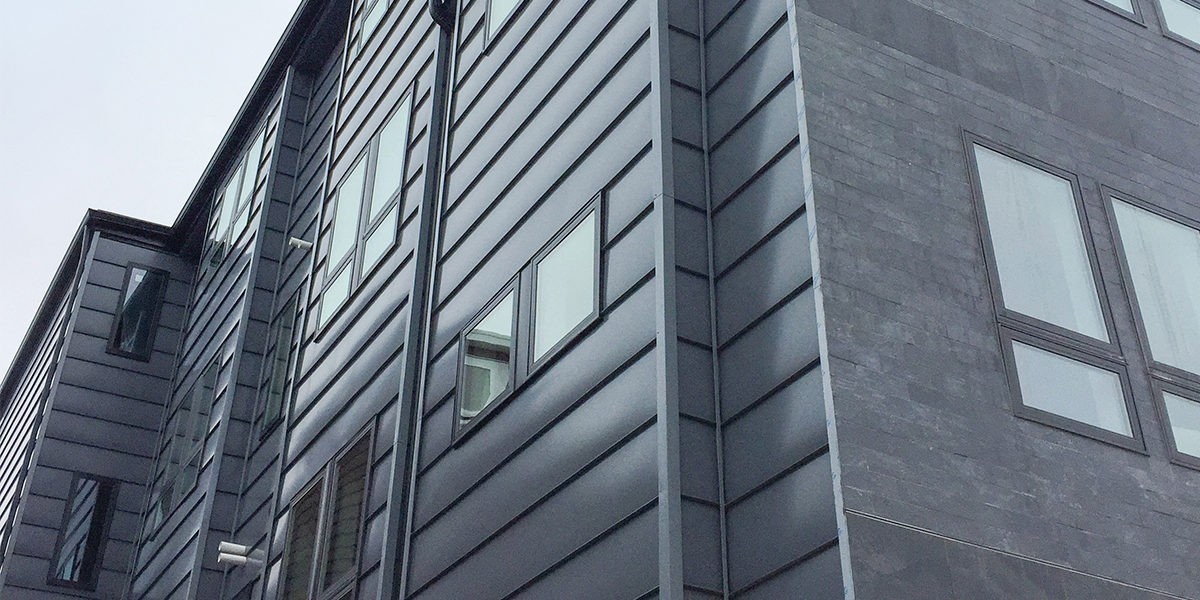

In modern architecture and interior design, walls are no longer just functional barriers—they are an opportunity to make a bold statement. Metal wall panels have emerged as a versatile and stylish solution, offering durability, aesthetic appeal, and functional benefits for both residential and commercial spaces. Whether you are renovating your home, upgrading a commercial building, or designing a new structure, metal wall panels can transform ordinary walls into modern, eye-catching surfaces.
What Are Metal Wall Panels?
Metal wall panels are large sheets of metal designed to cover walls, creating a sleek, uniform surface. They are typically made from materials such as steel, aluminum, copper, or zinc, and may feature finishes like powder coating, anodizing, or galvanizing to enhance durability and aesthetic appeal. Unlike traditional drywall or wood panels, metal panels combine strength, longevity, and style, making them a popular choice in contemporary construction.
Advantages of Metal Wall Panels
1. Durability and Longevity
One of the main benefits of metal wall panels is their exceptional durability. Resistant to dents, scratches, and warping, they outperform traditional materials in high-traffic or industrial areas. Metal panels are also resistant to moisture, pests, and fire, which adds to their longevity and reduces maintenance costs over time.
2. Modern and Stylish Appearance
Metal wall panels instantly give a space a modern, sophisticated look. They can be smooth and minimalist or feature textures, patterns, and perforations to add depth and visual interest. Available in a wide range of colors and finishes, metal panels can complement virtually any design style—from industrial and contemporary to rustic and eclectic.
3. Versatility
Metal wall panels are highly versatile. They can be used for:
· Interior walls: Enhance living rooms, kitchens, offices, or commercial spaces.
· Exterior cladding: Protect against weather while adding curb appeal.
· Accent walls: Create a striking focal point in a room or lobby.
Additionally, panels can be customized in size, shape, and finish, allowing designers and homeowners to achieve unique looks that align with their vision.
4. Low Maintenance
Unlike wood or drywall, metal wall panels require minimal maintenance. They do not need regular painting, staining, or sealing, and their smooth surfaces are easy to clean with simple soap and water. This makes them an excellent choice for areas prone to dirt, moisture, or heavy use, such as kitchens, bathrooms, or commercial settings.
5. Environmental Benefits
Many metal wall panels are made from recycled materials and are fully recyclable at the end of their lifespan. Choosing metal panels can contribute to sustainable building practices while reducing your environmental footprint. Their longevity also reduces the need for replacements, which minimizes waste over time.
Types of Metal Wall Panels
The variety of metal wall panels allows for both functional and aesthetic customization. Some common types include:
· Flat Panels: Smooth and minimal, ideal for modern interiors and clean designs.
· Corrugated Panels: Feature a wavy or ridged pattern for added texture and industrial appeal.
· Perforated Panels: Include decorative holes or patterns for ventilation, acoustic benefits, or visual interest.
· Textured Panels: Mimic other materials like wood or stone while maintaining the strength of metal.
Selecting the right type of panel depends on your design goals, the environment, and the function of the space.
Installation Considerations
Proper installation is critical to maximize the performance and lifespan of metal wall panels. Panels must be correctly aligned, fastened, and sealed to prevent moisture infiltration and ensure structural integrity. While some panels are designed for DIY installation, many homeowners and businesses benefit from hiring professional installers who are experienced with metal construction techniques.
Tips for Successful Installation:
1. Prepare the surface: Ensure walls are clean, dry, and structurally sound.
2. Measure accurately: Precision is crucial for seamless panel alignment.
3. Use appropriate fasteners: Select screws or clips designed for metal panels to prevent damage and ensure stability.
4. Seal edges: Use caulk or gaskets to prevent moisture and improve insulation.
By following these steps, you can achieve a polished, professional look that lasts for years.
Common Myths About Metal Wall Panels
Despite their benefits, several myths about metal wall panels persist:
· Metal walls are cold and industrial. – Modern finishes, colors, and textures can create warm, inviting spaces.
· Metal panels are noisy. – Proper insulation and backing materials eliminate sound concerns.
· They’re only for commercial buildings. – Metal panels are increasingly popular in homes, restaurants, offices, and decorative interiors.
Understanding the facts allows homeowners and designers to make informed decisions without unnecessary hesitation.
Design Ideas Using Metal Wall Panels
Metal wall panels can be incorporated creatively in almost any space. Here are a few ideas:
· Accent Walls: Create a feature wall in living rooms, lobbies, or conference rooms.
· Kitchen Backsplashes: Stainless steel panels offer a sleek, hygienic alternative to tile.
· Outdoor Facades: Add modern elegance to building exteriors while protecting against the weather.
· Ceiling Panels: Extend the metallic look to ceilings for a cohesive, contemporary design.
By mixing textures, colors, and finishes, metal wall panels can elevate ordinary spaces into design statements.
Conclusion
Metal wall panels are a perfect combination of style, durability, and functionality. Their versatility, minimal maintenance, and long lifespan make them an excellent choice for homeowners, designers, and businesses seeking modern and lasting solutions. From sleek, contemporary interiors to protective exterior cladding, metal wall panels transform spaces while offering practical benefits that few materials can match.