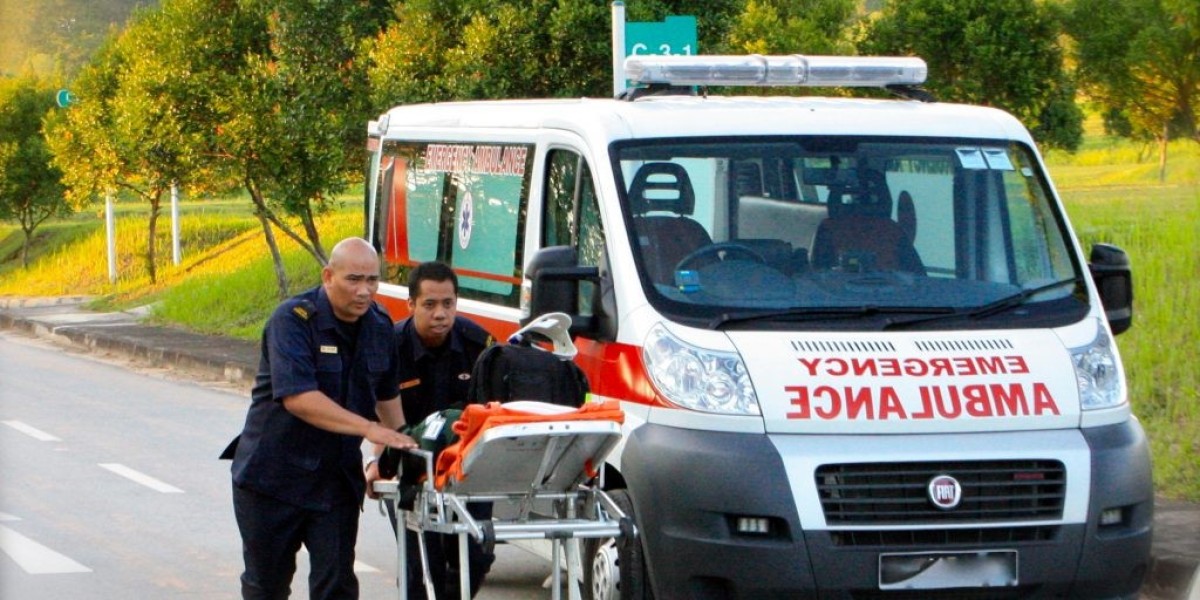

In today’s fast-paced world, medical emergencies can happen anytime and anywhere. Road accidents, heart attacks, strokes, workplace injuries, natural disasters, and sudden illnesses demand immediate medical attention. In such situations, emergency medical services (EMS) play a life-saving role by delivering rapid, professional, and organized care. These services act as the backbone of modern healthcare systems, ensuring that patients receive timely treatment when every second matters.
This article explores the importance, structure, challenges, and future of emergency medical services, with a special focus on the growing demand for a reliable emergency ambulance service in urban and rural areas alike.
Understanding Emergency Medical Services
Emergency medical services refer to a coordinated system that provides urgent medical care, stabilization, and transportation for individuals experiencing medical emergencies. EMS is not limited to ambulances alone; it includes trained paramedics, emergency medical technicians (EMTs), dispatch centers, hospitals, and communication networks.
The primary goal of emergency medical services is simple yet critical: to preserve life, prevent further injury, and promote recovery. EMS professionals are often the first healthcare providers to reach patients in crisis, making their role extremely vital.
The Importance of Emergency Ambulance Service
An emergency ambulance service is one of the most visible and essential components of emergency medical services. Ambulances are equipped with advanced life-support equipment, medications, oxygen systems, defibrillators, and monitoring devices that allow paramedics to begin treatment immediately.
In many life-threatening situations such as cardiac arrest, severe trauma, or respiratory failure, the emergency ambulance service becomes the difference between life and death. Quick response times, skilled medical staff, and efficient transportation significantly increase survival rates and reduce complications.
Key Functions of Emergency Medical Services
Emergency medical services perform several crucial functions that go beyond patient transportation:
1. Rapid Response
EMS teams are trained to respond quickly to emergency calls. Time is critical, especially in conditions like strokes or heart attacks, where delays can lead to permanent damage or death.
2. On-Site Medical Care
Before reaching a hospital, EMS professionals provide essential medical interventions such as CPR, bleeding control, airway management, and pain relief.
3. Safe Transportation
An emergency ambulance service ensures safe and controlled transport of patients to the nearest appropriate medical facility.
4. Communication and Coordination
EMS teams communicate with hospitals in real time, preparing emergency departments to receive patients and continue treatment without delay.
Types of Emergency Ambulance Services
Not all ambulance services are the same. Modern emergency medical services include various types of ambulances designed for different medical needs:
Basic Life Support (BLS)
BLS ambulances handle non-critical emergencies and provide basic medical care, such as wound management and oxygen therapy.
Advanced Life Support (ALS)
ALS ambulances are equipped with advanced equipment and staffed by paramedics capable of performing complex medical procedures.
Air Ambulance Services
In remote or severe cases, air ambulances transport patients quickly over long distances, especially when road access is limited.
Each type of emergency ambulance service plays a vital role in ensuring comprehensive emergency coverage.
Role of Technology in Emergency Medical Services
Technology has transformed emergency medical services significantly. GPS tracking, digital dispatch systems, and mobile health monitoring have improved response times and efficiency.
Modern ambulances now use:
Real-time location tracking
Electronic patient care reports
Telemedicine support
Automated dispatch systems
These innovations enhance the quality of emergency ambulance service, ensuring faster decisions and better patient outcomes.
Challenges Faced by Emergency Medical Services
Despite their importance, emergency medical services face several challenges:
1. Increasing Demand
Population growth, aging societies, and urbanization have increased the number of emergency calls, putting pressure on EMS systems.
2. Traffic Congestion
In busy cities, ambulances often struggle to reach patients quickly due to traffic delays.
3. Limited Resources
In many regions, especially rural areas, there is a shortage of ambulances, trained personnel, and medical equipment.
4. Public Awareness
Many people misuse emergency services for non-urgent situations, which can delay care for genuine emergencies.
Addressing these challenges is essential to strengthen emergency medical services and improve overall healthcare delivery.
Importance of Training and Professionalism
The effectiveness of emergency medical services depends heavily on the skills and dedication of EMS professionals. Paramedics and EMTs undergo extensive training in emergency care, trauma management, and patient communication.
Professionalism, empathy, and decision-making under pressure are key qualities required in this field. A well-trained EMS team ensures that the emergency ambulance service operates efficiently and safely.
Emergency Medical Services and Public Safety
Emergency medical services are closely linked to public safety and disaster management. During natural disasters, pandemics, or large-scale accidents, EMS teams work alongside fire departments and law enforcement agencies.
Their coordinated efforts help:
Manage mass casualties
Provide rapid evacuation
Deliver critical care in crisis situations
This makes emergency medical services an essential part of national and community emergency preparedness.
The Future of Emergency Medical Services
The future of emergency medical services looks promising with continued advancements in technology and healthcare systems. Artificial intelligence, predictive analytics, and smart ambulance systems are expected to further improve response times and patient care.
Additionally, increased investment in EMS infrastructure and public education will enhance the efficiency of emergency ambulance service networks worldwide.
Why Emergency Medical Services Matter to Everyone
No one plans for an emergency, but everyone relies on emergency medical services at some point in life. Whether it’s a sudden illness, accident, or disaster, having access to a reliable emergency ambulance service provides peace of mind and security.
Strong EMS systems save lives, reduce healthcare costs, and improve community resilience. They represent the frontline of healthcare, working tirelessly to protect human life.
Conclusion
In conclusion, emergency medical services are an indispensable part of modern healthcare. From rapid response and on-site treatment to safe transportation and hospital coordination, EMS systems play a crucial role in saving lives every day.
A well-organized emergency ambulance service ensures that help arrives when it is needed most. As societies continue to grow and evolve, investing in emergency medical services is not just a necessity—it is a responsibility.
By strengthening EMS infrastructure, improving public awareness, and embracing technological advancements, we can build a safer and healthier future for everyone.