

Unleash Your Adventure: Discover the Game-Changing Benefits of Winter Hiking Pants!
Winter hiking is a thrilling adventure, but it comes with its own set of challenges. From icy trails to frigid temperatures, the elements can take a toll on even the most seasoned outdoor enthusiasts. This is where winter hiking pants come into play, providing the necessary protection and comfort to conquer the cold. In this article, we will delve into the features and benefits of winter hiking pants, ensuring you're well-equipped for your next adventure in the snow. Whether you're a casual hiker or an avid explorer, understanding the importance of the right gear can significantly enhance your winter hiking experience.
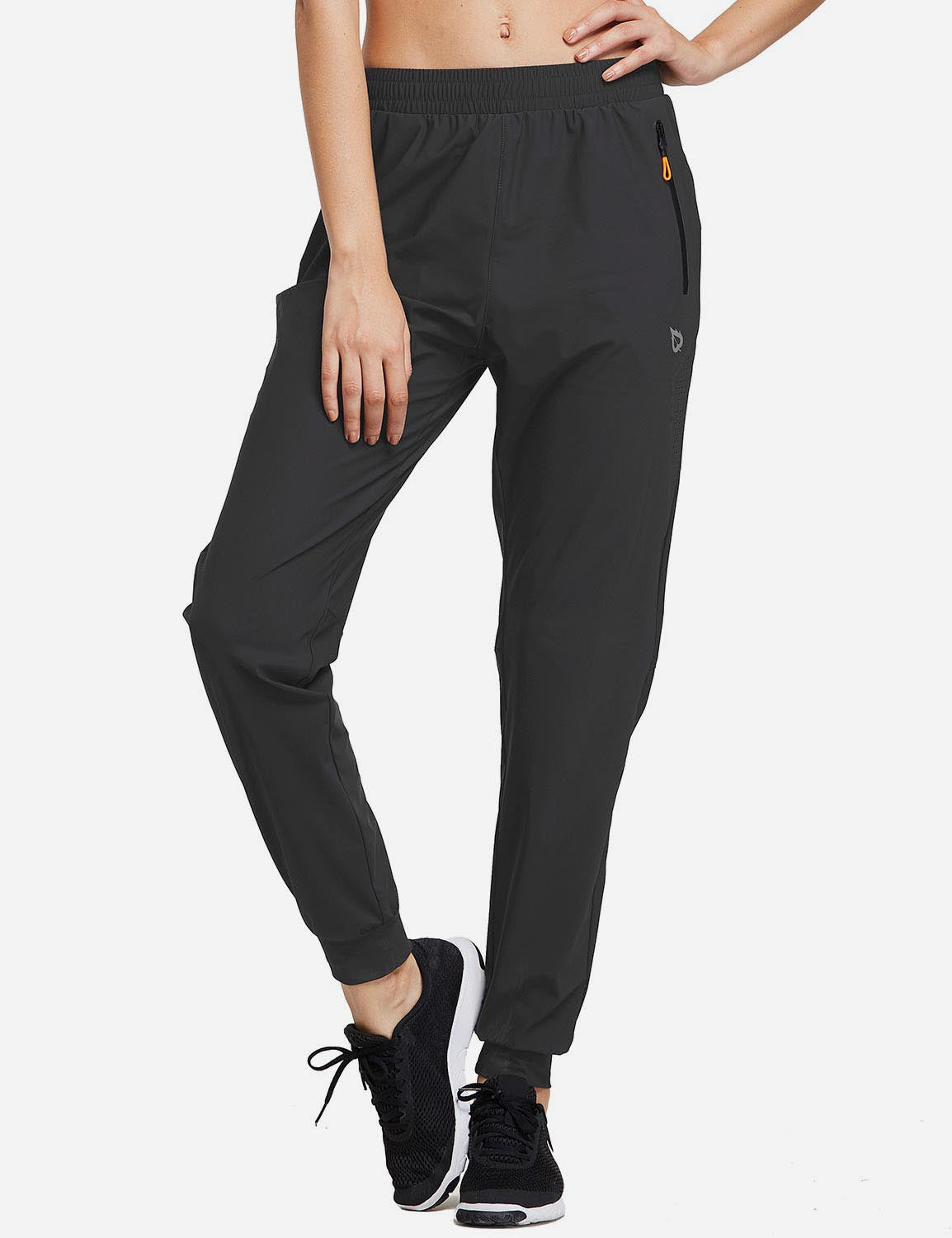
Understanding Winter Hiking Pants
Winter hiking pants are specially designed for outdoor activities in cold weather, offering more than just warmth. Unlike regular hiking pants, which may suffice in milder conditions, winter hiking pants are constructed using materials that provide insulation, weather resistance, and durability. Typically made from synthetic fabrics or a blend of natural fibers, these pants often feature a fleece lining or insulation layer to keep you warm. The design may also include a water-resistant or waterproof outer layer to shield you from snow and rain, ensuring you remain dry and comfortable throughout your hike. Understanding these differences is crucial for making an informed choice when gearing up for winter adventures.
Key Features of Winter Hiking Pants
When selecting winter hiking pants, several key features can significantly affect your comfort and performance on the trail. Firstly, insulation is paramount; it traps body heat without adding excessive bulk, allowing for freedom of movement. Secondly, waterproofing is essential to prevent moisture from snow or rain from soaking through. Many winter hiking pants utilize technologies that repel water while remaining breathable, ensuring sweat from your body can escape. Breathability is another crucial feature, as it helps regulate your temperature, preventing overheating during exertion. Lastly, durability cannot be overlooked; winter hiking pants should withstand the wear and tear of rugged terrains. Reinforced knees and seats, along with abrasion-resistant materials, will enhance the lifespan of your gear and keep you protected from the elements.
Benefits of Wearing Winter Hiking Pants
The benefits of wearing winter hiking pants extend beyond mere comfort. One of the primary advantages is protection from the elements. Winter hiking pants shield you from biting winds, snow, and moisture, allowing you to focus on the trail ahead rather than your discomfort. They also enhance mobility; many styles are designed with articulated knees and stretch materials that enable a full range of motion, whether you are climbing a steep incline or navigating tricky terrain. Improved warmth is another vital benefit; with the right insulation, you can maintain your body heat, reducing the risk of hypothermia on cold days. I remember a winter hike with friends where one of them wore regular pants; while we enjoyed the stunning snowy landscape, he struggled with the chill, highlighting how crucial the right gear is for an enjoyable experience.
Choosing the Right Winter Hiking Pants
Selecting the perfect winter hiking pants requires consideration of several factors. Fit is paramount; pants should be snug enough to retain warmth but loose enough to allow for layering if needed. Assessing weather conditions is also essential; if you expect heavy snow or rain, prioritize waterproof options. Personal preferences play a role as well—some hikers prefer a more fitted style for a streamlined look, while others opt for looser fits for comfort. It's advisable to try on various styles and materials to determine what feels best for you. Remember, the right choice can make a significant difference in your overall hiking experience.
Final Thoughts on Winter Hiking Pants
In conclusion, investing in quality winter hiking pants is essential for anyone looking to enjoy the great outdoors during the colder months. We explored the various features, benefits, and considerations for selecting the right pair, emphasizing how these specialized pants can drastically improve your comfort and performance on the trail. As you prepare for your next winter adventure, remember that the right gear can make all the difference between a memorable experience and a challenging one. Equip yourself properly, and embrace the beauty of winter hiking with confidence!