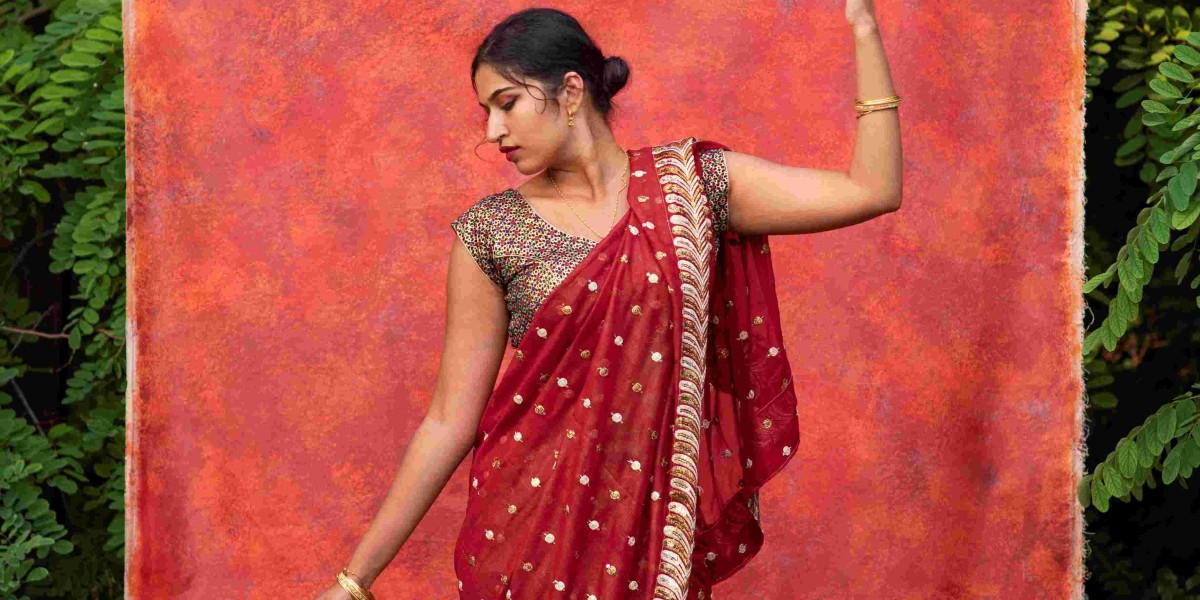

The Banarasi silk saree represents the zenith of Indian textile artistry, embodying centuries of weaving tradition, cultural heritage, and unparalleled craftsmanship. Originating from the ancient city of Varanasi (Banaras), these magnificent garments have adorned generations of Indian women during their most significant life moments. An authentic Banarasi silk saree is not merely clothing—it is wearable art, a treasure passed down through families, and a testament to the skill of master weavers who have perfected their craft over generations.
The Legacy of Banaras
The Banarasi silk saree tradition dates back over 500 years, flourishing under Mughal patronage that brought Persian motifs and weaving techniques to India's spiritual capital. The weavers of Banaras developed a unique style that blended Mughal artistic sensibilities with traditional Indian designs, creating textiles that were prized by royalty and nobility. Today, authentic Banarasi silk saree production continues in the narrow lanes of Varanasi, where families of weavers maintain techniques and patterns passed down through countless generations.
The process of creating a single Banarasi silk saree can take anywhere from fifteen days to six months, depending on the complexity of the design and the intricacy of the weaving. This time-intensive production ensures that each saree is a unique creation, bearing the subtle marks of human craftsmanship that machine-made imitations cannot replicate.
Pure Silk Foundation
Authentic Banarasi silk saree weaving begins with the finest silk threads, sourced to ensure lustrous quality and durability. The silk provides the perfect canvas for the intricate brocade work that characterizes these sarees. The weight of the silk varies—lighter weights for everyday wear and heavier, more substantial silks for bridal and ceremonial occasions.
The preparation of silk threads for Banarasi silk saree weaving is itself an art form. Threads are carefully dyed using traditional or modern techniques to achieve the rich, vibrant colors that Banarasi sarees are famous for. The quality of the silk directly impacts the saree's drape, longevity, and the way it catches and reflects light—crucial elements that distinguish authentic pieces from inferior imitations.
Traditional Motif Vocabulary
The Banarasi silk saree is renowned for its distinctive motifs, each carrying cultural significance and historical meaning. The kalga and bel motifs, inspired by paisley designs, are quintessentially Banarasi, appearing in various sizes and configurations across the saree's surface. These curved, tear-drop shapes symbolize fertility and prosperity, making them especially appropriate for weddings and celebrations.
Floral motifs—especially the jhallar (flowering plants) and jangla (dense forest patterns)—create elaborate gardens across the Banarasi silk saree fabric. These botanical designs range from delicate, scattered blossoms to dense, all-over patterns that cover the entire surface. The precision required to weave these intricate florals demonstrates the weaver's exceptional skill.
Architectural motifs inspired by Mughal monuments feature prominently in many Banarasi silk saree designs. Miniature representations of domes, minarets, and arches create geometric interest and reflect the cultural synthesis that defines Banarasi weaving. Animal and bird motifs—peacocks, parrots, elephants—add narrative elements and symbolic meaning.
Weaving Techniques and Styles
The authentic Banarasi silk saree employs several distinctive weaving techniques. Pure brocade weaving, where supplementary weft threads create raised patterns against the silk ground, produces the most traditional Banarasi aesthetic. The metallic threads—traditionally real silver or gold wrapped around silk core threads—create the characteristic shimmer.
Cutwork or phekwa technique creates a unique Banarasi silk saree style where the brocade patterns appear to float against a contrasting background. This labor-intensive technique requires exceptional precision, as the supplementary threads are visible only on the face of the fabric, with loose threads cut away from the reverse.
Jangla technique creates all-over patterns where the entire saree surface is covered with intricate brocade work. These heavily embellished Banarasi silk saree pieces are particularly prized for bridal wear, their dense ornamentation symbolizing abundance and celebration.
The Zari Distinction
The quality and type of zari (metallic thread) work fundamentally defines a Banarasi silk saree's value and appearance. Pure gold or silver zari, where precious metal is actually used in the thread, represents the highest quality and creates an unmatchable luster that improves with age. These heirloom-quality pieces are investment purchases, often treasured across generations.
Modern Banarasi silk saree production also employs high-quality metallic zari that mimics the appearance of precious metal while being more affordable and accessible. When executed well, these pieces maintain the characteristic Banarasi sheen and can be equally beautiful, though they lack the investment value of pure metal zari.
The zari work patterns vary significantly—from delicate outlines that define motifs to dense, complete coverage that creates an almost solid metallic effect. The distribution and density of zari work across the Banarasi silk saree surface contributes significantly to its weight, drape, and overall aesthetic impact.
Color Traditions and Innovations
Traditional Banarasi silk saree colors reflect both cultural preferences and dye technology heritage. Deep reds and magentas remain perennially popular, especially for bridal wear, symbolizing prosperity and marital bliss. Royal blues and greens evoke luxury and sophistication, while the timeless appeal of gold, beige, and cream creates versatile elegance suitable for various occasions.
Contemporary Banarasi silk saree production has expanded the color palette dramatically. Pastels—once difficult to achieve with traditional dyes—now appear in sophisticated mint greens, powder blues, and blush pinks. Bold contemporary shades like teal, purple, and wine create striking modern interpretations of traditional designs.
The interplay between the saree's base color and the zari work color creates additional visual complexity. Gold zari on red silk produces the classic bridal aesthetic, while silver zari on navy blue or black creates dramatic evening elegance. Contrast combinations—like gold on teal or silver on burgundy—offer contemporary appeal while maintaining traditional craftsmanship.
Border and Pallu Artistry
The Banarasi silk saree border represents one of its most distinctive features, often containing the densest concentration of zari work and the most intricate patterns. Traditional borders range from narrow strips of geometric patterns to wide, heavily ornamented panels featuring complex floral and architectural motifs. The border design often complements or contrasts with the body of the saree, creating visual interest and defining the garment's overall character.
The pallu—the decorative end piece of the Banarasi silk saree that drapes over the shoulder—serves as the saree's crowning glory. This is where weavers showcase their greatest artistry, creating elaborate compositions that might include large-scale motifs, narrative scenes, or dense all-over patterns. Bridal pallas often feature the most extensive and complex work, sometimes taking months to complete.
Regional Variations
While all authentic pieces share certain characteristics, Banarasi silk saree production encompasses several regional styles within Varanasi and surrounding areas. Some weavers specialize in particular motif types or weaving techniques, creating subtle regional variations appreciated by connoisseurs. These variations preserve distinct aesthetic traditions while contributing to the rich diversity of Banarasi weaving.
Identifying Authenticity
As Banarasi silk saree popularity has grown, so has the prevalence of machine-made imitations and power-loom productions claiming Banarasi heritage. Authentic handloom pieces display certain characteristics: slight irregularities in pattern that indicate human weaving, weightier fabric due to pure silk and dense zari work, and a distinctive feel and drape that comes from traditional materials and techniques.
The reverse side of an authentic Banarasi silk saree reveals the floating supplementary threads—the loose weft threads that don't form part of the face pattern. Machine-made versions cannot replicate this characteristic. Additionally, the selvedge (edges) of handloom sarees show distinctive characteristics different from power-loom production.
Care and Preservation
A quality Banarasi silk saree requires proper care to maintain its beauty across decades. Dry cleaning is generally recommended, particularly for heavily zari-worked pieces. Storage should protect against moisture, light, and insects—traditional methods include wrapping in muslin cloth and storing with neem leaves or cedar.
The metal threads in Banarasi silk saree pieces are subject to oxidation over time, which can actually add character to vintage pieces. However, proper storage slows this process and preserves the saree's brilliance. Regular airing prevents moisture accumulation and allows the fabric to breathe.
Investment and Heritage Value
An authentic Banarasi silk saree represents a significant investment, with prices reflecting the quality of materials, complexity of design, and hours of skilled labor. However, these sarees are true heirloom pieces, often passed from mother to daughter through generations. Many families treasure antique Banarasi silk saree pieces over a century old, their value appreciating over time both monetarily and sentimentally.
Conclusion
The authentic Banarasi silk saree featuring traditional Indian motifs stands as one of India's greatest contributions to world textile arts. These magnificent garments combine the finest materials with centuries-old techniques and artistic traditions, creating wearable masterpieces that honor the past while remaining eternally elegant. Whether chosen for a wedding, festival, or special celebration, a genuine Banarasi silk saree transforms its wearer, connecting her to generations of tradition while ensuring she looks absolutely magnificent. Investing in an authentic piece means acquiring not just a garment, but a piece of cultural heritage—a treasure that will be cherished for generations to come.