

Unlock the Secrets to Perfectly Hanging Your Bird Feeder from Any Tree!
Bird feeders are a wonderful addition to any garden, providing an opportunity to connect with nature and observe the beautiful avian life that visits. These charming structures not only attract a variety of birds but also contribute to their well-being, especially during harsh weather conditions. However, the effectiveness of a bird feeder largely depends on its placement. Choosing the right tree and employing proper hanging techniques is essential to ensure that your feathered friends feel safe and comfortable while feeding. Whether you’re a seasoned birdwatcher or a newcomer to the hobby, understanding how to hang a bird feeder from a tree can enhance your backyard experience and create a vibrant ecosystem right outside your window.
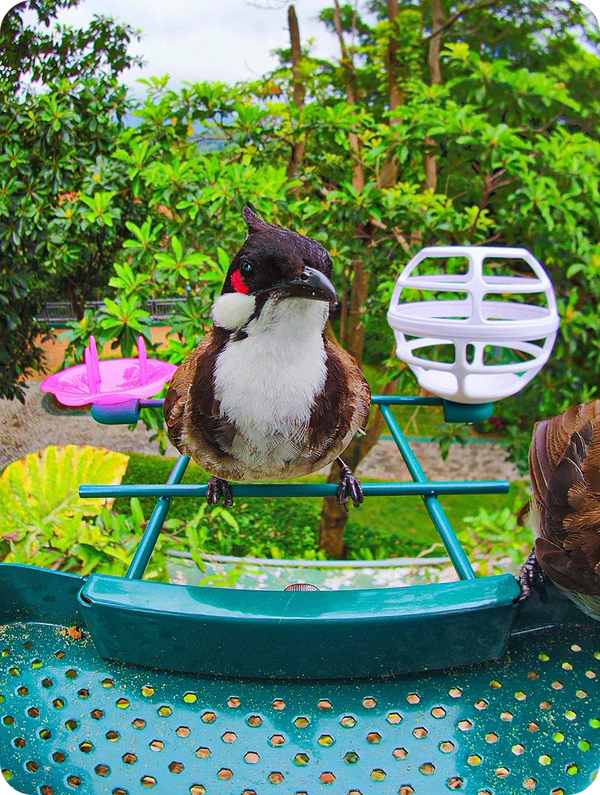
Choosing the Right Tree for Your Bird Feeder
When it comes to selecting the perfect tree for your bird feeder, several factors play a crucial role. First, consider the location; ideally, the tree should be visible from your home, allowing you to enjoy the sights and sounds of visiting birds. Look for mature trees that offer a good canopy, providing shelter from predators and harsh weather. Species such as oak, maple, and pine are often favored because they attract a wide variety of birds. Additionally, it's important to maintain a safe distance from structures like houses, fences, or busy roads. This distance not only protects the birds from potential hazards but also provides a natural flight path, allowing them to approach and leave the feeder without stress. By carefully selecting the right tree, you can create a welcoming environment that draws in various bird species while ensuring their safety.
Essential Tools and Materials for Hanging
Before you embark on your bird feeder hanging adventure, gather the essential tools and materials needed for the task. You will require sturdy rope or wire that can withstand the elements, as well as durable hooks to secure the feeder. A ladder may be necessary to reach higher branches safely, so ensure it is stable and positioned on level ground. Additionally, a level tool can help you ensure the feeder hangs straight, which is vital for the birds’ comfort. Don’t forget to wear gloves for protection, especially when working with sharp objects or rough materials. Using weather-resistant materials is key to ensuring the longevity of your feeder and maintaining a safe feeding environment for the birds.
Step-by-Step Guide on How to Hang Your Bird Feeder
Now that you’re equipped with the right tools, let’s dive into the step-by-step process of hanging your bird feeder. Start by determining the optimal height for the feeder; ideally, it should be at least five feet off the ground to protect against ground predators while remaining low enough for small birds to access easily. Measure the height using a tape measure, and mark the point on the tree where you want the feeder to hang. Next, securely attach the hook to the branch, ensuring it is stable and can bear the weight of the feeder. Once the hook is in place, hang the feeder and check its stability. It should not wobble or swing excessively. For added security, consider using a bungee cord or additional rope to tie the feeder to the branch, preventing it from being knocked down by wind or curious squirrels. Finally, adjust the position of the feeder to ensure it’s easily visible from your favorite viewing spot, and step back to admire your work!
Common Mistakes to Avoid
While hanging a bird feeder may seem straightforward, several common mistakes can be easily avoided. One frequent error is placing the feeder too close to windows or reflective surfaces, which can lead to bird collisions. Aim to keep feeders at least 30 feet away from such areas to minimize this risk. Additionally, avoid hanging feeders in areas that are heavily trafficked by pets or wild animals, as this can deter birds from visiting. Another mistake is neglecting the visibility of the feeder; if it’s hidden among dense foliage, birds may overlook it. Ensure that your feeder is in an open area where birds can spot it easily. By sidestepping these pitfalls, you can create a safe and inviting space for your avian visitors.
Maintenance and Care for Your Bird Feeder
Regular maintenance is crucial to ensure your bird feeder remains an appealing and safe place for birds to dine. Start by cleaning your feeder every two weeks, especially during periods of heavy use. Use a mild soap solution and a soft brush to remove any buildup of mold or bacteria, which can be harmful to birds. After cleaning, rinse thoroughly and allow it to dry completely before refilling it with food. Additionally, check for any signs of damage, such as cracks or loose parts, that could compromise the feeder's integrity. Keeping the feeder stocked with fresh seed is also essential; stale or spoiled food can drive birds away. By taking these simple maintenance steps, you’ll create a thriving feeding station that will attract various bird species to your yard.
Final Thoughts on Enhancing Your Bird Feeding Experience
In conclusion, hanging a bird feeder from a tree is a rewarding endeavor that not only enhances your outdoor space but also supports local wildlife. By choosing the right tree, utilizing the correct tools, and following best practices for placement, you can create a safe and welcoming environment for birds to feed. Remember to maintain your feeder regularly to keep it inviting and functional. So, gather your materials, find the perfect tree, and hang your bird feeder today—your backyard oasis awaits, filled with the delightful sights and sounds of nature!