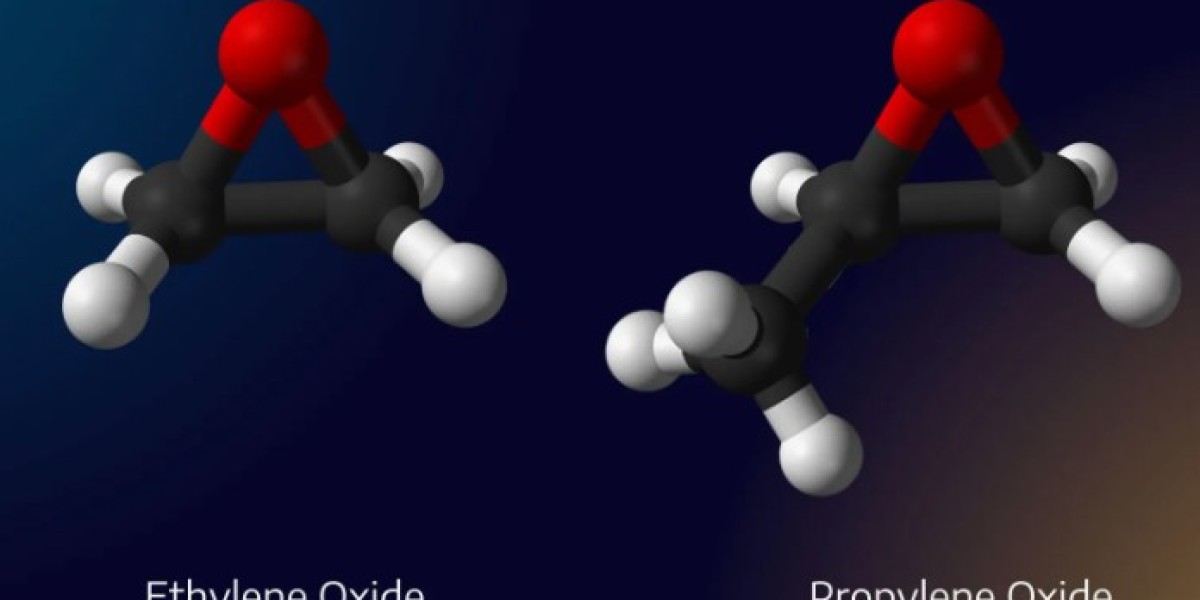

The propylene oxide market is projected to grow from USD 14.89 billion in 2025 to USD 18.88 billion by 2030, at a CAGR of 4.9% during the forecast period. The global propylene oxide market is projected to expand significantly between 2025 and 2030. This expansion is driven by demand for polyurethane foam in energy-efficient construction insulation and lightweight automotive components, which will increase as electric vehicles use these materials for thermal management systems. The production of consumer durables, furniture, and advanced packaging solutions will increase because developing Asian economies experience rapid industrial growth and urban development.
The propylene oxide market is growing due to the increasing demand from the polyurethane foam market, particularly in building and construction insulation, car seats, and furniture. In addition, the use of propylene glycol in the pharmaceutical, personal care, food, and industrial sectors is also rising. Energy efficiency regulations, the rising demand for rigid insulating foams, and the restart of global car manufacturing are also driving the market. Though the key participants, such as LyondellBasell, Dow, BASF, and Shell, are concentrating on capacity optimization, HPPO technology, and the reduction of carbon intensity, they are also expanding their production capacity in the high-growth market of Asia Pacific.
Download PDF Brochure: https://www.marketsandmarkets.com/pdfdownloadNew.asp?id=55659975
By production process, the styrene monomer process is expected to dominate the global market throughout the forecast period.
The styrene monomer process forms the larger segment of the propylene oxide market in terms of value and volume, because of its economical, technological, and practical advantages over other processes. In this method, ethylbenzene is used for the epoxidation of propylene. Propylene oxide is synthesized by indirect epoxidation of propylene using ethylbenzene hydroperoxide as the organic peroxide. Here, ethylbenzene is first treated with oxygen in order to produce ethylbenzene hydroperoxide. The ethylbenzene hydroperoxide is further treated with propylene to form propylene oxide. The propylene oxide using the propylene oxide/styrene monomer co-production process has been gaining popularity across the globe, primarily because of superior economics. It also offers advantages environmentally over the chlorohydrin technology because of the absence of chloride waste. The major companies that manufacture propylene oxide using the propylene oxide/styrene monomer co-production process are LyondellBasell Industries Holdings B.V., Shell Chemicals Ltd., Nihon Oxirane Co., Ltd.
By application, polyether polyols are estimated to dominate the propylene oxide market during the forecast period.
During the forecast period, polyether polyols are projected to form the fastest-growing application of propylene oxide. They are also projected to account for the largest market share. Polyether polyols are produced by reacting propylene oxide with an initiator compound. They are primarily used in the manufacturing of polyurethane foams. Polyurethane foams are a versatile material with applications across various end use industries such as automotive, chemicals and pharmaceuticals, building and construction, as well as in the pharmaceutical industry. The use of both flexible and rigid foam is rising due to their adaptability and use in multiple high-value end-use industries. As a result, polyether polyols are estimated to sustain their largest market share in terms of value as well as volume.
The automotive segment by end-use industry is expected to dominate the global propylene oxide market during the forecast period.
During the forecast period, the end use automotive sector is projected to be the major contributor to the overall propylene oxide market, in terms of volume. Polyether polyols are used for the manufacturing of rigid and flexible foams. These foams are used in car seats, handrests, overliners, floor, and in other various interiors, exterior, and under the bonnet applications. Propylene oxide derivatives are also used in non-foam automotive applications, which include coatings, adhesives, sealants, and elastomers, as well as in thermoplastic resins and fibers. The continued growth in the automotive industry is expected to result in high demand for polyurethane foam.
Get a Sample Copy of This Report: https://www.marketsandmarkets.com/requestsampleNew.asp?id=55659975
Asia Pacific is projected to be the fastest-growing region in the propylene oxide market during the forecast period.
Asia Pacific is estimated to be the fastest-growing region in the propylene oxide market during the entire forecast period. The region’s manufacturing is at peak with heavy activities in the automotive, chemicals and pharmaceuticals, building materials, textiles, and electronics industries that are heavily reliant on polyurethane foam. Propylene oxide derivatives, especially polyether polyols, have continued to be in strong demand due to widespread industrial use of these chemicals in the entire region. China is one of the key propylene oxide producers and consumers in the region, and it has increased its production capacity to cater to the increasing demand from the domestic market. Therefore, Asia Pacific is expected to be simultaneously the largest and the fastest-growing region in the global propylene oxide market.
Dow (US), LyondellBasell Industries Holdings B.V. (Netherlands), Shell (UK), Indorama Ventures Public Company Limited (Thailand), and SABIC (Saudi Arabia) are the leading players in the market. There is significant competition in the propylene oxide market to develop new production technologies, reduce feedstock costs, and improve process efficiency. Due to such opportunities in the industry, companies are striving to increase their market share by implementing various strategies.
Dow (US)
Dow, Inc. is a multifaceted chemical company that produces and markets plastics, chemicals, industrial goods, and agricultural products. Four business segments—packaging and specialty plastics, industrial intermediates and infrastructure, performance materials & coatings, and corporate—are used to oversee business operations. The company serves a number of end-use industries, including agriculture, construction, healthcare & medical, packaging, oil & gas, water, transportation, and renewable energy, by providing propylene oxide through its industrial, intermediates, and infrastructure business segment. Polyurethanes & construction chemicals and industrial solutions are the two sub-segments that make up the industrial intermediates and infrastructure segment. The polyurethanes & construction chemicals sub-segment is involved in the production of propylene oxide. The company produces propylene oxide at four facilities in Brazil, Germany, Louisiana (US), and Texas (US). It also has 201 production plants in 36 countries. The company has operations in the US, Europe, the Middle East & Africa, and Asia Pacific, and offers its products and services across 180 countries through its subsidiaries.
Inquire Before Buying: https://www.marketsandmarkets.com/Enquiry_Before_BuyingNew.asp?id=55659975
LyondellBasell Industries Holdings B.V. (Netherlands)
LyondellBasell Industries Holdings B.V. manufactures gasoline, chemicals, and plastic resins. Olefins & polyolefins—Americas; olefins & polyolefins—Europe, Asia, and international; intermediates & derivatives; refining; and technology comprise the company's five business segments. Propylene glycol, propylene glycol ethers, butanediol, and other products and derivatives of propylene oxide are manufactured by the corporation under the intermediates & derivatives section. It uses joint ventures and subsidiaries to conduct business internationally.
Shell (UK)
The London Stock Exchange lists Shell PLC, also referred to as Shell. As a vertically integrated business, Royal Dutch Shell PLC engages in both upstream and downstream operations in the oil & gas sector. It is one of the top six oil & gas businesses in the world. The company's five business segments are oil products, integrated gas, chemicals, upstream, and corporate. It is active in chemicals and other energy-related sectors in addition to the worldwide oil & gas industry. It stimulates innovation and research to produce technological solutions. The business offers technological capabilities and technical assistance for both upstream and downstream operations. Through its downstream business area, it provides propylene oxide.
Indorama Ventures Public Company Limited (Thailand)
Indorama Ventures Public Company Limited is a Thai company that was listed on the Stock Exchange of Thailand in February 2010. Its registered office is located in Bangkok, Thailand. During the financial year, the immediate parent company was Indorama Resources Limited, incorporated in Thailand, while the ultimate parent company was Canopus International Limited, incorporated in Mauritius. The main operations of the company and its subsidiaries ("Group") involve the production and distribution of polyethylene terephthalate (PET), purified terephthalic acid (PTA), paraxylene (PX), recycling, purified isophthalic acid (PIA), naphthalene dicarboxylate (NDC), PET preforms and packaging, integrated ethylene glycol (EG), integrated purified propylene oxide, integrated surfactants such as EOA, LAB, and others, as well as fibers including polyester, rayon, nylon, polypropylene, composites, and worsted wool fiber products. The company operates manufacturing, R&D, and administrative facilities in over 30 countries worldwide.
Speak to Expert: https://www.marketsandmarkets.com/speaktoanalystNew.asp?id=55659975
SABIC (Saudi Arabia) SABIC operates as a global diversified chemicals producer headquartered in Riyadh, Saudi Arabia. The company operates through public stock ownership because Saudi Aramco controls 70% of its shares while the remaining shares are accessible to public investors. The company produces a wide array of products that include petrochemicals, industrial chemicals, polymers, fertilizers, agricultural nutrients, various metals, and specialty items. The company operates its business in more than 50 countries, while its products reach customers in over 100 different countries. SABIC operates in multiple fields, which include hygiene & healthcare, electrical & electronics, packaging, agriculture, consumer goods, construction, transportation, and clean energy. The company develops about 150 new products annually while holding multiple patents and pursuing sustainability goals, which include a 25% reduction in energy, greenhouse gas, and water consumption by 2025.
?️ STRATEGIC INSIGHTS COVERED IN TOC
• Report Overview
• Executive Summary
• Marketing Strategy Analysis
• Market Influence Factors (Porter's Five Forces)
• Market Size and Forecast Analysis
• Future Growth Opportunities
• Trend Analysis
• Market Size by Product and Application
REASONS TO PURCHASE THIS REPORT
◘ Gain a clear understanding of current and future market scenarios
◘ Identify high-growth opportunities and mitigate risks
◘ Analyze competitive strategies and technology trends
◘ Support data-driven investment and expansion decisions
◘ Access reliable forecasts and strategic recommendations