

Unlock the Secret to Getting Your Baby to Love the Bottle!
For many new parents, the excitement of introducing a bottle to their breastfed infant can quickly turn into frustration when the little one outright refuses it. This common issue can feel overwhelming, but it's crucial to address it for the well-being of both parent and baby. Bottle feeding offers flexibility, allowing caregivers to share feeding responsibilities and providing opportunities for socialization beyond the breastfeeding relationship. In this article, we will explore effective strategies to help you navigate the journey of getting your baby to accept the bottle, ensuring a smoother transition for both of you.
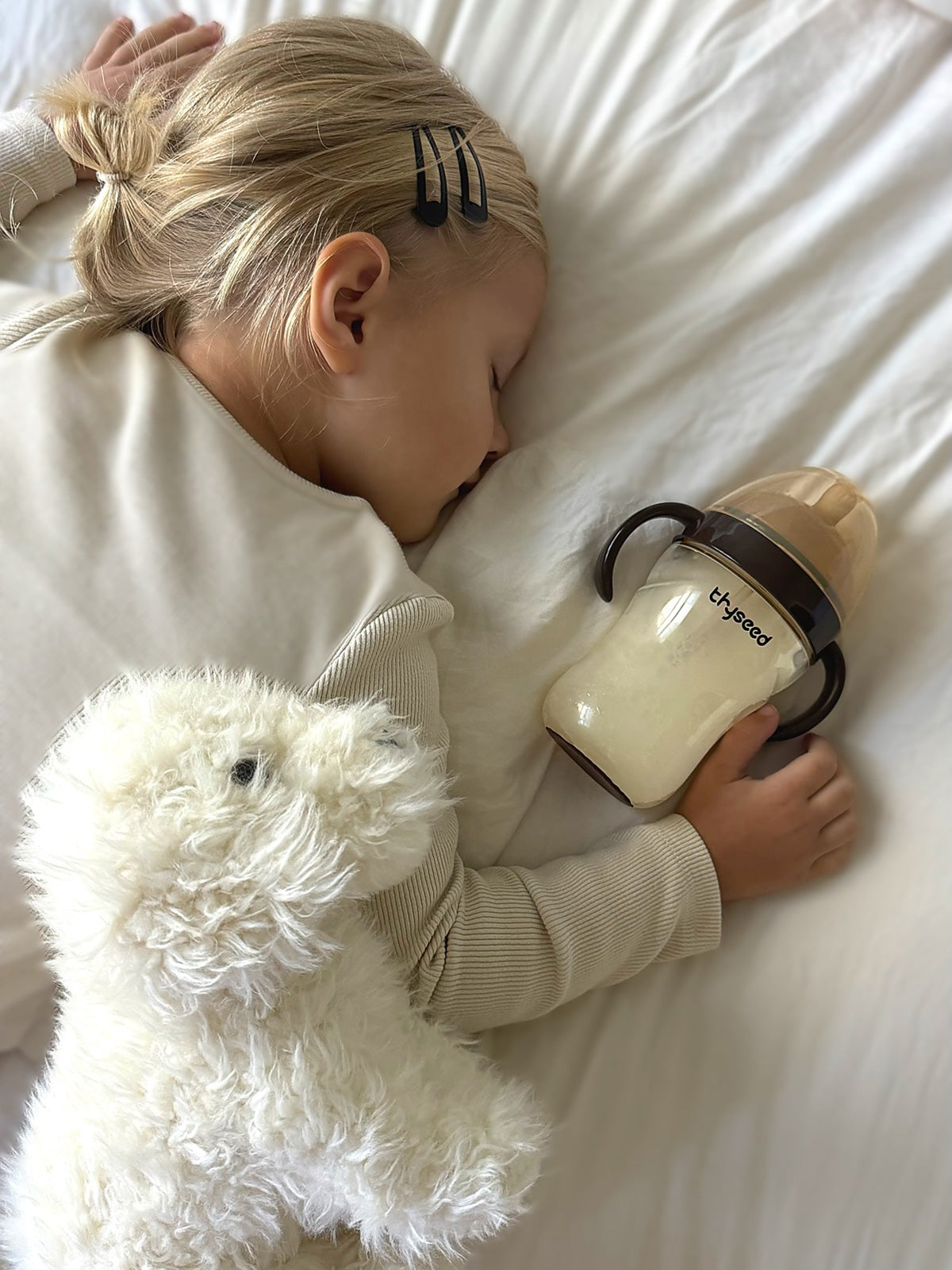
Understanding the Reasons Behind Bottle Refusal
Infants may refuse a bottle for several reasons, and understanding these can help parents approach the situation more effectively. One common reason is a preference for breastfeeding; the closeness and comfort that comes from nursing can make a bottle seem less appealing. Additionally, nipple confusion can occur when a baby struggles to switch between the breast and a bottle, leading to frustration. Discomfort, whether from the bottle's nipple material or shape, can also play a significant role. It's essential to recognize that feeding is not just a physical act; it's an emotional connection for babies, and any disruption can impact their willingness to accept a new feeding method. An acquaintance of mine faced this when her son refused the bottle, only to find out he was simply uncomfortable with the nipple's texture. Addressing these underlying issues is the first step towards successful bottle introduction.
Preparing for a Successful Transition
Preparation is key when transitioning your baby to a bottle. Timing plays a significant role; choose a moment when your baby is calm and not overly hungry, as a fussy baby may be less willing to try something new. Creating a soothing environment can also help ease the process. A quiet room with minimal distractions can make the experience more pleasant for your baby. Experimenting with different feeding positions may also yield positive results. Some babies prefer to be held in a similar way to breastfeeding, while others might enjoy being cradled differently. My friend found that her daughter was more receptive to the bottle when she mimicked the breastfeeding position, and it made all the difference. Preparing both your baby and yourself mentally can set the stage for a more successful transition.
Techniques to Encourage Bottle Feeding
Once you're prepared, it's time to explore techniques that can encourage your baby to accept the bottle. Trying different nipple shapes and materials can make a significant difference. Some babies may prefer a wider nipple that mimics the breast, while others might respond better to a more traditional shape. Using breast milk in the bottle can also help, as the familiar taste may entice your baby to give it a try. Additionally, consider having another caregiver offer the bottle. Sometimes, babies are more willing to accept a bottle from someone other than their breastfeeding parent. Patience and consistency are crucial; it may take several attempts before your baby accepts the bottle. Remember to celebrate small victories, as each attempt is a step toward success.
When to Seek Help
While many infants will eventually accept the bottle, there are instances when parents should seek professional help. If your baby persistently refuses the bottle and you have concerns about their health or nutrition, it may be time to consult a pediatrician or a lactation consultant. They can provide tailored advice and support, ensuring that your baby is getting the nutrients they need. Additionally, if you're feeling overwhelmed, talking to a professional can help you navigate the emotional aspects of feeding and provide reassurance that you're not alone in this experience.
Strategies for Successful Bottle Feeding
In conclusion, bottle refusal is a common challenge faced by many parents, but it is one that can be overcome with the right strategies and a bit of patience. Understanding the reasons behind your baby's refusal, preparing for a successful transition, and employing effective techniques can make a significant difference. Remember, every baby is unique, and what works for one may not work for another. Embrace the process, stay adaptable, and foster a positive feeding experience. With time and perseverance, you’ll likely find that your baby can learn to love the bottle just as much as they love being close to you.