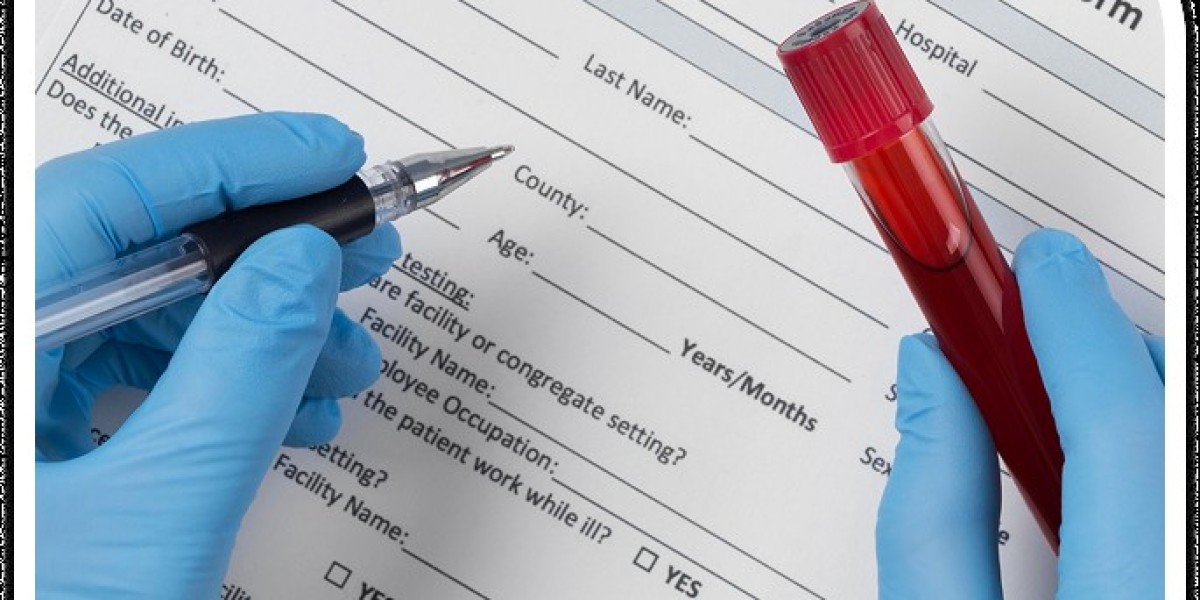

Whether you’re newly relocated or a long-term resident, arranging an STD Test in Dubai can raise practical questions: Are the tests different for expats? Will my visa status be affected? Is the process confidential? These concerns are common, especially among individuals unfamiliar with local healthcare systems. In clinical practice, STD screening for expats and residents follows the same medical standards—focused on accuracy, privacy, and patient wellbeing. This guide explains what to expect, how testing works, realistic timelines, and the emotional and physical experience during and after the procedure.
Is STD Testing Different for Expats?
Medically, no. The testing process is the same regardless of nationality or residency status.
Screening decisions are based on:
Symptoms
Exposure timing
Risk factors
Preventive health planning
Healthcare providers prioritize medical need—not background.
Can Visa Status Be Affected by STD Testing?
This is one of the most frequent concerns among expats.
Routine voluntary STD testing for personal health reasons is confidential. Results are handled within standard medical privacy regulations. Testing for personal reassurance is not automatically linked to immigration processes.
If you have specific visa-related health requirements, those are typically handled through designated screening programs.
What Infections Are Commonly Checked?
A typical STD test panel may include:
HIV
Syphilis
Chlamydia
Gonorrhea
Hepatitis B and C
The selection depends on:
Recent sexual history
Symptoms
Time since possible exposure
Doctors adjust panels carefully to ensure accurate detection.
What Does the Appointment Look Like?
Step 1: Confidential Consultation
A clinician will review:
Medical history
Recent exposure
Symptoms
Testing goals
Patients often feel reassured once they realize the consultation is professional and judgment-free.
Step 2: Sample Collection
Testing may involve:
Blood draw
Urine sample
Swab if necessary
The collection process usually takes less than 10 minutes.
Does STD Testing Hurt?
What sensations should I expect during testing?
Blood testing causes a brief needle pinch. Urine testing causes no discomfort. Swab tests may feel mildly uncomfortable but only for a few seconds.
Patients frequently report that anxiety beforehand is stronger than the physical sensation itself.
There is no recovery period required afterward.
How Long Do Results Take?
Result timelines vary:
HIV (4th generation): 1–3 days
Syphilis: 1–3 days
Chlamydia & Gonorrhea: 2–4 days
Hepatitis: 2–4 days
Some rapid tests offer preliminary same-day results.
Waiting for results can feel stressful, but most patients resume normal routines immediately after testing.
Are There Any Restrictions After Testing?
No downtime is required.
You may:
Return to work
Travel
Exercise
Continue daily activities
If exposure was recent, clinicians may advise avoiding unprotected intercourse until results are confirmed.
What About Window Periods?
Window periods refer to the time between exposure and when a test can reliably detect infection.
General guidance:
HIV: reliable detection after 4–6 weeks
Syphilis: around 3–6 weeks
Chlamydia: about 1–2 weeks
Testing too early may require repeat screening.
In clinical practice, proper timing ensures reliable outcomes.
What Do Patients Commonly Feel?
Before testing:
Fear about confidentiality
Concern about immigration impact
Anxiety about pain
During testing:
Professional, neutral interaction
Quick sample collection
Less discomfort than expected
After testing:
Emotional relief
Increased sense of control
Peace of mind
One patient, Daniel, 38, shared:
"As an expat, I was worried about how testing might affect my records. It was handled professionally and privately."
Another patient, Aisha, 29, said:
"I delayed testing for months because I was nervous. It ended up being simple and very discreet."
What Happens If a Result Is Positive?
Most sexually transmitted infections are treatable. Early-stage bacterial infections are often curable with antibiotics.
Management may include:
Medication
Follow-up blood work
Partner guidance
Monitoring if required
Modern HIV therapy allows individuals to live long, healthy lives with appropriate care.
Early detection improves outcomes significantly.
Comparison of Common STD Testing Methods
| Test Type | Sensation Level | Time Required | Downtime |
|---|---|---|---|
| Blood Test | Mild pinch | 5 minutes | None |
| Urine Test | None | 5 minutes | None |
| Swab Test | Brief pressure | 5 minutes | None |
All methods allow immediate return to daily life.
How Often Should Expats and Residents Test?
Frequency depends on individual risk, not residency status.
General recommendations:
Annually for sexually active adults
Every 3–6 months for higher-risk individuals
Immediately after possible exposure
Preventive screening is part of responsible health maintenance.
Is Confidentiality Guaranteed?
Licensed healthcare facilities follow strict privacy standards. Medical information is shared only with the patient unless legally required otherwise.
In clinical practice, patient trust depends on confidentiality—and it is treated accordingly.
Why Choose Us
At Tajmeels Clinic, STD screening for both expats and residents is conducted with strict confidentiality, accurate diagnostic protocols, and individualized medical evaluation. Each patient receives careful assessment to ensure proper test timing, reliable results, and supportive follow-up care in a professional environment.
Frequently Asked Questions
Is STD testing mandatory for all residents?
Routine STD testing is not mandatory unless required for specific visa or employment medical screenings.
Can I get tested without symptoms?
Yes. Many infections are asymptomatic. Preventive screening is recommended even if you feel healthy.
Will my employer know about my STD test?
No. Medical testing is confidential and not shared with employers without legal requirement or patient consent.
Should couples test before marriage?
Pre-marital screening is common and medically advisable to ensure both partners are aware of their health status.
Can I test again if I’m unsure about timing?
Yes. Repeat testing may be recommended if the initial test occurred during a window period.
Final Thoughts
An STD Test in Dubai is equally accessible and confidential for expats and long-term residents. In clinical practice, most patients leave feeling reassured and empowered. Testing is quick, medically safe, and an important step in maintaining both personal and public health.