

Unlock the Secrets to Sourcing the Best Food Truck Supplies!
The food truck industry has witnessed explosive growth in recent years, captivating food lovers with its diverse offerings and unique dining experiences. However, behind the scenes of this culinary phenomenon lies the crucial element of high-quality supplies. Sourcing the right equipment and materials can make or break a food truck's success. From cooking appliances to serving utensils, every item plays a vital role in daily operations. The purpose of this article is to serve as a comprehensive guide for aspiring food truck owners and operators, helping them navigate the process of finding reliable suppliers and vendors for their essential food truck supplies.
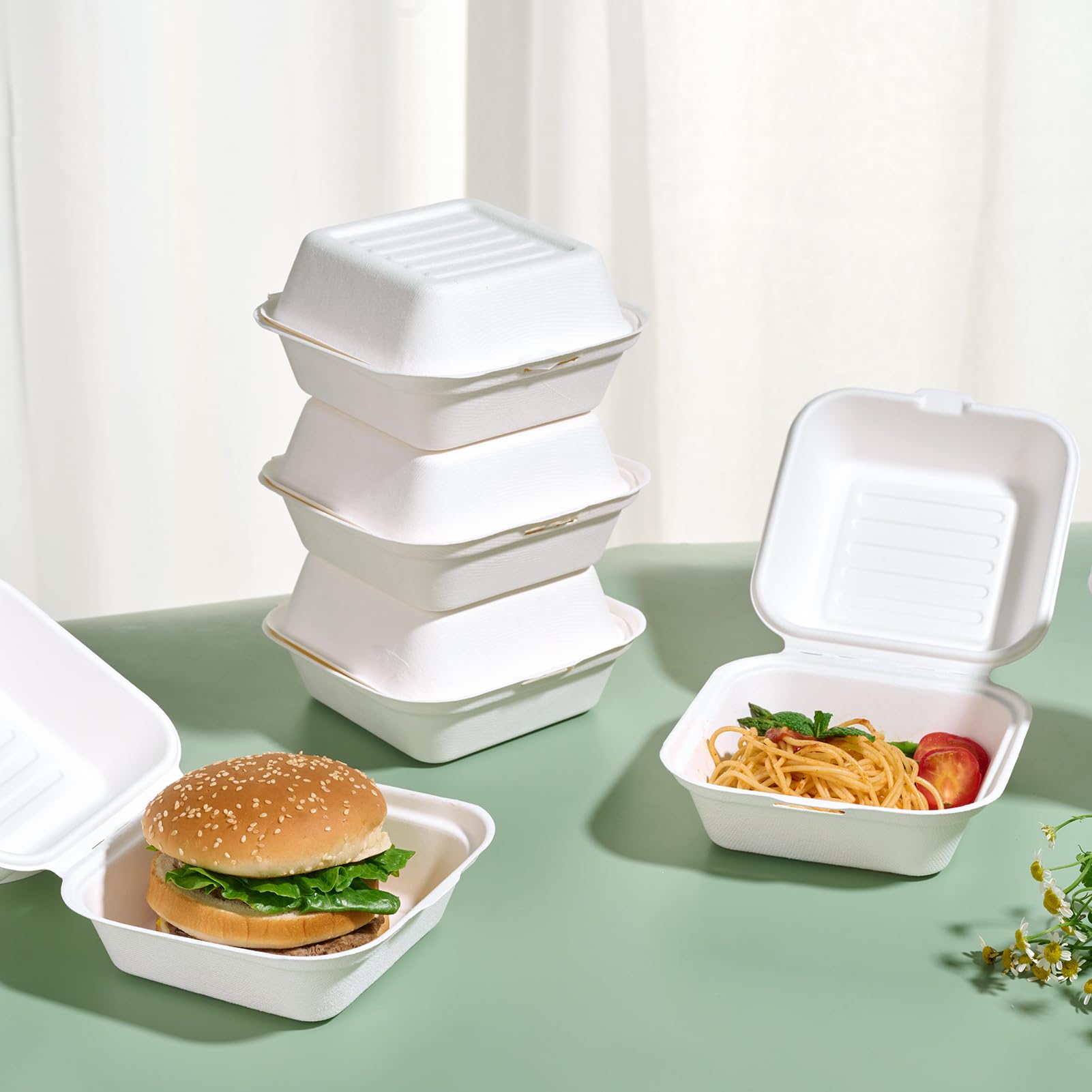
Understanding Food Truck Supplies
Food truck supplies encompass a broad range of equipment and materials necessary for running a mobile kitchen efficiently. Key categories include cooking equipment such as grills, fryers, and ovens, which are essential for food preparation. Storage solutions like refrigerators and dry storage containers are vital for keeping ingredients fresh and organized. Serving utensils, including plates, cups, and cutlery, ensure that food is presented well and consumed conveniently. Lastly, hygiene products, such as hand sanitizers and cleaning supplies, are critical for maintaining health and safety standards. Each of these categories contributes significantly to the overall functionality of a food truck, affecting everything from food quality to customer satisfaction.
Identifying Your Needs
Before diving into the world of suppliers, it's crucial to assess the specific needs of your food truck business. Start by considering your menu offerings; the type of food you serve will dictate the equipment required. For instance, a truck specializing in gourmet burgers will need different supplies than one focused on Asian street food. Space constraints are another significant factor—food trucks have limited room, so compact and multifunctional equipment is often essential. Budget limitations also play a role; knowing how much you can spend will help narrow down your options. Create a checklist of essential supplies based on these considerations, ensuring that you have everything necessary to operate smoothly from day one.
Where to Find Food Truck Suppliers
Sourcing suppliers for your food truck can be approached through various avenues. Local markets and food service suppliers often offer a wide range of equipment and materials that you can inspect firsthand. Trade shows present another excellent opportunity to meet vendors, compare products, and take advantage of special deals. On the other hand, online platforms provide convenience and a broader selection, allowing you to research and compare prices from the comfort of your home. Each option has its pros and cons; for instance, while local suppliers may provide immediate access, online vendors often offer lower prices. Regardless of the method, thorough research and comparison are essential to ensure you make informed decisions.
Building Relationships with Suppliers
Establishing strong relationships with your suppliers can significantly benefit your food truck operation. Good communication is key; being clear about your needs and expectations fosters trust and understanding. Don't hesitate to negotiate prices or terms, as many suppliers are open to discussions, especially if you plan to order in bulk. Consider creating long-term partnerships with suppliers who align with your business values, ensuring you have consistent access to quality products. A friend of mine, who runs a successful taco truck, often emphasizes the value of maintaining good rapport with his suppliers; it has not only helped him secure better deals but also provided him with timely support during busy seasons.
Evaluating Supplier Options
When assessing potential suppliers, certain criteria should guide your decision-making process. Reliability is paramount; ensure that suppliers can consistently deliver products on time and in good condition. Quality of products is another crucial factor; don't hesitate to ask for samples or do some taste tests to check the ingredients. Customer service can make a significant difference in your experience; suppliers who are responsive and helpful can save you a lot of headaches down the line. Additionally, consider delivery times; suppliers who can get your orders to you quickly are invaluable, especially during peak business hours. Reading reviews and seeking recommendations from fellow food truck owners can also provide insights into the best suppliers in your area.
Sourcing Essential Food Truck Supplies for Success
In conclusion, sourcing the right food truck supplies is a critical step toward establishing a successful mobile food business. By understanding the various categories of supplies, identifying your specific needs, and exploring different sourcing options, you can lay a solid foundation for your operations. Building strong relationships with suppliers and evaluating your options carefully will further enhance your business's efficiency and reliability. Armed with the information provided in this article, it's time for you to take action and enhance your food truck operations, ensuring that you serve delicious food to happy customers!