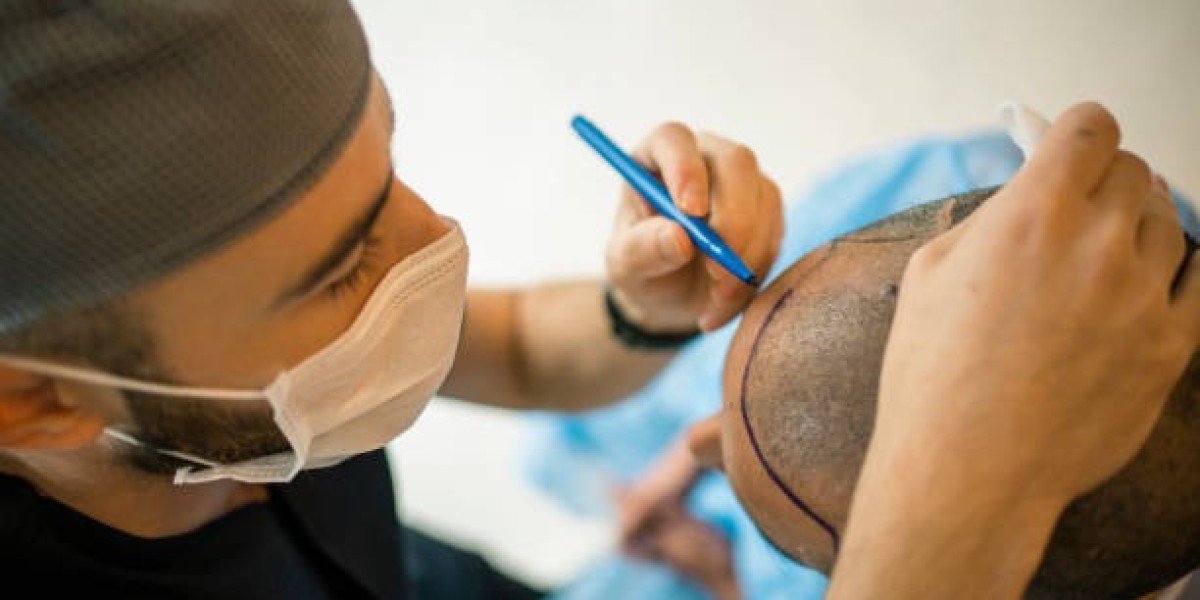

Choosing a Hair Transplant in Sharjah using the DHI technique often appeals to patients looking for precision and faster recovery. Many ask: Is DHI less painful? Does it give higher density? Is it better than standard FUE?
In clinical consultations, we notice that patients are drawn to DHI because of its “direct implantation” concept. However, understanding what actually happens during the procedure—and what recovery truly feels like—is essential before deciding. This guide explains the DHI technique honestly, including real sensations, downtime expectations, safety factors, and who may benefit most.
What Is the DHI Technique?
How is DHI different from traditional FUE?
DHI (Direct Hair Implantation) is a variation of FUE. The extraction phase is similar—individual follicles are removed from the donor area. The key difference lies in implantation.
Instead of creating channels first and then placing grafts, DHI uses a specialized implanter pen to:
Load the graft into the device
Create the channel
Implant the follicle simultaneously
This controlled placement allows precise angle and depth adjustment during insertion.
The technique is often chosen for detailed hairline work and areas requiring refined density control.
Does DHI Hurt More or Less?
What does the procedure actually feel like?
Pain levels are very similar to standard FUE. The most uncomfortable part remains the local anesthesia injections, which cause brief stinging.
Once numbness sets in:
Extraction feels like vibration and pressure
Implantation feels like gentle tapping
No sharp pain is typically reported
Most patients describe discomfort as mild and temporary. Post-procedure soreness in the donor area usually lasts 2–3 days.
“I expected it to be intense, but it felt manageable. The injections were the worst part.” — Rashid, 33
What Makes DHI Technically Precise?
The implanter pen allows specialists to control:
Depth of implantation
Angle of hair growth
Direction matching surrounding hair
Density placement in tight areas
In clinical practice, this can be especially helpful for:
Rebuilding frontal hairlines
Filling temple recessions
Correcting previous transplant work
However, precision depends more on practitioner skill than the device itself.
Is DHI Better for Density?
Can DHI create thicker results?
DHI can allow closer placement of grafts in some cases, but density ultimately depends on donor availability and scalp blood supply.
While marketing often promotes “higher density,” biologically:
Blood circulation must support each graft
Overcrowding reduces survival rates
Balanced spacing improves long-term growth
In real-world outcomes, density is comparable to well-performed FUE when both are done properly.
What Is the Recovery Timeline?
How long is downtime with DHI?
Recovery is similar to FUE and generally predictable:
Day 1–3: Mild swelling, slight tenderness
Day 4–7: Small scabs form and begin falling off
Week 2: Visible healing improves significantly
Week 3–4: Transplanted hair sheds (shock loss)
Month 3–4: Early regrowth begins
Months 9–12: Final results mature
Many patients return to desk work within 3–5 days.
The recipient area may show mild redness for one to two weeks depending on skin sensitivity.
What Does the Donor Area Feel Like?
After DHI extraction, the donor area typically feels:
Slightly tight
Mildly sore
Occasionally itchy during healing
Sleeping with the head slightly elevated reduces swelling during the first few nights.
Most patients feel comfortable by the end of the first week.
Who Is a Good Candidate for DHI?
Is DHI suitable for everyone?
DHI is particularly suitable for:
Early to moderate hair loss
Patients wanting refined hairline design
Individuals seeking minimal visible scabbing
However, it may not be ideal if:
Donor density is very low
Extensive bald areas require very high graft numbers
There are uncontrolled medical conditions
Careful scalp evaluation is essential before selecting a technique.
Are There Safety Risks?
Is DHI safe?
When performed in sterile clinical environments, DHI is considered safe. It uses local anesthesia and does not require stitches.
Possible minor risks include:
Temporary swelling
Folliculitis
Shock loss
Uneven growth if the implantation angles are incorrect
In clinical follow-ups, swelling around the forehead on days 2–3 is the most common minor side effect.
Proper aftercare significantly reduces complications.
What About Shock Loss?
Shock loss is the temporary shedding of transplanted hair within the first month. It is not failure—it is part of the growth cycle reset.
Patients often experience emotional concern during this phase.
“I was worried when the new hairs fell out, but by month four I could see them coming back thicker.” — Yasir, 40
Clear pre-procedure counseling helps manage expectations.
How Long Do Results Last?
Is DHI permanent?
Transplanted follicles are taken from genetically resistant donor areas, making them long-lasting. In most patients, these hairs continue growing for decades.
However, surrounding native hair may continue thinning over time. Long-term management may include medical therapy to maintain overall balance.
DHI vs Standard FUE: Practical Comparison
| Feature | DHI | Standard FUE |
|---|---|---|
| Extraction | Individual follicles | Individual follicles |
| Implantation | Pen-based direct placement | Pre-made channels |
| Control | High-angle precision | High with skilled technique |
| Downtime | 5–10 days | 5–10 days |
| Scarring | Minimal dot scars | Minimal dot scars |
In experienced hands, both methods can produce natural results.
Frequently Asked Questions
Is DHI faster than FUE?
Procedure duration depends on graft number. DHI may take slightly longer due to detailed implantation.
When can I wash my hair?
Gentle washing usually begins after 48 hours following medical instructions.
Will people notice I had surgery?
Redness and scabbing are visible for about one week. Most signs fade by day 10–14.
Can DHI be done without shaving?
Partial shaving is sometimes possible for small sessions, depending on scalp condition.
Does DHI guarantee better survival rates?
Survival depends more on handling technique and graft care than the device itself.
Why Choose Us
At Tajmeels Clinic, DHI hair transplantation is performed with structured planning, donor preservation strategies, and realistic expectation counseling. Each case includes density analysis, long-term hair loss projection, and individualized implantation design to ensure natural results rather than short-term cosmetic changes.
Final Thoughts
A Hair Transplant in Sharjah using the DHI technique offers controlled implantation and refined hairline precision. Pain is generally mild, recovery is manageable, and visible improvement takes patience.
The success of DHI is less about the device and more about careful planning, graft handling, and understanding the biological limits of hair growth. With informed expectations and proper medical evaluation, it can deliver subtle, natural, and lasting improvement.