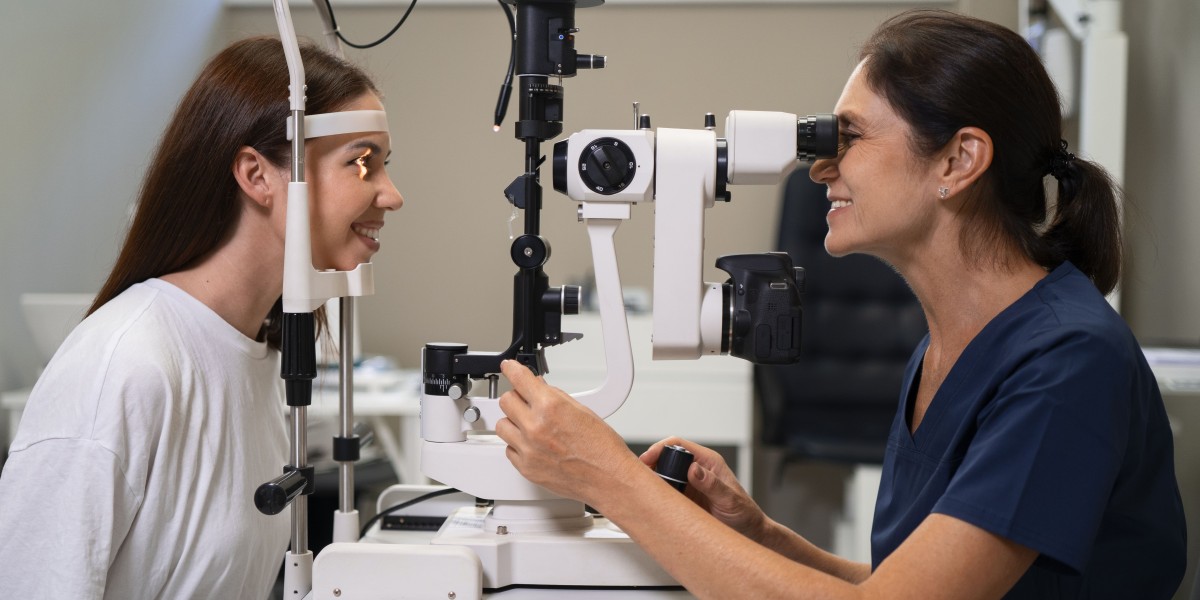

Accurate vision measurement is the foundation of effective eye care. In modern clinics, precise diagnostic data is no longer optional—it is essential for delivering reliable prescriptions, detecting early-stage eye conditions, and ensuring long-term visual comfort for patients. As patient expectations rise and clinical standards become more advanced, the science behind vision measurement continues to evolve.
Understanding how modern clinics achieve high levels of accuracy requires a closer look at the technology, optical principles, and standardized processes that support today’s eye examinations.
Understanding the Basics of Vision Measurement
Vision measurement begins with assessing how light interacts with the eye. When light enters the eye, it passes through the cornea and lens before focusing on the retina. If this focusing process is imperfect, refractive errors such as myopia, hyperopia, or astigmatism occur.
Traditional methods relied heavily on subjective responses—asking patients which lens choice appears clearer. While this approach remains important, it can vary depending on patient communication, fatigue, or environmental conditions. Modern science enhances this process with objective measurement techniques that analyze the eye’s refractive status independently of patient input.
This shift toward objective data is what enables clinics to deliver consistent and repeatable outcomes.
The Role of Optical Physics in Accuracy
At the heart of accurate vision measurement lies optical physics. Refraction—the bending of light as it passes through different media—determines how images form inside the eye. Diagnostic instruments measure how incoming light waves change as they reflect from the retina.
Advanced optical systems use infrared light to evaluate the eye’s focusing power without causing discomfort. By calculating how light is reflected and refracted, these systems determine spherical, cylindrical, and axis values with remarkable precision.
Because these measurements are based on physical light properties rather than subjective answers, they provide a reliable baseline for further clinical refinement.
Objective Technology in Modern Clinics
Modern clinics rely on automated diagnostic devices to enhance measurement accuracy. An auto refractometer plays a critical role in this process by quickly capturing objective refractive data within seconds. It reduces reliance on guesswork and provides a strong starting point for fine-tuning prescriptions.
The value of such technology lies not just in speed, but in repeatability. Consistent readings across multiple measurements indicate reliable data, allowing clinicians to confidently proceed with additional testing or treatment planning.
Objective devices also help standardize results across different operators, ensuring that outcomes are less dependent on individual technique and more aligned with clinical benchmarks.
Minimizing Human Error in Eye Examinations
Human variability is one of the main challenges in traditional vision testing. Patient responses may fluctuate due to tiredness, anxiety, or misunderstanding instructions. Even environmental factors such as lighting conditions can influence results.
Modern diagnostic systems are designed to minimize these variables. Automated alignment systems ensure proper positioning of the patient’s eye, while digital calibration maintains instrument accuracy over time.
By reducing manual adjustments and subjective bias, clinics create a more controlled testing environment. This scientific approach increases confidence in the final prescription and supports consistent visual outcomes.
Data Integration and Clinical Decision-Making
Another scientific advancement in vision measurement is digital data integration. Modern systems often connect with electronic medical records, allowing clinicians to track changes in refractive values over time.
This historical comparison is especially useful for identifying progressive conditions or evaluating treatment effectiveness. For example, consistent shifts in refractive measurements may signal early myopia progression or lens changes that require further investigation.
Accurate measurement, therefore, is not only about immediate prescription clarity—it also contributes to long-term ocular health monitoring.
Enhancing Efficiency Without Sacrificing Precision
Scientific innovation has made it possible to improve examination efficiency while maintaining high accuracy standards. Automated systems reduce the time required for initial measurements, allowing clinicians to dedicate more attention to patient education and detailed assessment.
Shorter testing times also reduce patient fatigue, which can otherwise affect subjective responses. By combining objective data with refined clinical evaluation, modern clinics achieve both speed and precision.
Efficiency in workflow ultimately supports better patient satisfaction and clinic productivity without compromising diagnostic integrity.
Repeatability as a Marker of Scientific Reliability
In clinical science, repeatability is a key indicator of accuracy. If measurements vary significantly each time they are taken, reliability is questionable. Modern vision measurement systems are designed to deliver consistent results across multiple readings.
This repeatability builds trust in the data and allows practitioners to confidently finalize prescriptions. It also ensures that follow-up appointments produce comparable results, making it easier to detect meaningful changes rather than random variations.
Consistent measurement standards elevate the overall quality of care and strengthen clinical credibility.
Supporting Advanced Treatment Planning
Accurate vision measurement is increasingly important as treatment options expand. From specialty contact lenses to refractive surgery consultations, precise baseline data is critical for successful outcomes.
Small measurement inaccuracies can lead to discomfort, adaptation difficulties, or suboptimal visual performance. By relying on scientifically validated measurement techniques, clinics reduce these risks and improve patient satisfaction.
In complex cases—such as irregular corneas or high astigmatism—objective measurement tools provide valuable insights that support more customized treatment decisions.
Building Patient Confidence Through Precision
Patients may not fully understand the technical aspects of vision measurement, but they recognize clarity and comfort. When prescriptions feel accurate and stable, confidence in the clinic grows.
Explaining that modern technology is used to ensure objective and precise evaluation reassures patients that their eye health is being handled with care and scientific rigor. This transparency enhances trust and encourages long-term patient relationships.
The Future of Vision Measurement Science
The science behind accurate vision measurement continues to advance. Artificial intelligence, enhanced optical sensors, and smarter alignment systems are shaping the next generation of diagnostic tools.
As these innovations become more widespread, clinics will benefit from even greater precision, improved data analysis, and faster testing procedures. The combination of optical physics, automation, and digital integration will continue to redefine what accuracy means in eye care.
Conclusion
Accurate vision measurement in modern clinics is rooted in scientific principles, advanced optical technology, and standardized processes. By combining objective diagnostics with professional clinical judgment, practitioners achieve reliable, repeatable, and precise results.
This scientific approach reduces variability, enhances prescription accuracy, and supports long-term eye health management. As technology continues to evolve, the commitment to measurement precision will remain central to delivering high-quality eye care in every clinical setting.