

Unlock the Secrets to Choosing the Perfect DCS Power Supply Unit!
Choosing the right DCS (Distributed Control System) power supply unit is crucial for ensuring the smooth operation and reliability of various applications, particularly in industrial environments. A well-selected power supply can enhance system performance, reduce downtime, and improve overall efficiency. However, many people face challenges when it comes to understanding the technical specifications, compatibility issues, and the sheer variety of options available in the market. This decision is not just about meeting electrical requirements; it can significantly impact the functionality of your control systems and machinery. Whether you are a seasoned engineer or a newcomer to industrial automation, knowing how to navigate the complexities of DCS power supplies is essential for achieving optimal results.
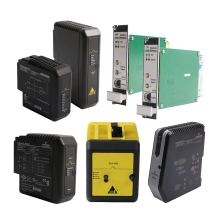
Understanding DCS Power Supply Units
DCS power supply units serve as the backbone of control systems, providing the necessary power to operate various components such as sensors, actuators, and controllers. They are essential in ensuring that all parts of an automated process function harmoniously. These power supplies can be categorized into several types, including linear and switching power supplies, each with its unique characteristics and applications. Linear power supplies are known for their simplicity and low noise, making them suitable for sensitive equipment. On the other hand, switching power supplies offer higher efficiency and compactness, which are beneficial in space-constrained environments. Understanding the various types and their functions is vital for selecting a power supply that meets your specific operational needs.
Key Factors to Consider When Choosing a DCS Power Supply
When selecting a DCS power supply unit, several critical factors must be considered to ensure that it meets your operational requirements. Voltage requirements are paramount; you need to ensure that the power supply can deliver the correct voltage for your system. Similarly, current capacity is essential, as inadequate current can lead to system failures or inefficient operation. Efficiency is another key factor; a power supply that operates efficiently can reduce energy costs and minimize heat generation, which can prolong equipment life. Furthermore, environmental considerations should not be overlooked, especially in harsh industrial settings where factors like temperature and humidity can affect performance. Assessing these factors allows you to choose a power supply that aligns with your specific needs.
Voltage and Current Specifications
Determining the necessary voltage and current specifications starts with understanding the requirements of your system components. Each device in your control system will have specific voltage and current ratings that must be met to function correctly. If you have friends in the engineering field, they might share experiences of costly mistakes that arose from selecting power supplies with incorrect specifications. It's advisable to consult your equipment manuals or manufacturer guidelines to ensure compatibility.
Efficiency and Reliability
Efficiency ratings are crucial indicators of how well a power supply converts input power into usable output power. A highly efficient power supply translates to lower operating costs over time, as less energy is wasted as heat. Moreover, a reliable power supply reduces the risk of failures, which can lead to costly downtimes. Investing in a power supply with a good efficiency rating can significantly enhance system reliability and operational sustainability.
Common Mistakes to Avoid When Selecting a DCS Power Supply
When purchasing a DCS power supply unit, several common mistakes can lead to unsatisfactory outcomes. One prevalent mistake is underestimating load requirements, which can result in a power supply that cannot adequately support the system, leading to failures or inefficiencies. Another frequent oversight is overlooking compatibility with existing systems; not all power supplies are designed to work well with every component. Additionally, failing to consider future expansion needs can also lead to issues down the line. By being aware of these pitfalls, you can make a more informed and successful selection.
Where to Purchase or Request a Quote for DCS Power Supplies
Sourcing DCS power supplies requires careful consideration and evaluation of potential suppliers. It's important to prioritize suppliers with a good reputation for quality and customer service. When requesting a quote, clearly outline your specifications and requirements to receive accurate pricing and product recommendations. Engaging with multiple suppliers can provide a broader perspective on available options and competitive pricing. Additionally, don't hesitate to ask for technical support or guidance to ensure you make the best decision for your needs.
Selecting the Right DCS Power Supply: Key Takeaways
In conclusion, selecting the right DCS power supply unit is a critical task that can significantly influence the performance and reliability of your control systems. Understanding the various types of power supplies, key factors to consider, and common mistakes to avoid will empower you to make an informed choice. Always consider your specific operational needs and seek expert advice when necessary. By doing so, you can ensure that your DCS power supply unit will not only meet your immediate requirements but also support your future growth and efficiency goals.