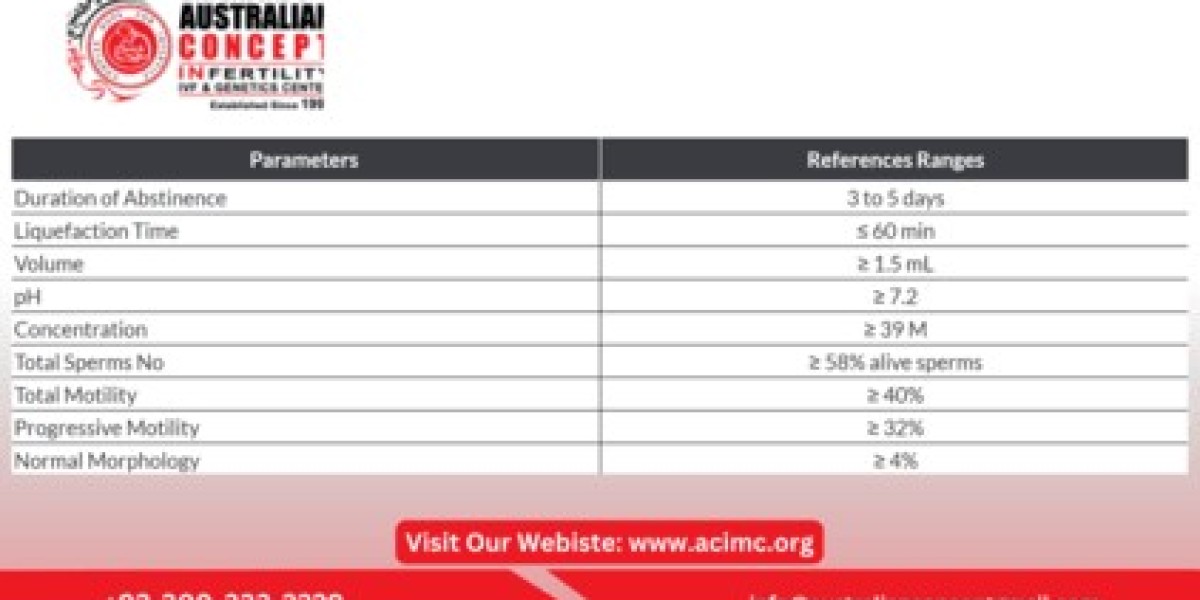

Azoospermia is a medical condition where a man has no measurable sperm in his semen. It is one of the leading causes of male infertility. Couples facing this condition often ask whether treatment can guarantee a successful pregnancy. While treatments can significantly increase the chances, there is no absolute guarantee. Success depends on several medical and lifestyle factors.
What is Azoospermia?
Azoospermia is classified into two main types:
Obstructive Azoospermia (OA):
Sperm is produced normally but cannot reach the semen due to a blockage. Causes may include infections, injury, or congenital conditions.Non-Obstructive Azoospermia (NOA):
In this type, the testicles produce very few or no sperm. Causes include genetic factors, hormonal imbalances, or testicular failure.
Identifying the type of azoospermia is crucial. It determines the treatment method and chances of achieving pregnancy.
How is Azoospermia Diagnosed?
Accurate diagnosis is the first step toward treatment. Common diagnostic methods include:
Semen Analysis: Multiple semen samples are tested to confirm the absence of sperm.
Hormone Testing: Testosterone, FSH, and LH levels are measured to assess testicular function.
Genetic Testing: Helps identify conditions like Y-chromosome microdeletions or Klinefelter syndrome.
Imaging Tests: Ultrasound detects blockages in the reproductive tract.
These tests help fertility specialists plan the most effective treatment.
Treatment Options for Azoospermia
Treatment depends on the type of azoospermia.
1. Surgical Sperm Retrieval
For men with obstructive azoospermia or limited sperm production, sperm can be collected surgically:
Testicular Sperm Extraction (TESE): Sperm is taken directly from the testicular tissue.
Microdissection TESE (Micro-TESE): Used in non-obstructive azoospermia, this precise technique finds rare sperm under magnification.
Percutaneous Epididymal Sperm Aspiration (PESA): A minimally invasive method used in obstructive azoospermia.
Retrieved sperm may be frozen for future use in assisted reproduction.
2. Assisted Reproductive Techniques (ART)
Natural conception is usually not possible with azoospermia. Therefore, procedures like In Vitro Fertilization (IVF) combined with Intracytoplasmic Sperm Injection (ICSI procedure) are used:
ICSI Procedure: A single sperm is injected directly into an egg.
IVF with ICSI: This technique improves the chance of fertilization, even with very few sperm.
These methods have transformed the outlook for men with azoospermia.
Factors Affecting Treatment Success
While treatment improves fertility, several factors influence outcomes:
Type of Azoospermia: Obstructive azoospermia has higher success rates than non-obstructive azoospermia.
Female Partner’s Age: Egg quality declines with age, affecting chances of pregnancy.
Sperm Quality: Motility and morphology of retrieved sperm impact fertilization.
Clinic Expertise: Skilled embryologists and fertility specialists increase success rates.
Underlying Health Conditions: Hormonal disorders, diabetes, or genetic issues may reduce success.
Lifestyle Factors: Smoking, alcohol, obesity, and stress can lower fertility outcomes.
Realistic Expectations
Couples should maintain realistic expectations:
No Absolute Guarantee: Even with advanced treatment, pregnancy cannot be guaranteed. Success rates vary between 30% to 60% per IVF-ICSI cycle depending on multiple factors.
Multiple Cycles May Be Needed: Some couples require more than one cycle to achieve pregnancy.
Emotional Support Matters: The process can be stressful. Counseling and support groups help couples cope.
Success Rates and Outcomes
Many couples achieve pregnancy after azoospermia treatment.
Men with obstructive azoospermia undergoing surgical sperm retrieval and ICSI can have fertilization success rates above 70%, with live birth rates around 40–50% per cycle.
Men with non-obstructive azoospermia may have lower success, but advances in micro-TESE and ART improve outcomes.
Continuous improvements in ART and sperm retrieval techniques are helping more couples achieve parenthood.
Emotional and Psychological Support
The IVF-ICSI journey can be emotionally challenging. Counseling, therapy, and support from family or community help couples manage stress. Emotional well-being improves treatment outcomes and overall satisfaction.
FAQs
1. Can azoospermia be treated naturally?
Natural treatment is usually not possible for azoospermia, especially in cases where sperm production is absent or blocked. Medical interventions like surgical sperm retrieval combined with IVF-ICSI are the most effective solutions.
2. Does azoospermia treatment always result in a baby?
No, azoospermia treatment cannot guarantee pregnancy. Success depends on factors such as the type of azoospermia, female partner’s age, sperm quality, and the expertise of the fertility clinic. Multiple IVF-ICSI cycles may be needed.
3. What is the difference between obstructive and non-obstructive azoospermia in treatment?
Obstructive azoospermia usually has higher success rates because sperm is produced normally but blocked. Non-obstructive azoospermia is more challenging since sperm production is low or absent, requiring advanced techniques like micro-TESE.
4. Can men with azoospermia father a child without using donor sperm?
Yes, in many cases, sperm retrieval techniques such as TESE or micro-TESE allow men to use their own sperm for IVF-ICSI. Success depends on the presence of viable sperm and overall fertility health.
5. How can couples improve their chances of success after azoospermia treatment?
Couples can improve outcomes by maintaining a healthy lifestyle, avoiding smoking and alcohol, managing stress, and ensuring the female partner’s reproductive health is optimal. Choosing a qualified fertility specialist also plays a crucial role.