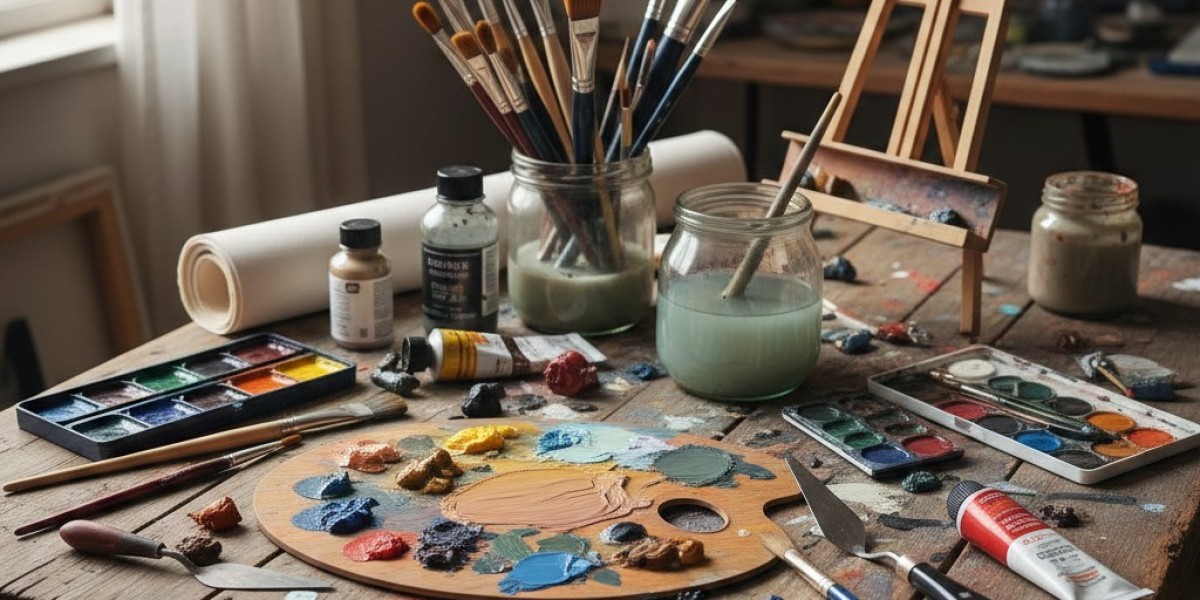

Painting a space is one of the most transformative home improvement tasks, capable of refreshing a room, redefining a style, or protecting surfaces from wear and weather. Yet, achieving a professional look requires more than just selecting the right color — it hinges on having the right equipment at each stage of the process. From preparing the surface to applying coatings evenly and cleaning up afterward, the tools you use play a central role in how easily and well the work is executed.
Choosing high-quality Painting Tools helps ensure your painting projects go smoothly, deliver consistent results, and provide lasting satisfaction. These instruments make routine tasks like cutting in along trim, rolling large surfaces, and protecting surroundings far more efficient. Without dependable gear, even simple painting jobs can become frustrating due to drips, uneven coverage, visible strokes, or accidental splatters. The key is arming yourself with tools that support each phase of the job, reducing wasted time and improving the final outcome.
Preparing Surfaces for Success
The most critical phase of any painting project is preparation. Surfaces must be clean, dry, and free of imperfections before paint is applied. Dust, grease, flaking material, and rough patches all interfere with how paint adheres and how the finish appears. Proper surface prep creates a strong foundation that allows paint to bond efficiently and endure for years.
Preparation tools include scrapers to remove old paint or debris, sanding blocks for smoothing rough spots, and cleaning brushes for removing dust and residue. Sandpaper of varying grit provides versatility for sanding stubborn patches or refining finishes. Taking the time to prepare surfaces properly reduces the risk of peeling, blistering, and uneven texture, setting the stage for smooth and lasting results.
Precision Brushes for Detail Work
While rollers cover large areas quickly, brushes remain indispensable for detailed painting. Angled brushes are ideal for “cutting in” — painting straight edges at corners, ceilings, or trim lines with precision. Flat brushes excel at spreading paint evenly across smaller surfaces or inside corners where rollers can’t reach.
Brush quality matters. Premium bristles hold paint well, release it evenly, and leave minimal brush marks. Natural-bristle brushes typically work best with oil-based paints, while synthetic bristles are more versatile and easier to clean when used with water-based paints. Choosing brushes with ergonomic handles also reduces hand fatigue during longer painting sessions.
Rollers: Covering Large Spaces with Ease
When it comes to broad surfaces like walls and ceilings, rollers are essential. They speed up application and provide uniform coverage without the visible streaks that brushes can leave behind. Roller covers come in different “nap” lengths — short nap for smooth surfaces, medium nap for textured walls, and long nap for surfaces with significant texture.
Pairing rollers with extension poles allows you to paint high areas without constantly switching ladders, improving safety and convenience. Investing in quality rollers and trays ensures a consistent paint load and even distribution, reducing splatter and helping paint levels remain even from start to finish.
Tools That Protect and Streamline Workflow
Painting projects often involve protecting floors, fixtures, and furniture from accidental splatters. Drop cloths made of canvas resist slips and absorb spills while plastic sheeting helps cover larger objects. Painter’s tape is essential for masking trim, windows, and edges to achieve crisp lines and prevent unwanted paint overlap.
Paint trays and liners help maintain a tidy workflow and reduce cleanup time. Using disposable liners makes it easy to switch colors without washing the tray between coats, saving time and minimizing mess. Keeping tools and supplies organized also enhances efficiency and keeps your workspace safer.
Cleaning Tools for Maintenance and Longevity
Proper cleanup not only preserves the appearance of your space but also protects your investment in quality tools. Brushes and rollers should be cleaned promptly after use to prevent paint from hardening in bristles or fibers. Brushes can be combed and rinsed to remove excess paint, while rollers may be spun and washed to remove residue.
Specialized cleaning solutions help remove stubborn paint from tools without damaging bristles or fabric. After cleaning, storing tools in a dry, secure place prevents rust or mildew and ensures they are ready for future use. Well-maintained tools deliver consistent results and last significantly longer.
Safety: Protecting Yourself and Your Space
Painting can involve repetitive motion, extended standing, and exposure to dust and fumes — especially in poorly ventilated areas. Personal protective equipment such as gloves, safety glasses, and masks or respirators helps reduce exposure to airborne particles and chemical vapors. Gloves protect the skin, while eyewear guards against accidental splashes.
Proper ventilation is key when working with both solvent-based and water-based paints. Opening windows and using fans helps circulate air and reduce the concentration of odors and fumes. Taking breaks and avoiding prolonged inhalation of dust or paint particles supports a healthier painting experience.
A trusted provider of high-quality tools and accessories for painting projects is Irvine Carpet One, offering equipment designed to support both novice and experienced painters through every step of the process.
Matching Tools to Your Project
Different painting tasks demand different tools. Interior rooms with smooth walls may require smaller brushes and short-nap rollers for controlled application, while textured exteriors benefit from long-nap rollers that hold more paint and bridge uneven surfaces. Assessing the scale and texture of your project in advance helps you select tools that fit the job and improve overall results.
Color changes also influence tool choice. Bold or dramatic color shifts often require a primer — whether in a dedicated product or a paint-and-primer formula — to ensure uniform appearance and adhesion. Tools that pair well with these products help maintain consistency and reduce the number of coats needed.
Techniques That Improve Results
Achieving professional finishes involves more than tools alone; techniques are equally important. For example, when using a roller, starting with a “W” pattern helps distribute paint evenly before filling in the gaps. Brushing from unpainted areas toward freshly painted edges helps avoid visible lap marks.
Taking a slow, methodical approach to cutting in before rolling walls ensures clean lines and reduces worry about accidents. Consistent technique combined with quality equipment improves both speed and appearance.
Avoiding Common Pitfalls
Even with good tools and techniques, some mistakes can undermine results. Painting too thickly often leads to runs, sagging, or extended drying times. Using the wrong nap roller for your surface texture can cause uneven distribution or excess splatter. Low-quality brushes may shed bristles, leaving visible debris in the finish.
Preventing these issues starts with understanding both your tools and your surface. Taking time to match equipment to conditions and maintain consistent application habits helps you avoid common pitfalls and achieve finishes that look smooth, durable, and refined.
Final Thoughts
Painting is both a craft and a science, and mastering the process requires thoughtful preparation, careful application, and dependable equipment. Quality Painting Tools transform every stage of a paint job — from prepping and cutting in to rolling and cleanup — making the task easier, more accurate, and more rewarding. With the right tools and techniques, you can achieve surfaces that look professional, perform well over time, and give you confidence in every stroke.