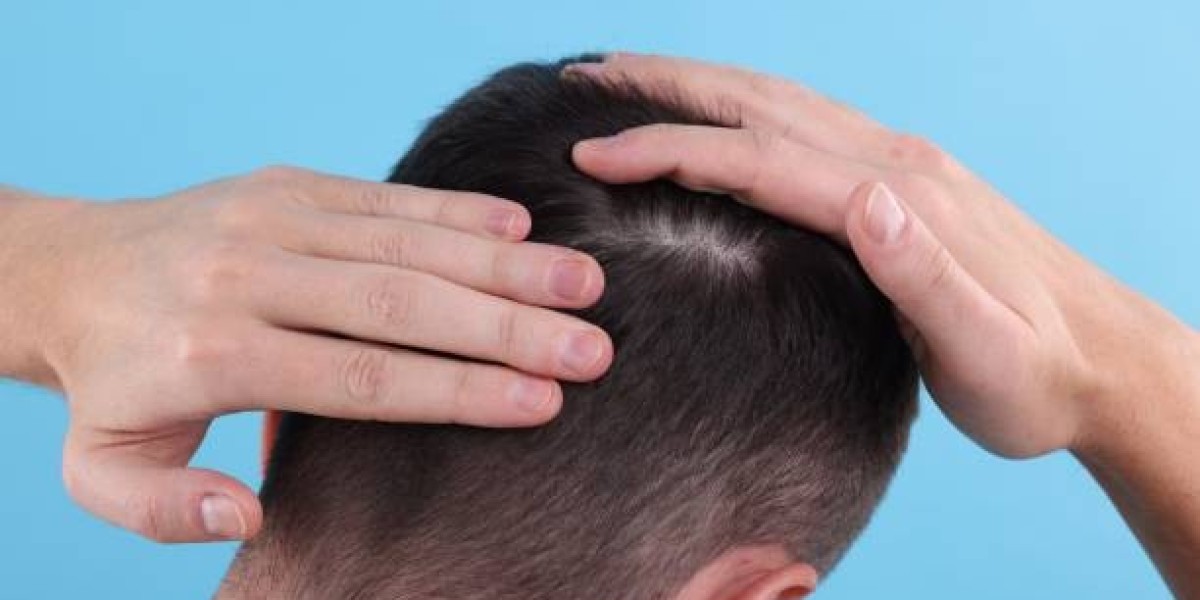

One of the most significant deterrents to hair restoration is the fear of extensive downtime. However, with modern surgical protocols, the acute healing phase of a Crown Hair Transplant in Dubai is remarkably swift. In clinical settings, we observe that the "social downtime"—the period before you can return to public life without obvious signs of surgery—is typically just seven days. By utilizing micro-extraction tools and sapphire implantation blades, we minimize tissue trauma, allowing the scalp’s vascular system to seal the micro-incisions and begin the regeneration process within hours of the procedure.
The Clinical Reality of the 7-Day Healing Window
While the hair itself takes months to grow, the skin's surface recovery is the priority during the first week.
Hours 1–24 (The "Sealing" Phase): The micro-channels begin to close. You may notice tiny "red points" where the grafts were placed.
Days 2–4 (The "Coagulation" Phase): Small, clean crusts form around each follicle. These protect the graft from external bacteria.
Days 5–7 (The "Shedding" Phase): With proper clinical washing, these crusts begin to soften and fall away, revealing the healthy skin beneath.
Day 7 Onward: In clinical settings, we observe that by the end of the first week, the "surgical look" has largely faded, leaving only a slight pinkness similar to a mild sunburn.
How Much Discomfort is Felt During the First Week?
Is the recovery week painful?
Patients generally rate the post-operative discomfort at a 2/10. The most intense sensation occurs during the first 24 hours as the local anesthesia wears off, often described as a "dull ache" or "scalp tightness." Based on post-procedure follow-ups, this is easily managed with standard paracetamol. By day three, most patients report feeling no pain at all, only a "prickly" or "itchy" sensation as the donor area begins to regrow hair.
Who Should Not Expect a Rapid 7-Day Recovery?
Are there factors that slow down healing?
In clinical settings, we screen for factors that might extend the recovery timeline. Patients with poorly controlled diabetes or those who continue to smoke heavily during the first week may experience slower wound closure and prolonged redness. Additionally, if you have a history of significant "edema" (swelling), the fluid may take up to 10 days to fully dissipate from the forehead or neck area. We also advise a longer rest period for those whose work involves heavy physical exertion or exposure to dusty environments.
Step-by-Step Patient Sensations: The First 7 Days
Navigating the first week requires an understanding of what is "normal" versus what requires clinical attention.
Day 1: The scalp feels "wooden" and heavy. You may hear a "squishing" sound when moving your head—this is just the residual saline and is perfectly normal.
Day 3: The "Tightening." As the scabs dry, the skin feels stretched. This is the peak time for localized itching.
Day 5: The "Softening." As you begin the clinical washing routine, the scabs start to feel "loose." You will feel a sense of relief as the skin begins to breathe.
Day 7: The "Reveal." Most scabs are gone. The crown looks like it has "stubble," and the donor area at the back is already becoming invisible.
Why Choose Tajmeels Clinic for a Swift Recovery?
At Tajmeels Clinic, we prioritize "Low-Trauma Techniques" to ensure your Crown Hair Transplant in Dubai doesn't disrupt your life. We use Sapphire FUE technology, which creates channels 30% smaller than traditional steel blades, leading to faster wound closure. Our post-operative protocol includes "Oxygenated Saline Sprays" to accelerate cell regeneration. By choosing Tajmeels Clinic, you are choosing a clinical team that values your time and provides the advanced aftercare necessary to get you back to your professional and social commitments within a single week.
Genuine Patient Perspectives
"I took a week off work, thinking I'd be in bandages the whole time. At Tajmeels, they had me washing my hair on day two. By day six, the scabs were basically gone. I went back to the office on Monday and nobody even asked if I’d had anything done. It was much faster than I expected." — Omar
"The team at Tajmeels was so helpful. They explained that the itching on day four was a good sign that the skin was healing. It felt a bit 'tight' to sleep the first two nights, but by day seven, my scalp felt totally normal. I’m glad I didn't wait longer." — Faisal
Frequently Asked Questions
When can I go back to the gym?
In clinical settings, we advise avoiding heavy lifting or "straining" for 14 days to prevent blood pressure spikes.
Can I wear a hat on Day 8?
Yes, you can usually wear a loose-fitting cap or surgical hat once the scabs have shed (typically by day 7–10).
Does the 7-day recovery mean the hair is growing?
No. The skin is healed, but the hair follicles will go into a "resting phase" before growing permanently in 3 to 4 months.
How do I stop the itching in the first week?
We provide a specialized cooling spray and advise against scratching, as this can dislodge the new grafts.
Will there be swelling in my face?
Some patients experience minor swelling that moves from the forehead to the eyes, but this usually resolves by Day 5.
Can I travel or fly after 7 days?
Yes. By Day 7, the grafts are "anchored" enough that cabin pressure and travel are perfectly safe.