

Unlock the Secrets of Soup Bowls: Discover Their Unique Uses and Care Tips!
Soup bowls play a vital role in enhancing our culinary experiences, serving not just a functional purpose but also adding an aesthetic touch to our meals. With a diverse range of materials and styles available, these bowls cater to various tastes and occasions. Beyond serving soup, they can be versatile vessels for salads, snacks, and even desserts, making them an essential part of dining ware. In this article, we will delve into the unique characteristics of different types of soup bowls and share some valuable care tips to ensure they remain a staple in your kitchen for years to come.
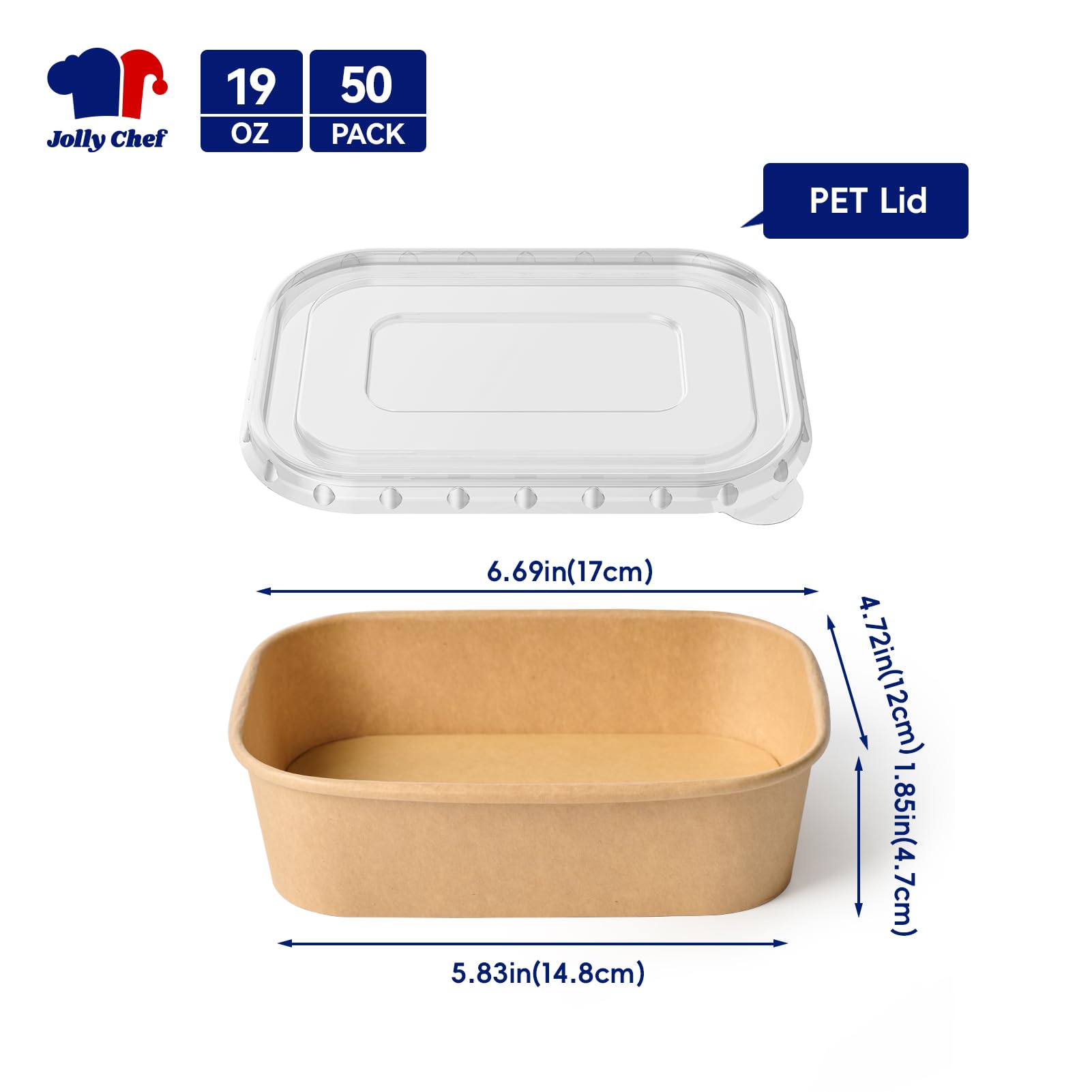
Types of Soup Bowls
When it comes to soup bowls, the options are plentiful, each type bringing its own flair and functionality to the table. Ceramic bowls are a favorite among many, renowned for their heat retention and aesthetic appeal. Glass bowls offer a modern twist, allowing diners to appreciate the vibrant colors of their meals. For casual settings, plastic bowls are lightweight and durable, perfect for outdoor gatherings. Lastly, wooden bowls bring a rustic charm that resonates with the eco-conscious. Each type not only serves soup but also influences the overall dining experience in unique ways.
Ceramic Soup Bowls
Ceramic soup bowls are beloved for their ability to retain heat, ensuring that your soup remains warm throughout the meal. Their aesthetic appeal is unmatched, often available in a variety of designs that reflect cultural significance—from traditional patterns to modern minimalist styles. A friend of mine recently hosted a dinner party featuring homemade soups served in beautifully hand-painted ceramic bowls, which not only elevated the meal but also sparked conversation among guests about their artistry.
Glass Soup Bowls
Glass soup bowls provide a unique advantage with their transparency, allowing diners to see the vibrant colors and textures of the contents. This makes them especially suitable for occasions where presentation matters, such as buffets or family gatherings. They are also easy to clean, making them a practical choice for everyday use. I remember using glass bowls at a picnic, where their clarity showcased a colorful vegetable soup that was a hit among my friends.
Plastic Soup Bowls
Plastic soup bowls are the epitome of practicality, known for their durability and lightweight nature. They are perfect for casual settings and outdoor dining, where breakage might be a concern. While they may lack the elegance of ceramic or glass, their convenience cannot be overstated. I often take plastic bowls on camping trips, where they’ve proven to be both functional and easy to pack.
Wooden Soup Bowls
Wooden soup bowls are not only charming but also eco-friendly, appealing to those who prioritize sustainability. They are often handcrafted, adding a unique touch to each piece. However, wooden bowls require special care to maintain their beauty; they should be washed by hand and thoroughly dried to prevent warping. A friend of mine gifted me a wooden bowl, and with the right care, it has become a cherished item in my kitchen, often used for serving hearty stews and salads.
Unique Uses of Soup Bowls
The versatility of soup bowls extends far beyond their traditional use. They can serve as elegant containers for salads, allowing for a beautiful presentation of greens and toppings. At casual gatherings, they can hold snacks like popcorn or chips, encouraging guests to help themselves. Furthermore, soup bowls can also be suitable for desserts, such as ice cream or fruit compote, making them a multi-functional addition to your dining experience. I once attended a brunch where mini soup bowls were used to serve individual servings of fruit salad, adding a playful touch to the meal.
Care Tips for Maintaining Soup Bowls
Proper care is essential for maintaining the beauty and functionality of your soup bowls, regardless of the material. For ceramic bowls, avoid drastic temperature changes to prevent cracking and wash them gently by hand. Glass bowls, while durable, should be handled with care to avoid breakage; they are usually dishwasher safe but check for compatibility. Plastic bowls can be easily cleaned in the dishwasher, but make sure they are labeled as dishwasher-safe to prevent warping. Wooden bowls require a different approach—wash them by hand with mild soap and avoid soaking. Regularly oiling wooden bowls can help maintain their luster and prevent drying. Following these care tips can ensure your soup bowls remain a beloved part of your kitchen for many meals to come.
Embracing the Versatility of Soup Bowls
In summary, soup bowls are more than just vessels for soup; they are versatile, functional, and an integral part of our dining experiences. From ceramic to glass, plastic to wood, each type of soup bowl brings something unique to the table. Understanding how to care for them will not only extend their life but also enhance their beauty. As you explore the diverse world of soup bowls, I encourage you to appreciate their varied uses and enjoy the warmth and comfort they bring to your culinary adventures.