

Unlocking the Secrets of the 2N4401 Transistor: Discover Its Hidden Powers!
The 2N4401 transistor is a staple component in the world of electronics, revered for its versatility and reliability. As a general-purpose NPN bipolar junction transistor, it plays a crucial role in various electronic circuits, enabling everything from simple switches to complex amplifiers. In this article, we will delve deep into the specifications, applications, and characteristics of the 2N4401 transistor. Whether you're a seasoned engineer or a budding hobbyist, understanding this component's capabilities will enhance your projects and boost your confidence in circuit design.
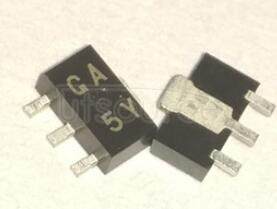
Overview of the 2N4401 Transistor
The 2N4401 transistor is classified as a general-purpose NPN transistor, widely used for amplification and switching in electronic circuits. One of its key features is its ability to handle moderate currents and voltages, making it an ideal choice for various applications. This transistor is characterized by its robust construction, allowing it to function effectively in diverse environments. The 2N4401, with its compact size, is particularly favored in consumer electronics, automotive applications, and even in hobbyist projects. Its popularity is a testament to its reliability and ease of use, making it a go-to component for both professionals and amateurs alike.
Specifications of the 2N4401 Transistor
Understanding the specifications of the 2N4401 transistor is essential for effectively integrating it into your circuits. Here are some key electrical specifications:
| Parameter | Value |
|---|---|
| Maximum Collector-Emitter Voltage (Vce) | 40V |
| Collector Current (Ic) | 600mA |
| Power Dissipation (Pd) | 625mW |
| DC Current Gain (hFE) | 100 to 300 |
The maximum collector-emitter voltage of 40V allows the 2N4401 to be utilized in various voltage-sensitive applications without the risk of breakdown. Its collector current rating of 600mA ensures that it can drive moderate loads, while the power dissipation of 625mW makes it suitable for compact designs where thermal management is a concern. Additionally, the DC current gain (hFE) ranging from 100 to 300 means it can effectively amplify weak signals, making it a versatile choice for both amplification and switching tasks.
Applications of the 2N4401 Transistor
The 2N4401 transistor finds its utility in a multitude of applications, making it an essential component in the electronics toolkit. One of its common uses is in amplifier circuits, where it can boost audio signals for better sound quality. For instance, in a classic audio amplifier project that a friend of mine recently built, he utilized the 2N4401 to ensure that the sound output was both powerful and clear.
Moreover, the transistor also serves as a switch in various electronic devices. In automated systems, it can control larger loads by acting as a gate, allowing small control signals to manage devices such as motors, lights, and relays. Its implementation in signal processing circuits enhances the performance of radio frequency applications, where it can be used for modulation and demodulation tasks.
In addition to these applications, the 2N4401 is commonly used in oscillators, timing circuits, and as a part of feedback loops in control systems. Its versatility makes it a favorite among electronics enthusiasts and professionals alike, as it can be adapted to serve multiple roles within a single circuit.
Characteristics of the 2N4401 Transistor
The characteristics of the 2N4401 transistor play a significant role in determining its performance in various applications. One important characteristic is its DC current gain, denoted as hFE, which typically ranges from 100 to 300. This parameter indicates how effectively the transistor can amplify a small input current into a larger output current. A higher hFE means better amplification capabilities, which is crucial in audio and radio frequency applications.
Another vital characteristic is the frequency response of the 2N4401, which allows it to function effectively at different frequencies, making it suitable for both low and high-frequency applications. Its thermal stability is also noteworthy; the transistor is designed to operate reliably over a range of temperatures, ensuring consistent performance even in challenging environments. Understanding these characteristics not only aids in selecting the right transistor for a specific application but also helps in optimizing circuit design for improved efficiency and reliability.
Final Thoughts on the 2N4401 Transistor
In summary, the 2N4401 transistor is a powerful and versatile component that plays a significant role in modern electronics. By understanding its specifications, applications, and characteristics, you can effectively incorporate it into your designs, enhancing both functionality and performance. Whether you're building a simple circuit or a complex device, the knowledge of how to utilize the 2N4401 can significantly impact your project's success. Embracing this essential electronic component will not only empower your projects but also deepen your understanding of the fascinating world of electronics.