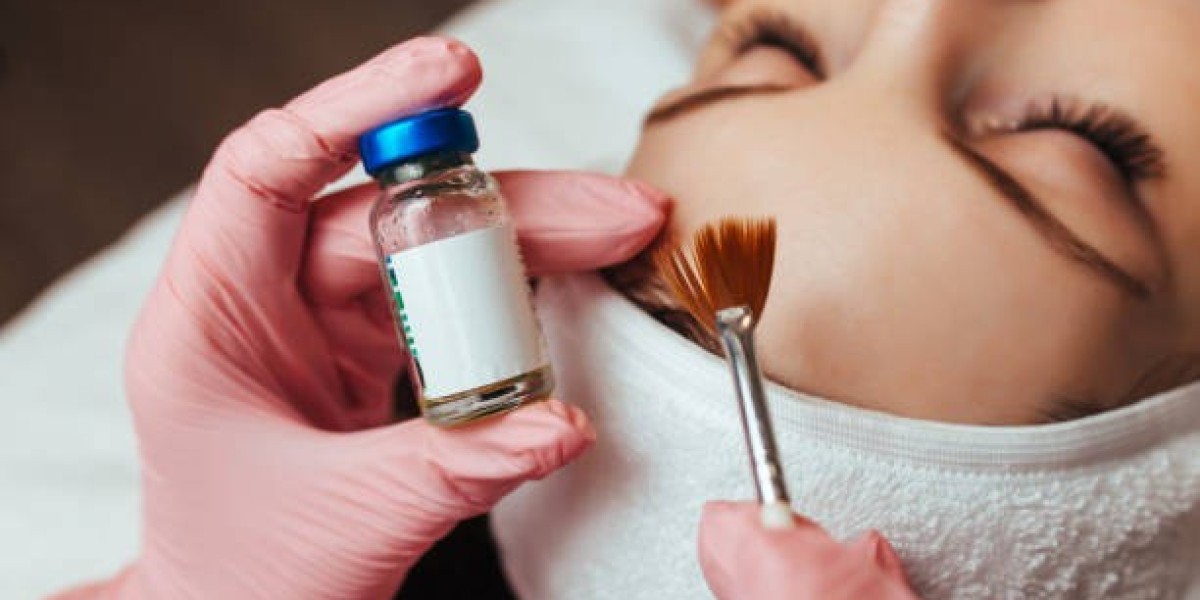

Managing excessive sebum production is a constant challenge in the humid, high-temperature environment of the UAE. For those seeking Chemical Peels in Dubai, the clinical objective for oily skin is more than just surface degreasing; it is about "Sebum Regulation." In clinical settings, we observe that oily skin types often suffer from a thickened stratum corneum, which traps oil and leads to persistent congestion and enlarged pores. A professional peel utilizes lipophilic (oil-attracted) acids to penetrate the follicular unit, dissolving the "glue" that holds oil and dead skin together. This process not only provides an immediate matte finish but also retrains the sebaceous glands to operate more efficiently
How Do Chemical Peels in Dubai Target Overactive Oil Glands?
The effectiveness of a peel for oily skin depends on its ability to bypass the skin's natural oil barrier to reach the pore.
Lipophilic Action: Certain acids are specifically attracted to oil, allowing them to travel down into the pore rather than sitting on the water-based surface of the skin.
Follicular Clearing: The peel dissolves the "keratin plug" that causes whiteheads and blackheads, allowing oil to flow freely to the surface instead of getting trapped.
Pore Refinement: By removing the debris that stretches the pore walls, the pores can naturally "shrink" back to their original size.
Bacteriostatic Properties: In clinical settings, we observe that oily-skin peels often have an antibacterial effect, reducing the C. acnes bacteria that thrive in oily environments.
Which Acid Profiles are Best for Oily Skin?
Practitioners typically select "Beta" hydroxy acids or specific "Alpha" blends that are known for their deep-cleaning capabilities.
Salicylic Acid (BHA): The "Gold Standard" for oily skin. It is the only acid that is truly oil-soluble, making it the most effective for deep pore detoxification.
Mandellic Acid: Derived from bitter almonds, it has a larger molecular size and natural antibacterial properties, making it ideal for oily skin that is also sensitive.
Glycolic Acid: Used in clinical settings to thin out the thickened surface of oily skin, preventing the "buildup" that leads to congestion.
Pyruvic Acid: An alpha-keto acid that has been shown to significantly reduce sebum levels and improve the appearance of oily-skin "shininess."
What are the Real Patient Sensations During an Oily Skin Peel?
Based on post-procedure follow-ups, patients with oily skin often have a higher "tolerance" for peels, but the sensory experience is still quite active.
The Intense Degrease: Because your skin has more natural oil, the prep phase is very thorough. You will feel a cold, stripping sensation as the practitioner ensures the skin is perfectly "dry."
The "Active" Effervescence: As the Salicylic acid is applied, you will feel a localized tingling. Patients often describe it as "fizzy" or "bubbly" on the skin.
The Neutralizing Cool: Once the treatment is complete, a cooling agent is applied. The transition from the "spicy" tingle to a cold compress is the most relieving part of the session.
The Matte Tightness: Immediately after the peel, your skin will feel "squeaky clean" and very tight—a sensation many oily-skinned patients find very satisfying.
[Image showing the skin surface before and after an oily skin chemical peel]
What are the Realistic Recovery Expectations?
How Long Does the "Matte Effect" Last?
In clinical settings, we observe an immediate reduction in shine that lasts for several weeks. However, the visible "peeling" phase depends on the strength of the acid used.
Day 1–2: The skin looks significantly less oily and more "velvet-like." You may notice that your makeup stays on much longer.
Day 3–5: Minor flaking may occur, particularly in areas where you have the most congestion (like the T-zone).
Day 7: The pores look visibly smaller and more refined. The skin’s texture is smoother and the "greasy" look is replaced by a healthy glow.
Who Should Be Cautious of Oily Skin Peels?
Are There Risks for Combination or Dehydrated Oily Skin?
Safety is paramount even when dealing with "tough" oily skin. If the skin is "Oily but Dehydrated," a strong BHA peel can cause temporary irritation.
Over-Processed Skin: If you are already using high-strength Salicylic acid washes or "drying" acne creams at home, you must pause them 3 days before your session.
Post-Gym Sensitivity: If you have just had an intense workout and your pores are dilated, the peel may penetrate more deeply than intended.
Accutane History: Patients who have recently finished oil-controlling medications must wait 6 months before having a professional peel.
Sun Exposure: Even though oily skin feels "thick," it is still vulnerable to UV damage post-peel. SPF 50+ is mandatory to prevent dark spots.
Real Patient Experiences
"I’ve struggled with a shiny face my whole life in Dubai. After a Salicylic peel at Tajmeels, my skin felt 'matte' for the first time. I don't even need blotting paper anymore." — Youssef
"The best part wasn't just the oil control; it was how my blackheads just disappeared after the second session. My skin feels so much lighter." — Lina
Why Choose Tajmeels Clinic for Oily Skin Management?
At Tajmeels Clinic, we understand that oily skin in the desert requires a specific clinical balance. We don't believe in "stripping" the skin, which can cause "rebound oiliness." Instead, our Senior Practitioners utilize a "Lipid-Balance" approach, selecting peels that clear the pores while maintaining the skin’s essential hydration. We often combine our oily-skin peels with medical-grade "Oxygen Therapy" to kill anaerobic bacteria and refresh the complexion. By choosing Tajmeels, you are choosing a clinical partner that provides long-term solutions for oil control, ensuring your skin stays clear, matte, and healthy throughout the year.
FAQs About Oily Skin Peels
Will a peel make my skin produce more oil?
No. While "over-stripping" can cause a temporary oil spike, professional peels are designed to regulate the sebaceous glands for long-term balance.
How many sessions do I need for pore reduction?
In clinical settings, we observe that 3 to 4 sessions are usually required to see a permanent refinement in pore size.
Can I get a peel if I have active "pus" pimples?
Yes! Salicylic acid peels are excellent for active acne as they are antibacterial and help to dry out active lesions quickly.
Is it normal to "break out" after a peel?
Sometimes a "purge" occurs as the peel pushes trapped oil to the surface. This is a good sign that your pores are being cleared and usually lasts only a few days.
Can I use "oil-free" makeup immediately after?
We recommend waiting at least 24 hours to let the pores breathe and the skin barrier stabilize.
Does it help with "blackheads" on the nose?
Yes, chemical peels are one of the most effective ways to clear and prevent "strawberry nose" or deep-seated blackheads.