

Unleashing the Power of Darlington Transistors: Unlocking Secrets to Amplification Magic!
Transistors are the backbone of modern electronics, acting as the building blocks for everything from simple circuits to complex devices. Among the various types of transistors, the Darlington transistor stands out due to its unique configuration and exceptional performance. A Darlington transistor consists of two bipolar junction transistors (BJTs) connected together, which allows it to provide a high current gain. This article aims to delve deeper into the world of Darlington transistors, exploring their applications, benefits, and the underlying principles that make them such a vital component in electronic design.
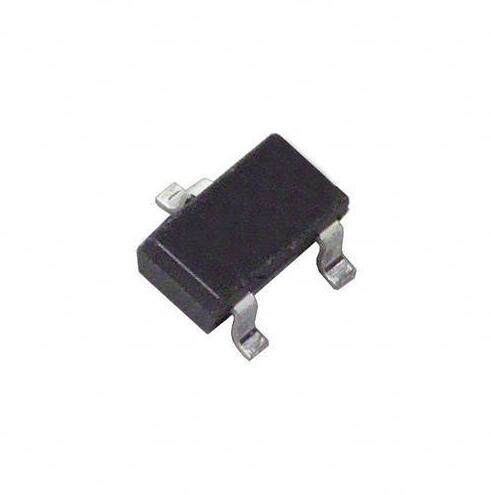
Understanding Darlington Transistors
A Darlington transistor features a distinctive structure that sets it apart from standard transistors. It comprises two transistors arranged in a cascaded configuration, where the emitter of the first transistor is connected to the base of the second. This arrangement amplifies the current more significantly than a single transistor could achieve. The first transistor acts as a current amplifier, which feeds into the second transistor, resulting in a combined current gain that can be thousands of times greater than that of a single transistor. This two-transistor configuration is what makes the Darlington transistor especially useful in applications requiring substantial amplification.
Applications of Darlington Transistors
Darlington transistors find their place in a wide range of applications across various electronic devices. One common use is in audio amplifiers, where they help boost the audio signals for better sound quality. They’re also prevalent in switching circuits, allowing for precise control of larger currents with minimal input. Motor drivers, which control the speed and direction of motors, often utilize Darlington transistors due to their high current handling capabilities. In my friend’s DIY robotics project, he relied heavily on Darlington transistors to efficiently manage the motors, showcasing their practical application in everyday electronics. From simple home appliances to industrial machinery, the versatility of Darlington transistors makes them indispensable.
Benefits of Using Darlington Transistors
The benefits of utilizing Darlington transistors are numerous. One of the primary advantages is their high current gain, which allows for efficient amplification even with low input signals. This feature is particularly beneficial for battery-powered devices, as it helps prolong battery life by requiring less power for operation. Additionally, Darlington transistors exhibit excellent thermal stability, ensuring reliable performance under varying temperature conditions. However, it's essential to note some limitations, such as a slower switching speed compared to standard transistors and a higher output saturation voltage, which may affect their performance in certain high-speed applications. Nevertheless, their efficiency and reliability often outweigh these downsides, making them a favored choice among engineers and hobbyists alike.
How Darlington Transistors Work
To understand how Darlington transistors operate, it's crucial to examine their input and output characteristics. When a small input current is applied to the base of the first transistor, it produces a larger current at its collector. This amplified current serves as the input for the second transistor, which further amplifies the current. Visually, if you were to diagram this process, you would see the input current flowing into the first transistor, resulting in a significantly larger output current from the second transistor. This cascading effect is what enables Darlington transistors to achieve such high levels of amplification. Personal experiences shared by friends who have built circuits using these transistors often highlight the simplicity of integrating Darlington configurations into their designs, thanks to their straightforward operational principles.
Significance of Darlington Transistors in Electronics
In summary, Darlington transistors are powerful components that play a critical role in modern electronics. Their unique two-transistor configuration allows for remarkable current amplification, making them invaluable in various applications, from audio systems to motor control circuits. While they come with certain limitations, the advantages they offer in terms of efficiency and reliability make them a staple in electronic design. As technology continues to evolve, exploring the many uses and designs of Darlington transistors opens up exciting possibilities for innovation in electronics.