
Boats used for commercial purposes operate in demanding environments every day. They face constant exposure to saltwater, algae, oil residue, bird droppings, and harsh weather conditions. Over time, these elements can affect the appearance, safety, and performance of the vessel. This is why Commercial Boat Cleaning is an essential part of marine maintenance for businesses such as charter services, fishing fleets, ferry companies, and tourism operators.
Professional boat cleaning involves much more than simply washing the surface with water. It requires specialized tools, proven cleaning methods, and strict industry standards designed specifically for marine environments. Proper cleaning helps remove harmful buildup, protects surfaces from corrosion, and maintains the professional appearance of the vessel.
Commercial boat operators rely on cleaning professionals to keep their vessels in excellent condition while following environmental and safety guidelines.
Why Commercial Boat Cleaning Is Essential
Boats operating in commercial environments experience much heavier use than recreational vessels. They may carry passengers daily, transport goods, or operate in rough coastal waters. These activities expose the vessel to dirt, salt, and marine organisms that can accumulate quickly.
One of the biggest threats to a boat’s condition is saltwater exposure. Salt can leave mineral deposits on surfaces, which may eventually cause corrosion. For example, metal railings, screws, and engine components can begin to rust if salt buildup is not removed regularly.
Another issue is marine growth. Algae, barnacles, and other organisms can attach themselves to the hull of the boat. This growth increases drag in the water, which can reduce fuel efficiency and affect performance.
Professional cleaning removes these harmful substances and helps maintain the boat’s structural integrity. It also keeps the vessel looking clean and professional, which is important for businesses that rely on customer satisfaction.
Common Areas That Require Regular Cleaning
Commercial boats contain several areas that require regular cleaning and maintenance. Each area faces different challenges due to exposure to water, sunlight, and human activity.
Hull Cleaning
The hull is the lower part of the boat that remains in direct contact with water. Because of this constant exposure, marine growth can develop quickly on the surface. Algae, barnacles, and slime can attach to the hull and reduce the boat’s efficiency.
Professional cleaning teams use specialized tools to remove these organisms without damaging the boat’s surface. For example, divers may clean the hull underwater while the boat is docked. Removing this buildup helps the boat move smoothly through the water and improves fuel efficiency.
Deck and Exterior Surfaces
The deck is one of the busiest areas of the boat. Passengers and crew members walk across it regularly, and it is constantly exposed to sunlight, rain, and sea spray.
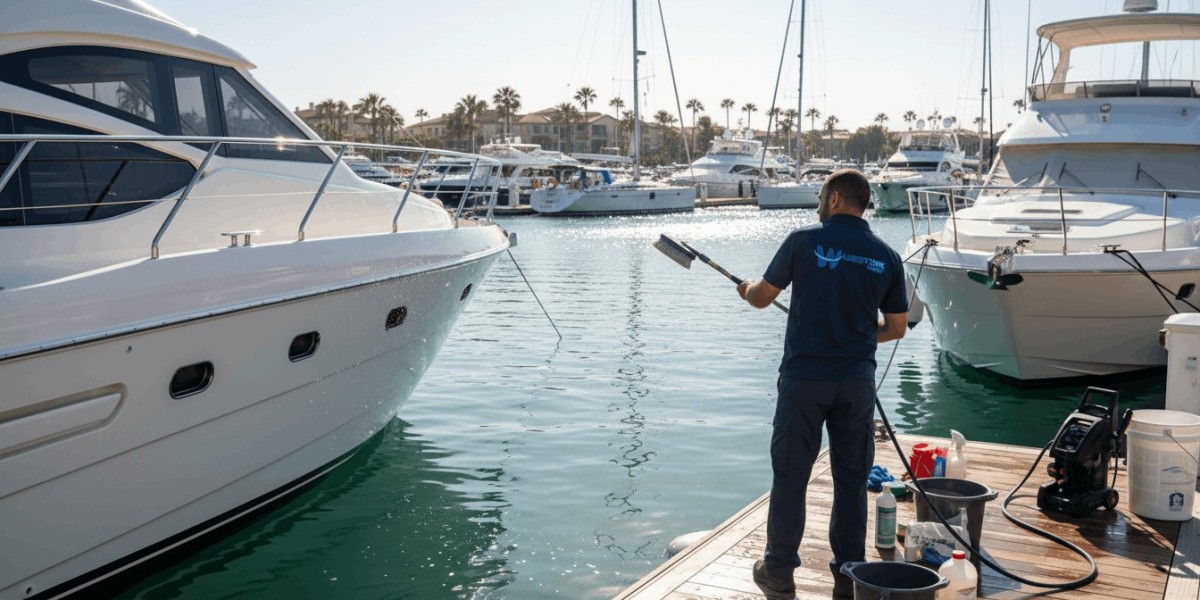
Salt residue, dirt, and spills can accumulate on the deck over time. Cleaning crews remove these materials using brushes and marine-safe cleaning solutions. Regular deck cleaning helps prevent slippery surfaces and keeps the area safe for passengers.
Interior Cabins and Passenger Areas
Commercial boats often include interior spaces such as cabins, seating areas, kitchens, and restrooms. These areas require regular cleaning to maintain hygiene and comfort.
Cleaning teams vacuum carpets, wipe surfaces, disinfect bathrooms, and remove odors. For example, tour boats that carry passengers throughout the day must maintain clean seating areas to provide a pleasant experience.
Windows and Glass Surfaces
Boat windows are frequently exposed to salt spray and water spots. These stains can reduce visibility and affect the appearance of the vessel.
Professional cleaners use non-abrasive products to remove stains and restore clarity. Clean windows improve both safety and aesthetics.
Essential Tools Used in Commercial Boat Cleaning
Professional boat cleaning requires specialized tools designed for marine environments. These tools help remove dirt and marine growth while protecting delicate surfaces.
Pressure Washers
Pressure washers are one of the most common tools used in boat cleaning. They use high-pressure water to remove dirt, algae, and salt buildup from the hull and deck.
For example, a pressure washer can quickly clean large exterior surfaces without requiring excessive scrubbing. However, professionals adjust the pressure carefully to avoid damaging paint or fiberglass surfaces.
Marine-Grade Brushes and Scrubbers
Special brushes and scrubbers are designed for cleaning boats without scratching the surface. These tools help remove stubborn stains and marine growth.
Soft-bristle brushes are often used on fiberglass surfaces, while stronger brushes may be used on metal areas. Choosing the correct brush ensures effective cleaning while protecting the boat’s finish.
Cleaning Solutions and Detergents
Marine cleaning solutions are specially formulated to remove salt, grease, and algae. Unlike regular household cleaners, these products are safe for marine materials and environmentally friendly.
For example, biodegradable detergents are often used to prevent pollution in waterways. These products break down naturally and do not harm marine life.
Polishing and Buffing Machines
Polishing machines help restore shine to fiberglass and painted surfaces. Over time, exposure to sunlight and saltwater can make surfaces look dull.
Buffing machines apply polishing compounds that remove oxidation and restore the boat’s original appearance. This process not only improves aesthetics but also adds a protective layer to the surface.
Effective Methods Used in Professional Boat Cleaning
Professional cleaners follow specific methods to ensure safe and effective results. These techniques are designed to remove buildup while protecting the boat’s materials.
Freshwater Rinsing
Rinsing the boat with fresh water is one of the simplest but most important cleaning steps. Freshwater removes salt deposits and prevents corrosion.
For example, many commercial boats are rinsed with fresh water after every trip. This quick process helps prevent salt buildup between deeper cleaning sessions.
Soft Washing Techniques
Soft washing involves using low-pressure water combined with cleaning solutions to remove dirt and stains. This method is ideal for delicate surfaces such as fiberglass and painted areas.
Soft washing protects the boat’s finish while effectively removing contaminants.
Hull Scrubbing and Marine Growth Removal
Removing marine growth from the hull requires careful scrubbing with specialized tools. Professional cleaners often use underwater cleaning techniques or lift the boat out of the water for thorough cleaning.
This process removes barnacles and algae without damaging protective coatings on the hull.
Polishing and Waxing
Polishing and waxing are important steps in boat maintenance. Polishing removes oxidation and restores shine, while waxing adds a protective barrier against saltwater and sunlight.
For example, applying marine wax can help protect the boat’s paint from fading and damage.
Industry Standards for Commercial Boat Cleaning
Professional boat cleaning companies follow strict industry standards to ensure safety, quality, and environmental responsibility.
Environmental Protection Guidelines
Cleaning products used in marine environments must meet environmental regulations. Many regions require biodegradable cleaning solutions to prevent water pollution.
Professional cleaning teams follow these guidelines to protect marine ecosystems while performing their work.
Safety Procedures for Cleaning Staff
Cleaning commercial boats can involve working on wet surfaces, using heavy equipment, and handling cleaning chemicals. Safety procedures help protect workers from accidents.
For example, cleaning staff often wear protective gloves, non-slip shoes, and safety harnesses when working on large vessels.
Compliance with Marina Regulations
Many marinas and docks have specific rules regarding boat cleaning activities. These regulations may include restrictions on chemicals, waste disposal methods, and cleaning locations.
Professional cleaning companies understand these regulations and ensure their work complies with local rules.
Quality Control and Inspection
Reputable cleaning companies perform inspections after completing their work. This ensures that all areas have been cleaned properly and that the vessel meets professional standards.
Quality control helps maintain consistent service and customer satisfaction.
Benefits of Hiring Professional Boat Cleaning Services
Commercial boat operators gain several advantages by hiring professional cleaning services.
First, professionals have the experience and equipment needed to clean boats safely and efficiently. They understand the unique challenges of marine environments and know how to protect sensitive surfaces.
Second, regular cleaning extends the lifespan of the boat. Removing salt and marine growth prevents corrosion and structural damage.
Third, a clean vessel creates a positive impression for passengers and clients. Businesses that rely on tourism or charter services benefit from maintaining a professional appearance.
Finally, professional cleaning helps ensure compliance with environmental and safety regulations.
Tips for Maintaining Boats Between Professional Cleanings
Boat owners and crews can take simple steps to maintain cleanliness between professional services.
For example, rinsing the boat with fresh water after each trip removes salt deposits. Crew members can also wipe down surfaces, remove trash, and clean small spills.
These small habits help reduce buildup and make professional cleaning more effective.
Conclusion
Maintaining a commercial boat requires regular care, proper tools, and professional expertise. Commercial Boat Cleaning ensures that vessels remain safe, efficient, and visually appealing despite constant exposure to harsh marine environments.
Using specialized tools such as pressure washers, marine brushes, and polishing machines, professional cleaning teams remove salt deposits, marine growth, and stubborn stains. By following industry standards and environmentally responsible practices, cleaning professionals help protect both the boat and the surrounding waterways. Reliable marine vessel maintenance, professional hull cleaning services, and expert boat detailing solutions ensure that commercial boats continue to operate safely and efficiently for years to come.
FAQs
1. What is commercial boat cleaning?
Commercial boat cleaning refers to professional services that maintain the cleanliness and condition of boats used for business operations.
2. What tools are commonly used in boat cleaning?
Common tools include pressure washers, marine brushes, biodegradable cleaning solutions, and polishing machines.
3. How does hull cleaning improve boat performance?
Removing marine growth from the hull reduces drag, which helps improve speed and fuel efficiency.
4. Are boat cleaning products environmentally safe?
Many professional cleaning companies use biodegradable products designed to protect marine ecosystems.
5. How often should commercial boats be cleaned?
Most commercial boats should be cleaned weekly, with deeper cleaning performed monthly depending on usage and environmental conditions.