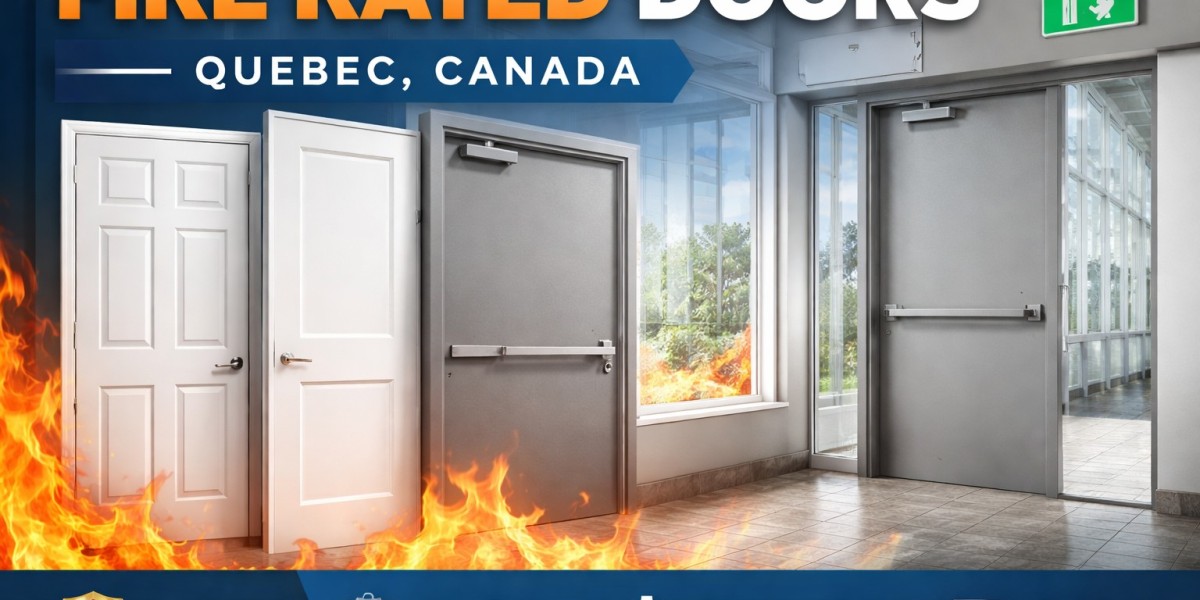

Fire safety is one of the most important considerations in modern building design across Canada. Whether for residential homes, apartment buildings, commercial properties, or institutional facilities, fire protection systems are essential for protecting both lives and property. Among the many safety features required by Canadian building regulations, fire-rated doors play a crucial role in controlling the spread of fire and smoke inside buildings. One popular option used in many projects today is the Fire Rated Flat Door, which combines a simple design with reliable fire protection.
As Canada continues to experience steady growth in housing construction and urban development, builders and architects are increasingly selecting door systems that meet strict safety standards while also complementing modern interior designs. Fire-rated doors are now available in a wide range of styles and materials, making them suitable for both functional and aesthetic applications.
Understanding Fire-Rated Doors in Canada
Fire-rated doors are specially engineered doors that can resist fire and extreme heat for a specific period of time. Their purpose is to slow the spread of flames and smoke between different areas of a building. This containment helps provide occupants with valuable time to evacuate safely and allows firefighters to respond more effectively.
In Canada, fire-rated doors are tested and certified according to strict safety standards. These tests measure how long the door can withstand heat, maintain its structural integrity, and prevent fire from passing through. Depending on the product, doors may have fire resistance ratings ranging from 20 minutes to 90 minutes or more.
The Fire Rated Flat Door has become increasingly common in Canadian construction because of its straightforward design and reliable performance. The flat surface gives the door a clean and modern appearance while still meeting important safety requirements.
Canadian Building Codes and Fire Safety Regulations
Canada has comprehensive building codes that regulate fire safety in residential and commercial construction. These regulations are designed to protect building occupants and reduce the risk of widespread fire damage.
Fire-rated doors are typically required in areas such as stairwells, corridors, utility rooms, mechanical spaces, and garage entryways. In multi-unit residential buildings, fire-rated doors often separate individual units from shared hallways. This design helps contain potential fires within a single space, reducing the risk to other residents.
To comply with Canadian regulations, fire-rated door assemblies must include compatible frames, hinges, hardware, and seals. All components must be tested and approved together to ensure that the system functions properly during a fire.
The Simplicity and Versatility of Flat Door Designs
Flat doors have become popular in modern architecture because of their clean and minimal appearance. Unlike traditional paneled doors, flat doors feature a smooth surface without decorative elements. This simplicity allows them to fit seamlessly into contemporary interiors.
A flat door design works well in a variety of environments, including office buildings, hospitals, schools, and residential properties. The minimal look complements modern interior trends that emphasize clean lines and uncluttered spaces.
In Canada’s urban housing developments, where contemporary design is often preferred, flat doors provide a professional and polished appearance while maintaining important safety features.
Understanding Slab Door Options
Another important option available in the fire-rated door market is the slab door. Slab doors are door panels sold without frames, hinges, or additional hardware. This allows builders and contractors to install them within existing door frames or customize them according to specific project requirements.
In many renovation or construction projects, Firerated Slab Doors provide flexibility and convenience. Because they can be installed into pre-existing frames, they are particularly useful when upgrading older buildings to meet modern fire safety standards.
Slab doors are often selected for projects where the structural frame is already intact and does not need to be replaced. This can help reduce installation time and overall renovation costs.
Materials Used in Fire-Rated Doors
Fire-rated doors are manufactured using a variety of materials designed to withstand high temperatures and maintain structural stability. The choice of material often depends on the intended application of the door.
Steel Doors
Steel fire-rated doors are widely used in commercial and industrial environments. They offer exceptional durability and resistance to impact, making them ideal for high-traffic areas.
Wood Fire-Rated Doors
Wood fire-rated doors are commonly used in residential buildings and hospitality spaces. They provide a warm, natural appearance while still meeting fire safety requirements.
Composite Doors
Composite doors combine several materials to create a strong and stable structure. These doors often replicate the appearance of wood while offering improved resistance to warping or environmental damage.
Each of these materials can be engineered to meet Canadian fire safety standards, allowing builders to select options that match both functional needs and design preferences.
Benefits of Fire-Rated Doors
Fire-rated doors offer several advantages for property owners, developers, and occupants.
Enhanced Safety
The primary benefit of fire-rated doors is their ability to slow the spread of flames and smoke. This containment helps protect building occupants and improves overall fire safety.
Code Compliance
Meeting building code requirements is essential for any construction project in Canada. Fire-rated doors ensure that buildings comply with national and provincial fire safety regulations.
Property Protection
By limiting the spread of fire, these doors can reduce structural damage to the building. This may help property owners avoid extensive repair costs after a fire incident.
Improved Building Value
Properties built with modern safety features are often more attractive to buyers, tenants, and investors. Fire-rated doors contribute to a safer and more reliable building environment.
Installation and Maintenance
Proper installation is essential for ensuring that fire-rated doors function correctly. The door must fit securely within the frame, and all hardware must be installed according to manufacturer guidelines.
Intumescent seals are commonly installed around fire-rated doors. These seals expand when exposed to heat, helping block smoke and flames from passing through gaps around the door.
Routine maintenance is also important. Building managers should regularly inspect doors for damage, ensure hinges and latches operate correctly, and verify that seals remain intact.
Fire-rated doors should never be blocked open or modified in ways that could compromise their performance. Maintaining the integrity of the door system ensures that it will function effectively during emergencies.
Design Trends in the Canadian Market
Although fire-rated doors are primarily installed for safety reasons, modern manufacturing techniques have made it possible to incorporate them into attractive interior designs. Canadian architects and designers now have access to a variety of finishes, colors, and textures.
Flat door designs are especially popular because they match modern interior trends that emphasize minimalism and functionality. Smooth surfaces can be painted in neutral tones such as white, grey, or black, allowing the doors to blend with contemporary decor.
Some manufacturers also offer wood grain finishes or custom colors, enabling designers to maintain visual consistency throughout the building.
The Future of Fire-Rated Doors in Canada
As construction technology continues to evolve, fire-rated doors are expected to become even more efficient and versatile. Manufacturers are researching new materials that provide improved fire resistance while remaining lightweight and environmentally sustainable.
The Canadian construction industry is also placing greater emphasis on eco-friendly building practices. Many companies are adopting responsible sourcing methods and using recyclable materials in their manufacturing processes.
In addition, smart building technologies may eventually integrate with fire-rated door systems. Automated door closers, fire alarms, and building monitoring systems could work together to improve safety and response times during emergencies.
Conclusion
Fire protection remains a critical aspect of building design in Canada. Strict safety regulations ensure that modern buildings include effective systems for controlling the spread of fire and protecting occupants.
The Fire Rated Flat Door has become a practical and popular solution for many residential and commercial projects because of its clean design and reliable fire resistance. Meanwhile, Firerated Slab Doors provide flexibility for builders and contractors who need adaptable installation options during renovation or construction.
By combining safety, durability, and modern aesthetics, fire-rated doors continue to play a vital role in creating secure and well-designed buildings across Canada. As technology advances and safety standards continue to evolve, these doors will remain an essential component of responsible construction practices.