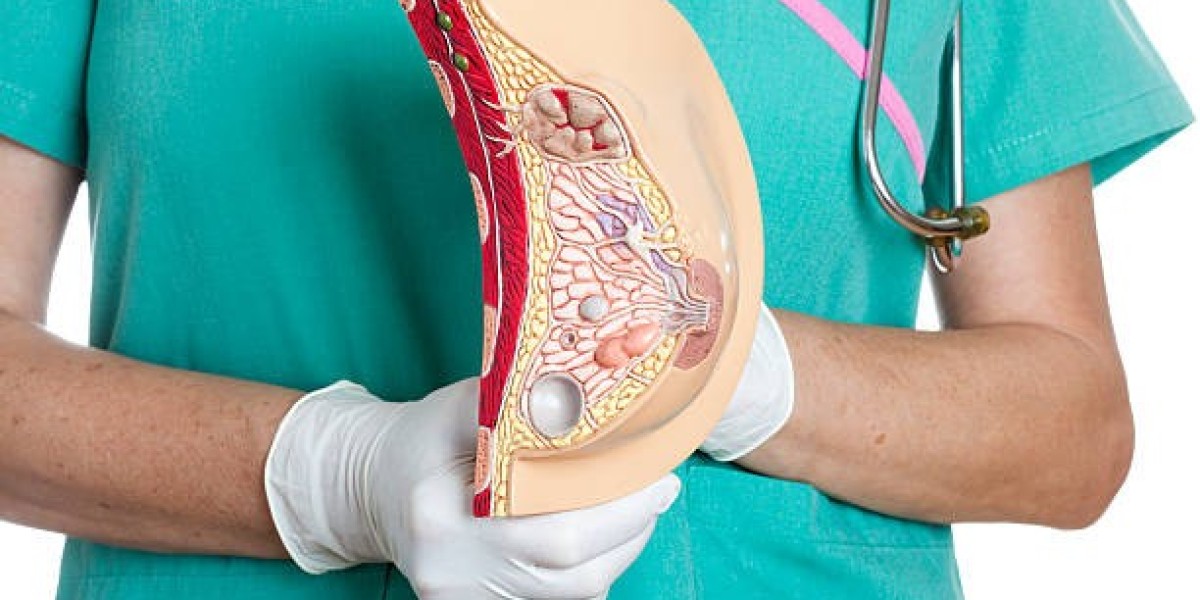

Fibrocystic breast change is a common clinical condition characterized by lumpy, rope-like breast tissue that often becomes tender or swollen in response to hormonal cycles. For those seeking Breast Cysts Treatment in Dubai, managing fibrocystic changes requires a nuanced approach that distinguishes between "normal" glandular variations and symptomatic cysts that require intervention. In clinical settings, we observe that patients with fibrocystic patterns often feel overwhelmed by the number of lumps they detect during self-exams. Modern treatment focuses on providing diagnostic clarity through high-definition imaging and offering targeted relief for the most bothersome cysts, ensuring that the patient can manage their breast health with confidence rather than anxiety.
What Defines Fibrocystic Breast Changes Clinically?
Fibrocystic changes are not a "disease" but a reflection of how breast tissue responds to estrogen and progesterone. In the context of Breast Cysts Treatment in Dubai, we identify these changes through specific imaging markers.
Key characteristics of a fibrocystic pattern include:
Generalized Lumpiness: A "cobblestone" texture that is usually present in both breasts.
Cyclical Fluctuations: Tenderness and lump size that increase significantly in the week before menstruation.
Micro-Cyst Clusters: Small, "pinhead" sized fluid sacs that can merge into larger, palpable cysts.
Fibrosis: Areas of thickened, firm connective tissue that can sometimes mimic the feel of a solid mass.
How is a Fibrocystic Pattern Managed?
Does Every Lump in Fibrocystic Tissue Need Treatment?
No. In clinical settings, we observe that the majority of fibrocystic "lumps" are simply dense tissue or tiny micro-cysts that are harmless. Treatment is only indicated when a specific cyst becomes "dominant"—growing large enough to cause acute pain or aesthetic concern. For these specific cases, a quick aspiration provides the pressure relief needed to make the generalized lumpiness more tolerable.
Why is Ultrasound Essential for Fibrocystic Tissue?
Because fibrocystic breasts are naturally dense, mammograms can sometimes be difficult to interpret. Ultrasound is the gold standard for Breast Cysts Treatment in Dubai in these patients, as it can "see through" the dense fibrous tissue to identify hidden fluid-filled cysts that may be causing the patient's discomfort.
The Patient Experience: Navigating Complex Tissue
When a patient with fibrocystic changes undergoes treatment, the clinical focus is on "mapping" the breast to find the source of the pain.
1. The Mapping Scan
The procedure begins with a thorough ultrasound survey. You will feel the cool gel and the practitioner moving the probe across all quadrants of the breast. In clinical settings, we observe that this "peace of mind" scan is often the most valuable part of the visit for the patient.
2. Targeted Aspiration
If a dominant cyst is found, a local anesthetic is applied (a 5-second "sting"). Once numb, a fine needle is used to drain the fluid. Patients report a unique sensation of "localized softening" in the breast as the pressure from the cyst is removed.
3. The Sensory Shift
After treatment, the "heavy" or "burning" sensation typical of fibrocystic changes often subsides. While the general texture of the breast remains fibrocystic, the "peak" pain points are neutralized.
"I've had lumpy breasts my whole life, but lately one spot was really hurting. The doctor used the ultrasound to find the one cyst that was causing the trouble and drained it in minutes. The relief was incredible." — Rina
"It was so helpful to have someone explain that my 'lumps' were just part of my anatomy. Draining the biggest ones made the monthly pain so much more manageable." — Elena
Comparison: Simple Cysts vs. Fibrocystic Changes
| Feature | Simple Benign Cyst | Fibrocystic Changes |
| Physical Feel | One distinct, smooth lump | Generalized, rope-like texture |
| Pain Pattern | Often constant or localized | Cyclical (Worse before period) |
| Ultrasound View | Single dark fluid sac | Multiple micro-cysts and dense white areas |
| Treatment Goal | Complete removal of the lump | Symptom management and reassurance |
| Primary Approach | Fine-needle aspiration | Aspiration + Lifestyle adjustments |
Safety and Suitability: Managing Long-Term Breast Health
Managing fibrocystic changes involves a long-term commitment to "knowing your normal."
Self-Examination Training: We teach patients how to recognize the baseline "cobblestone" feel of their tissue so they can identify when a new or different lump appears.
Dietary Adjustments: In clinical settings, we observe that reducing caffeine and sodium can significantly decrease the fluid retention that makes fibrocystic breasts painful.
Vitamin Support: Supplements like Vitamin E and Evening Primrose Oil are often recommended to help stabilize the breast tissue's response to hormones.
Consistency in Care: Patients with fibrocystic changes benefit from having their scans performed at the same clinic, allowing for easy "side-by-side" comparison of images over the years.
Recovery and The "New Normal"
Recovery from aspiration in fibrocystic tissue is rapid, with most patients returning to their routine immediately.
The First 48 Hours
You may feel a minor "bruised" sensation. Based on post-procedure follow-ups, we recommend a firm, supportive bra to prevent the dense tissue from "pulling" on the aspiration site.
The Monthly Cycle
Following treatment, you should notice a reduction in the "pre-menstrual spike" of pain. While the breasts may still feel slightly full, the acute, stabbing pain associated with tense cysts should be gone.
Long-Term Monitoring
Because fibrocystic tissue is active, new cysts can form. We encourage an annual "metabolic and breast check" to ensure your hormones and tissue health remain in balance.
FAQ: Fibrocystic Change Insights
Are fibrocystic changes a risk factor for cancer?
No. Fibrocystic changes are benign. However, because the tissue is dense, regular professional ultrasounds are important to ensure no new developments are missed.
Can I stop the lumps from forming?
While you can't change your basic tissue type, managing hormones and diet can significantly reduce the number and size of the cysts that form.
Why do my breasts hurt more after coffee?
Caffeine can increase the level of methylxanthines in the body, which can trigger more fluid accumulation and pain in fibrocystic tissue.
Is the aspiration painful in dense tissue?
No. Because we use local anesthesia, the density of the tissue does not affect your comfort during the procedure.
Will the lumps go away after menopause?
In most cases, yes. Fibrocystic changes are driven by reproductive hormones and typically resolve once those levels drop after menopause.
Why Choose Tajmeels Clinic for Your Procedure?
At Tajmeels Clinic, we understand that living with fibrocystic breast changes requires both clinical expertise and ongoing support. We offer specialized Breast Cysts Treatment in Dubai that focuses on providing a "clear map" of your breast health. Our Senior Medical Strategists and radiologists utilize high-definition imaging to navigate dense tissue, providing targeted relief for painful cysts while giving you the reassurance you need. We provide a calm, luxury environment where you are treated as a partner in your own wellness. When you choose Tajmeels Clinic, you are choosing a medical team dedicated to helping you understand your body, manage your symptoms, and maintain a lifetime of breast health.