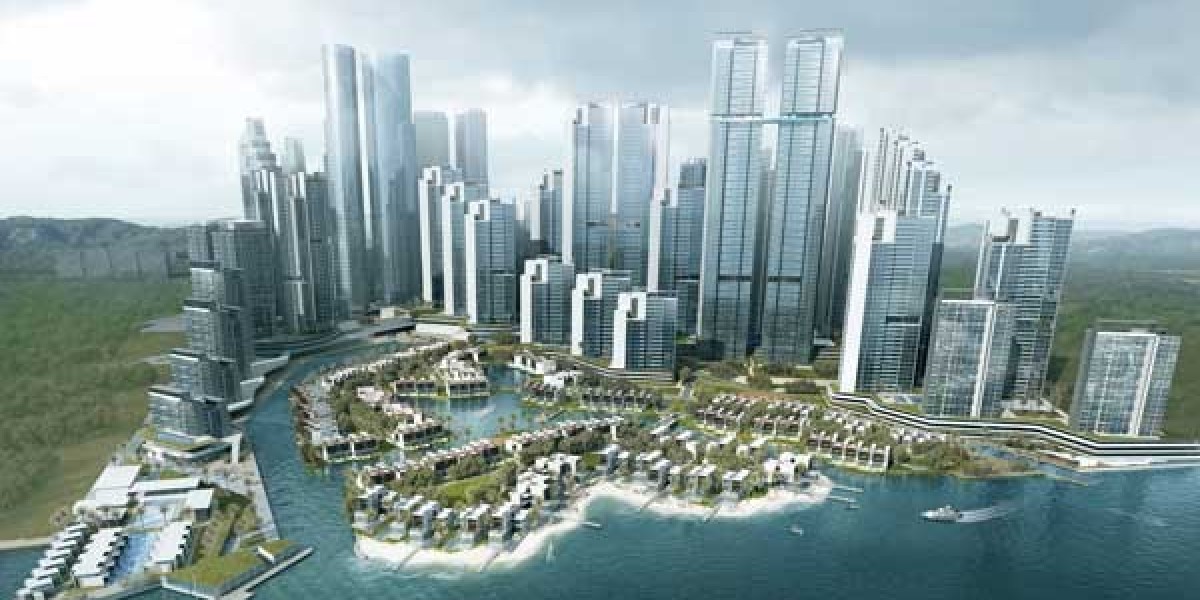

The global real estate market has undergone significant transformation in recent years. Rapid urbanization, technological advancement, and changing lifestyle preferences have encouraged developers to rethink how residential communities are designed and built. Modern developments are no longer just about providing housing; they aim to create integrated living environments that combine convenience, sustainability, connectivity, and lifestyle amenities. As cities continue to grow, these trends are shaping the future of urban living and influencing both buyers and investors.
The Rise of Integrated Communities
One of the most prominent trends in modern real estate development is the rise of integrated communities. These developments combine residential spaces with commercial, recreational, and lifestyle facilities within the same neighborhood. Instead of living in isolated residential zones, residents now prefer communities where daily needs such as shopping, dining, fitness, and entertainment are easily accessible.
Integrated developments reduce the need for long commutes and promote a balanced lifestyle. Residents can walk to nearby grocery stores, cafes, parks, or gyms, making everyday life more convenient. This concept has become particularly popular in large urban centers where traffic congestion and commuting time can significantly affect quality of life.
Importance of Strategic Location
Location remains one of the most critical factors in real estate value. Properties located near major transportation networks, business districts, and lifestyle hubs generally maintain strong demand. Access to public transport systems such as metro stations, rail networks, and major highways can significantly influence property prices and rental demand.
Modern buyers often prioritize homes located near transportation corridors because it reduces commuting time and improves accessibility to employment centers. Developers also recognize this demand and frequently focus their projects near upcoming transportation infrastructure. As a result, properties located close to transit stations often experience stronger long-term appreciation.
Growing Demand for Smart Homes
Technology has become an integral part of modern living, and the real estate sector has quickly adapted to this shift. Smart homes are now becoming a standard feature in many new residential developments. These homes use digital systems that allow residents to control lighting, security, temperature, and appliances through mobile applications or voice commands.
Smart home technologies offer several benefits. They improve energy efficiency by allowing residents to manage electricity consumption more effectively. They also enhance security through smart surveillance systems and remote monitoring features. For many buyers, these technologies represent a modern lifestyle upgrade and are increasingly becoming a key selling point for new developments.
Focus on Sustainable Living
Environmental sustainability is another major factor influencing real estate development. Governments and developers worldwide are placing greater emphasis on eco-friendly construction practices and energy-efficient buildings. Sustainable developments often include features such as solar panels, rainwater harvesting systems, energy-efficient lighting, and environmentally friendly building materials.
Green spaces are also becoming an essential component of modern developments. Parks, landscaped gardens, and open recreational areas help improve air quality and provide residents with access to nature. These features are particularly important in dense urban environments where access to natural spaces can be limited.
Many property buyers today actively seek developments that promote sustainability because they recognize the long-term environmental and financial benefits of energy-efficient living.
Lifestyle Amenities in Residential Developments
Another significant trend in modern real estate is the growing emphasis on lifestyle amenities. Residential developments now offer a wide range of facilities designed to enhance the living experience of residents. These amenities often include swimming pools, fitness centers, yoga studios, co-working spaces, rooftop gardens, and community lounges.
Family-friendly developments may also include children’s play areas, educational activity zones, and community event spaces. Such facilities encourage social interaction and create a sense of community among residents.
These lifestyle features are particularly appealing to younger buyers and professionals who prefer living environments that support both work and leisure. Developers increasingly recognize that modern homeowners value experiences and convenience as much as the physical space of their homes.
Changing Buyer Preferences
Buyer preferences have also shifted significantly in recent years. Younger generations entering the housing market often prioritize flexibility, technology, and lifestyle convenience over traditional housing features. Many buyers now prefer apartments located in vibrant neighborhoods close to restaurants, entertainment venues, and cultural attractions.
Remote work trends have also influenced housing preferences. Many residents now seek homes with dedicated workspace areas, high-speed internet connectivity, and quiet environments suitable for working from home. This shift has led developers to include co-working spaces and flexible interior layouts within residential buildings.
Additionally, there is growing interest in smaller but more efficiently designed living spaces. Buyers are increasingly willing to choose compact apartments if they are located in well-connected areas with strong lifestyle amenities.
The Role of Urban Planning
Urban planning plays a crucial role in shaping the success of residential developments. Governments around the world are implementing long-term planning strategies that focus on sustainable growth, improved transportation infrastructure, and balanced land use. These planning initiatives help ensure that residential developments are supported by adequate infrastructure, public services, and recreational facilities.
Well-planned districts often include a mix of residential, commercial, and recreational zones. This balanced approach helps create vibrant communities where residents can live, work, and socialize within the same area.
Infrastructure improvements such as new metro lines, road expansions, and public transportation systems can also significantly boost property values in developing districts. Investors often look for early opportunities in such areas because infrastructure growth tends to drive long-term appreciation.
Real Estate as a Long-Term Investment
Despite economic fluctuations, real estate continues to be viewed as one of the most stable long-term investment options. Property ownership provides both capital appreciation and potential rental income. For investors, choosing properties in emerging districts with strong infrastructure development can offer significant returns over time.
Rental demand is particularly strong in cities with growing populations and expanding employment opportunities. Properties located near universities, business districts, and transportation hubs often attract consistent rental interest from professionals and students.
However, successful real estate investment requires careful analysis of market conditions, development plans, and economic trends. Investors must consider factors such as location, developer reputation, future infrastructure projects, and overall demand within the area.
Conclusion
The real estate industry continues to evolve as developers respond to changing lifestyles, technological innovation, and environmental concerns. Modern residential developments are no longer limited to providing housing; they aim to create complete living environments that support convenience, sustainability, and community engagement.
Trends such as integrated communities, smart home technology, sustainable construction, and lifestyle-focused amenities are reshaping how cities grow and how people choose their homes. As urban populations continue to increase, these innovations will play an essential role in defining the future of residential living.
Important Links
Tips to Negotiate Condo Pricing with Developers
Step-by-Step Property Buying Process for Foreigners in Singapore
Real Estate Advice for Buying Near MRT Stations in Singapore
Property Advice for Upgrading from HDB to Condo in Singapore
10 Market Insights to Property Investment in Singapore
Step by Step Process to Buy a Condo in Singapore
Guide to Buying Property in Singapore for Expats
Rules for Foreigners Buying Property in Singapore
The Essential Guide For First-Time Homebuyers