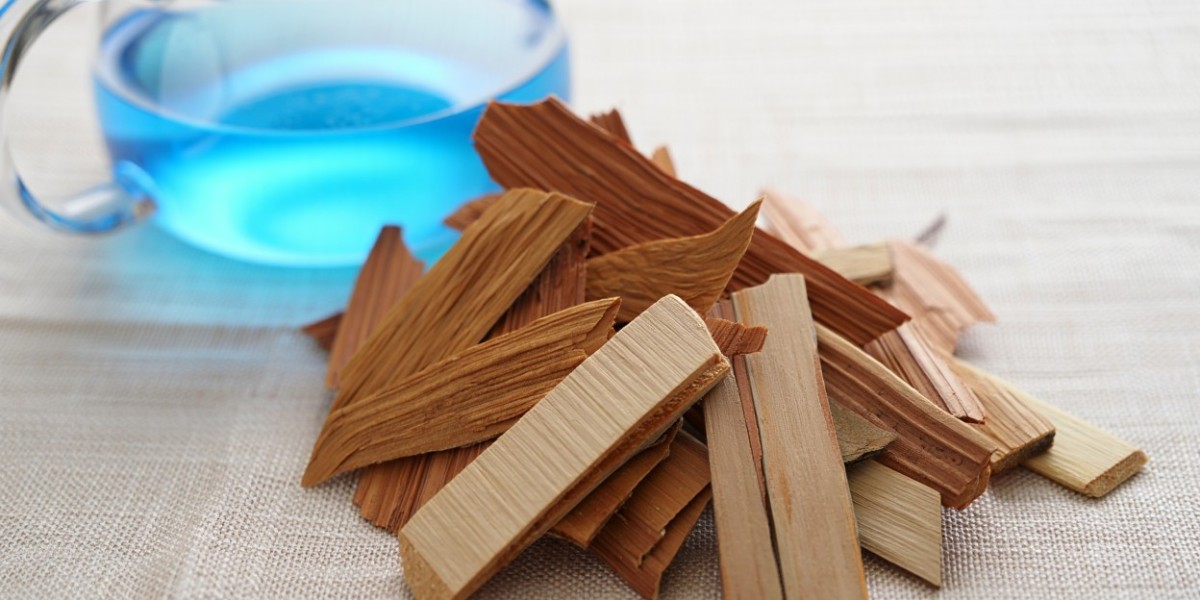

Palo Azul is a traditional herbal remedy that has been used for generations in parts of Central and North America. Known for its unique properties and natural origin, Palo Azul is often consumed as an herbal drink called Palo Azul tea. Many people value this tea for its refreshing taste and its traditional reputation for supporting overall wellness.
The wood used to make Palo Azul tea comes from a tree that naturally grows in dry and tropical regions. When boiled in water, the wood releases natural compounds that create a light-colored herbal tea with a slightly earthy flavor.
In recent years, Palo Azul has gained popularity worldwide as more people explore natural herbal beverages and traditional plant-based wellness practices. This guide explains everything you need to know about Palo Azul, including its origins, potential benefits, preparation methods, and safety considerations.
What Is Palo Azul?
Palo Azul refers to the bark or wood of a tree traditionally used to make herbal tea. The name “Palo Azul” means “blue stick” in Spanish, referring to the subtle bluish reflection sometimes seen when light shines through the prepared tea.
The plant is commonly found in regions of Mexico and parts of Central America. For centuries, people in these regions have used Palo Azul tea in traditional herbal practices.
Key characteristics
- Made from natural tree bark or wood
- Traditionally prepared as herbal tea
- Light, mild flavor
- Often used in traditional wellness routines
Today, Palo Azul is commonly available in dried wood form for tea preparation.
Traditional Uses of Palo Azul
Historically, Palo Azul has been used in various traditional herbal practices.
1. Herbal Wellness Drink
Many people drink Palo Azul tea as part of their daily herbal routine because it is caffeine-free and mild in taste.
2. Hydration Support
Since Palo Azul tea is simply a plant-based infusion, it is often consumed as a refreshing beverage throughout the day.
3. Traditional Herbal Practices
In some cultures, Palo Azul has been associated with traditional herbal cleansing and wellness practices.
While many traditional claims exist, modern scientific research on Palo Azul is still developing, and it should be viewed primarily as a herbal beverage rather than a medical treatment.
How to Make Palo Azul Tea
Preparing Palo Azul tea is simple and requires only a few ingredients.
Ingredients
- Small pieces of dried Palo Azul wood
- Water
- Optional flavor additions such as lemon or honey
Step-by-Step Preparation
1. Rinse the Wood
Wash the Palo Azul pieces with clean water to remove dust or debris.
2. Boil Water
Bring about one gallon of water to a boil in a pot.
3. Add the Palo Azul
Add the wood pieces to the boiling water.
4. Simmer the Tea
Allow the mixture to simmer for 30–60 minutes until the water changes color.
5. Cool and Serve
Strain the liquid and allow it to cool before drinking. The tea can be consumed warm or chilled.
Many people store Palo Azul tea in the refrigerator for daily use.
Nutritional and Natural Compounds
Like many herbal teas, Palo Azul tea contains natural plant compounds.
Possible components include
- Plant polyphenols
- Natural antioxidants
- Trace minerals
Researchers studying traditional herbal plants often examine these compounds to understand their potential effects.
Organizations involved in botanical research and herbal medicine studies continue exploring plants like Palo Azul for their chemical properties.
Potential Benefits of Palo Azul Tea
Although scientific research is limited, many people consume Palo Azul tea for general wellness.
1. Natural Herbal Beverage
One of the main advantages of Palo Azul tea is that it provides a caffeine-free alternative to coffee or black tea.
2. Hydration Support
Because it is water-based, Palo Azul can contribute to daily fluid intake.
3. Antioxidant Content
Like many herbal teas, Palo Azul tea may contain plant antioxidants that help protect cells from oxidative stress.
4. Light and Refreshing Taste
Many people enjoy the mild taste of Palo Azul, making it easy to include in daily routines.
Who Should Drink Palo Azul Tea?
Palo Azul tea may appeal to a variety of individuals.
Common users include
- People interested in herbal beverages
- Individuals reducing caffeine consumption
- Those exploring traditional plant-based drinks
- Fans of natural wellness products
However, it is always wise to consult a healthcare professional before using herbal products regularly.
Safety Considerations
Although Palo Azul is widely used as a herbal tea, certain precautions should be considered.
Important safety tips
Consult a healthcare professional
Anyone with existing medical conditions should seek professional advice before consuming herbal products regularly.
Avoid excessive consumption
Moderation is important when drinking any herbal tea.
Use reputable sources
Always purchase Palo Azul from trusted suppliers to ensure quality and purity.
Health authorities and botanical experts often emphasize responsible use of herbal products.
Tips for Choosing Quality Palo Azul
If you want to try Palo Azul tea, selecting high-quality ingredients is important.
Look for these qualities
- Natural dried wood pieces
- No artificial additives
- Clean, fresh appearance
- Reliable supplier or herbal store
Quality Palo Azul should have a mild woody scent and natural color.
Internal Linking Opportunities
If this article is published on a wellness or herbal blog, it could link to related topics such as:
- Benefits of herbal teas
- Natural detox drinks
- Traditional herbal medicine
- Antioxidant-rich beverages
Internal links help readers explore more content while improving SEO.
FAQ: Palo Azul
1. What is Palo Azul used for?
Palo Azul is traditionally used to prepare a herbal beverage known as Palo Azul tea. Many people drink it as part of herbal wellness routines because it is caffeine-free and made from natural plant materials.
2. How often can you drink Palo Azul tea?
Most people drink Palo Azul tea occasionally as a refreshing herbal beverage. Because it is plant-based, moderate consumption is generally recommended. Anyone planning to drink Palo Azul regularly should consult a healthcare professional.
3. Does Palo Azul tea have caffeine?
No, Palo Azul tea does not contain caffeine. It is made by boiling natural wood pieces in water, which creates a mild herbal drink. This makes Palo Azul a good option for people avoiding caffeinated beverages.
4. What does Palo Azul tea taste like?
The taste of Palo Azul tea is typically mild, earthy, and slightly woody. Many people find it light and refreshing, which makes it easy to drink throughout the day as part of a natural beverage routine.
5. Is Palo Azul safe to drink every day?
For most healthy adults, moderate consumption of Palo Azul tea may be acceptable. However, since herbal products can affect individuals differently, it is best to seek medical guidance before drinking Palo Azul daily.
Conclusion
Palo Azul is a traditional herbal plant that has been used for generations to create a natural beverage known as Palo Azul tea. With its mild taste, caffeine-free nature, and long history in herbal traditions, it has become increasingly popular among people exploring natural wellness drinks.
While research on Palo Azul continues, many individuals enjoy Palo Azul tea simply as a refreshing herbal beverage. By choosing high-quality ingredients, preparing it properly, and consuming it responsibly, people can safely explore the traditional benefits and cultural heritage associated with Palo Azul.