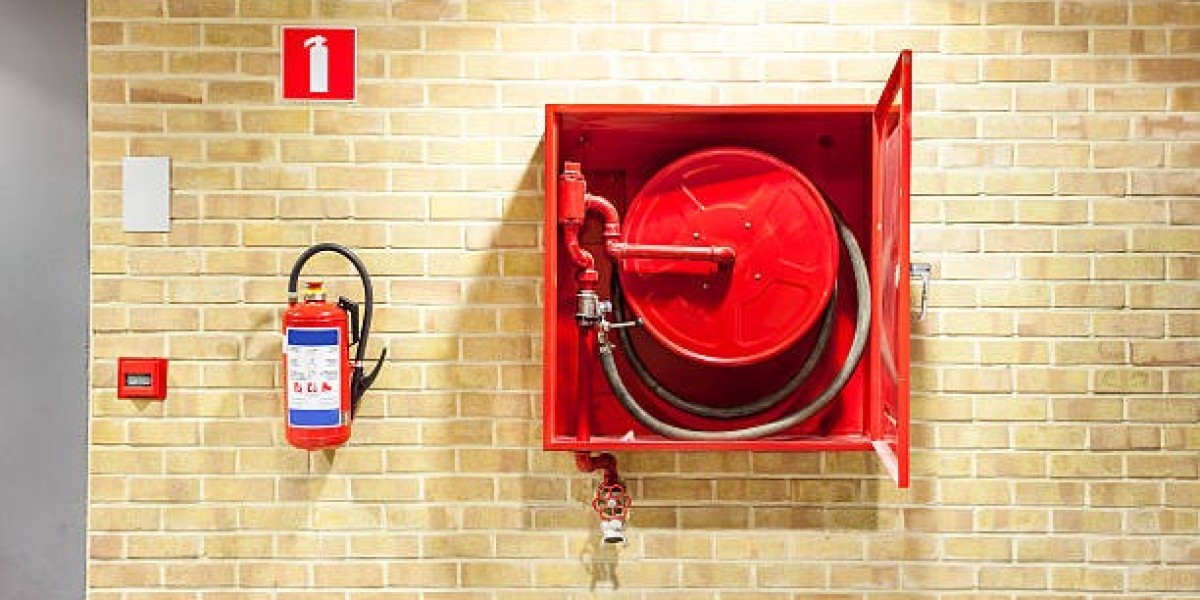

Hose reels are essential equipment in many industries where water management is required, such as construction, mining, agriculture, and municipal operations. They help store hoses neatly, protect them from damage, and make water distribution tasks more efficient. Among the different types available, manual hose reels and automatic hose reels are the two most common options. Choosing the right type can significantly impact productivity, safety, and maintenance costs. Understanding how each type works and their advantages and limitations can help businesses select the most suitable option for their operations.
What Is a Manual Hose Reel?
A manual hose reel is a simple mechanical device that requires the user to wind or unwind the hose by hand. It typically includes a crank handle that rotates the reel, allowing the hose to be rolled back onto the drum after use. Manual hose reels are widely used because of their straightforward design and affordability.
These reels are often preferred in situations where the hose is not used frequently or where the length of the hose is relatively short. Since they rely entirely on manual effort, they do not require electricity, hydraulic systems, or complex mechanisms to operate.
Advantages of Manual Hose Reels
One of the biggest advantages of manual hose reels is cost-effectiveness. They are generally less expensive than automatic reels, making them a practical choice for small businesses or operations with limited budgets. Their simple construction also means there are fewer components that can fail, resulting in lower maintenance requirements.
Manual hose reels are also highly durable and can withstand harsh environments. Because they do not rely on advanced mechanisms, they tend to perform reliably even in rugged industrial settings. Another advantage is easy installation, as they do not require additional power sources or complicated setups.
Limitations of Manual Hose Reels
Despite their benefits, manual hose reels can be time-consuming and physically demanding, especially when handling long or heavy hoses. Workers must manually rewind the hose after each use, which can slow down operations and increase fatigue.
In busy worksites where hoses are frequently used, this manual process may reduce efficiency. Additionally, if the hose is not wound properly, it can become tangled or damaged, leading to potential operational issues.
What Is an Automatic Hose Reel?
An automatic hose reel is designed to retract the hose automatically using a spring-driven, hydraulic, or motorized mechanism. With a simple pull, the hose can be extended to the required length, and once the task is completed, the reel retracts the hose smoothly back into place.
Automatic hose reels are widely used in environments where hoses are used frequently and where efficiency and speed are important. They are commonly found in industrial facilities, service stations, and heavy-duty water trucks.
Advantages of Automatic Hose Reels
One of the main advantages of automatic hose reels is convenience and efficiency. Workers can extend and retract hoses quickly without the need for manual winding. This saves time and allows tasks to be completed faster, improving overall productivity.
Automatic reels also reduce physical strain on workers. Since the hose retracts automatically, employees do not need to exert significant effort to rewind it. This can help prevent fatigue and workplace injuries, especially when dealing with long hoses.
Another key benefit is better hose management. Automatic retraction systems ensure that the hose is wound evenly and securely on the reel, reducing the risk of tangling, kinks, or damage. This can extend the lifespan of the hose and reduce replacement costs over time.
Limitations of Automatic Hose Reels
While automatic hose reels offer many benefits, they also come with certain drawbacks. The most notable is higher initial cost. Automatic systems are more complex and therefore more expensive than manual reels.
They also require more maintenance, as the internal mechanisms such as springs or motors may need servicing over time. In some cases, if the retraction mechanism fails, repairs can be more complicated compared to a simple manual reel.
Additionally, automatic hose reels may require professional installation, especially if they rely on hydraulic or motorized systems.
Comparing Manual and Automatic Hose Reels
When deciding between manual and automatic hose reels, it is important to consider several factors such as cost, frequency of use, and working conditions.
Manual hose reels are best suited for light-duty applications or occasional use. They are affordable, simple to operate, and reliable in environments where advanced features are not necessary. For small worksites or operations where hoses are used only occasionally, manual reels can be a practical solution.
Automatic hose reels, on the other hand, are ideal for high-frequency or heavy-duty applications. They provide faster operation, improved convenience, and better hose protection. In busy industrial environments where efficiency and worker safety are priorities, automatic reels can significantly improve workflow.
Which One Is Better?
The answer to whether a manual or automatic hose reel is better depends on the specific needs of the operation. If budget and simplicity are the main concerns, a manual hose reel may be the better choice. It offers durability and reliability without the need for complex systems.
However, if the goal is to improve efficiency, reduce manual labor, and enhance workplace safety, an automatic hose reel is often the better investment. Although the upfront cost is higher, the long-term benefits in productivity and hose protection can make it worthwhile.
Conclusion
Both manual and automatic hose reels play an important role in managing hoses effectively in industrial and commercial environments. Manual hose reels offer simplicity, durability, and affordability, making them suitable for basic applications. Automatic hose reels, on the other hand, provide greater convenience, efficiency, and improved hose management for demanding operations.
By carefully evaluating operational requirements, budget, and frequency of use, businesses can choose the hose reel system that best supports their productivity and long-term performance. Selecting the right hose reel not only improves efficiency but also helps maintain equipment longevity and workplace safety.