Explore stays with the UAE Long Term Tourism Visa, offering flexibility for travelers seeking longer experiences, multiple entries, and convenience, while simplifying applications through the UAE eVisa system, ensuring seamless planning, freedom, and access to the country’s attractions and opportunities.
What Cities in the UAE Are Best for Long-Term Visitors?
For long-term visitors in 2026, Dubai and Abu Dhabi remain the premier choices. Dubai is the ultimate hub for digital nomads, offering a Virtual Working Program and tech-forward neighborhoods like Dubai Silicon Oasis and JLT. Abu Dhabi provides a more refined pace, consistently ranking as the world's safest city with world-class healthcare. For those seeking affordability without sacrificing connectivity, Sharjah and Ras Al Khaimah offer a lower cost of living while maintaining easy access to the major metropolitan centers.
Are There Any Hidden Fees or Charges in the UAE Tourist Visa Process?

While the official price of a UAE Long Term Tourism Visa is clearly stated, applicants should be wary of hidden costs that can inflate the final bill. Common "hidden" charges include mandatory medical insurance premiums, service fees from private agencies, and document translation costs. Additionally, you may encounter VAT or credit card processing fees at checkout. To avoid surprises, always verify if the quoted price includes the "Knowledge Dirham" and "Innovation Dirham" fees, which are standard government levies in the Emirates.
How Safe Is It to Stay in the UAE on a Long-Term Tourist Visa?
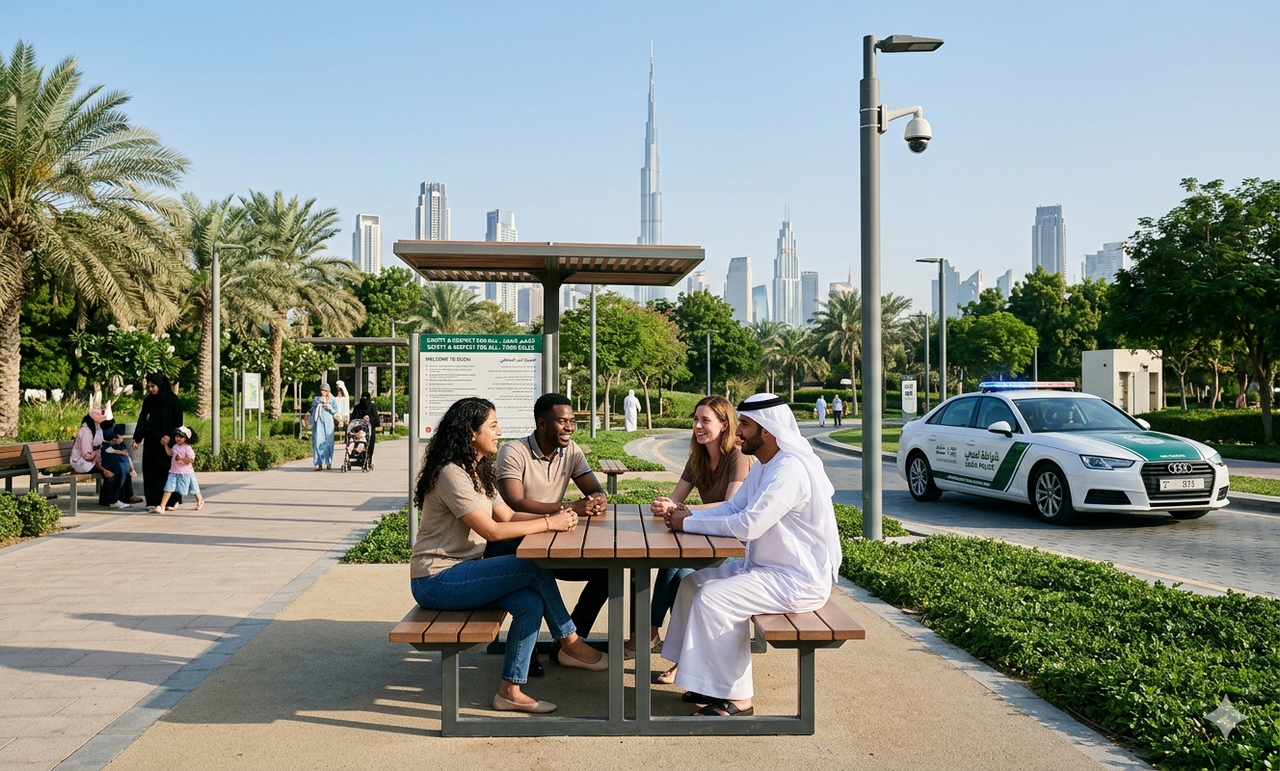
Staying in the UAE on a long-term tourist visa is exceptionally safe, as the country is a global leader in public security and infrastructure (Paul & Rabel, 2024). Statistics show that risks from crime or external threats are statistically lower than everyday hazards like road traffic (Emirates Scholar, 2026). While the environment offers high comfort and "comfortable transience," visitors must strictly follow local laws and visa expiration dates, as overstaying leads to fines rather than a pathway to residency.