
Transform Your Balcony into a Birdwatcher's Paradise with the Perfect Feeder!
In recent years, birdwatching has surged in popularity, especially among urban dwellers who seek a connection with nature amidst the hustle and bustle of city life. Adding a bird feeder to your balcony can transform this small outdoor space into a vibrant wildlife sanctuary, where you can enjoy the sights and sounds of various bird species right from your home. Not only does a bird feeder attract beautiful birds, but it also enhances your outdoor experience, providing moments of tranquility and connection with nature. Imagine sipping your morning coffee while watching colorful finches flit about, or the delightful chirping of sparrows as they gather around for a snack. With the right bird feeder, you can turn your balcony into a birdwatcher's paradise!
Choosing the Right Bird Feeder for Your Balcony
When it comes to selecting a bird feeder for your balcony, there are several types to consider that cater to different bird species and balcony sizes. The ideal feeder should not only attract birds but also fit seamlessly into your limited space. Size is crucial; a compact feeder is preferable for smaller balconies, while larger setups may work well for those with more room. Additionally, consider the style of the feeder; it should complement your balcony decor and be easy to refill and clean. A well-chosen feeder can become a charming focal point of your outdoor area, making it both functional and aesthetically pleasing.
Types of Bird Feeders
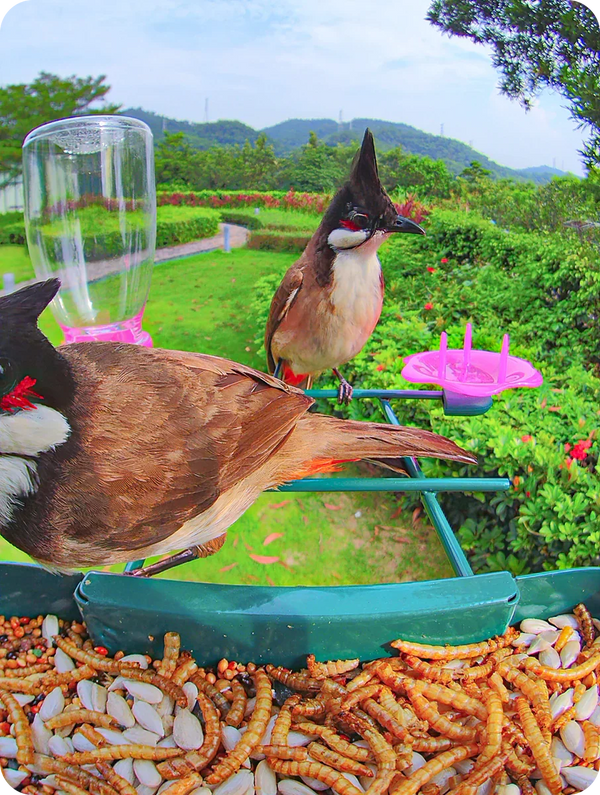
There are several types of bird feeders that can be suitable for your balcony. Tube feeders are excellent for attracting smaller birds like chickadees and finches; they're designed to hold seed mixes and prevent larger birds from accessing the food. Platform feeders offer a wider space for birds to perch and can accommodate a variety of bird species, making them versatile but less protected from squirrels. Window feeders are ideal for those with limited space as they attach directly to your balcony railing or window, providing a close-up view of the birds. Each feeder has its pros and cons, so consider the types of birds you'd like to attract and the space available on your balcony when choosing the right one.
Considerations for Balcony Setup
Setting up a bird feeder on your balcony requires careful consideration of its placement. Accessibility is key; you'll want to easily refill the feeder and clean it regularly. Visibility is also important not just for your enjoyment but for the birds as well; they need to feel safe while feeding. Make sure to place the feeder away from potential dangers, such as windows where they might collide, and ensure that it's not too close to areas where pets might jump. A well-placed feeder can help birds feel secure, encouraging them to return regularly for their meals.
Choosing the Right Location
For optimal birdwatching, choosing the right location on your balcony is essential. Look for a spot that offers a clear view of the feeder from your favorite seating area, ideally near a window or comfortable chair. Consider the natural environment around your balcony; if there are trees or shrubs nearby, they can provide essential shelter and perches for birds waiting to access the feeder. Additionally, make sure the feeder receives some sunlight but is also shaded during the hottest parts of the day to keep the bird food fresh and appealing.
Feeding Birds: What to Know
Understanding what types of bird food to offer is crucial for attracting a diverse range of birds to your balcony. Different species have varying dietary needs; for instance, sunflower seeds are a favorite among many songbirds, while suet is excellent for woodpeckers and nuthatches. It's important to choose high-quality bird food and avoid fillers that offer little nutritional value. Regularly changing the food and keeping an eye on the feeder will help ensure that your feathered friends have a continuous supply of nourishment, promoting healthy visits.
Maintenance and Cleaning Tips
Cleaning and maintaining your bird feeder is vital for preventing disease among birds. Aim to clean the feeder at least once every two weeks, or more frequently during wet or humid weather. Use a mixture of water and vinegar or a mild soap solution to scrub away any mold or leftover food. Rinse thoroughly and allow it to dry completely before refilling with fresh bird food. A clean feeder not only promotes a healthy feeding environment but also encourages birds to return to your balcony regularly.
Creating Your Own Birdwatching Oasis
In summary, transforming your balcony into a birdwatching space is both rewarding and enjoyable. By carefully selecting the right bird feeder and considering factors such as placement and maintenance, you can create an inviting environment for birds while enhancing your outdoor experience. The joy of watching various species come and go can provide a unique connection to nature right in the heart of the city. So, take the first step and explore the options available for setting up your own bird feeder—your feathered friends are waiting!