

Unlock the Secrets: How to Choose the Perfect Motor Speed Controller for Your Project!
Motor speed controllers are essential devices that regulate the speed and torque of electric motors, playing a crucial role in a variety of applications, from hobby robotics to industrial machinery. When embarking on any project that involves motor control, selecting the right controller can significantly impact performance and efficiency. This article aims to unravel the complexities surrounding motor speed controllers, providing you with the necessary insights to make an informed decision. Key factors such as compatibility, control methods, and specific project requirements will be discussed, ensuring that you are well-equipped to choose the perfect motor speed controller for your needs.
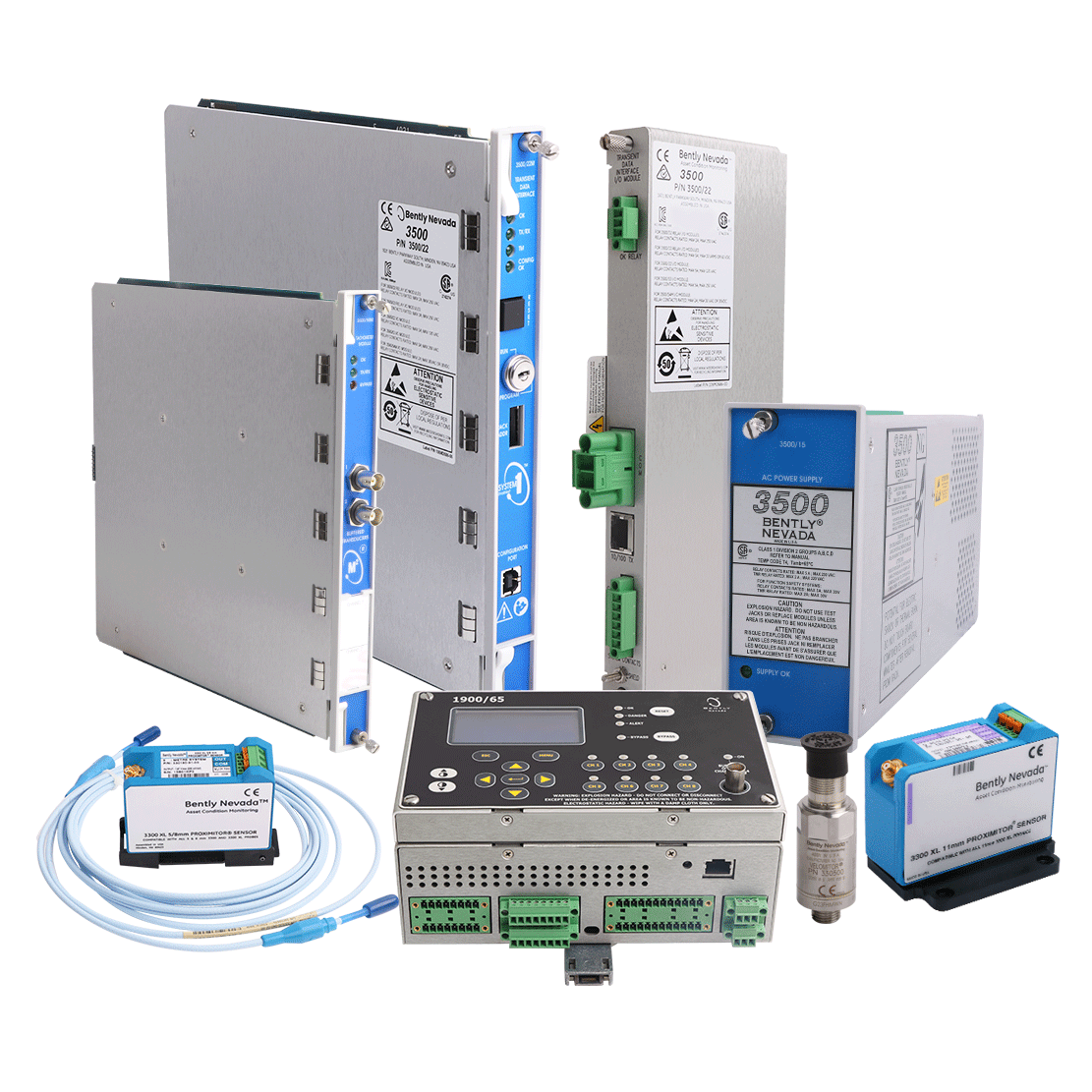
Understanding Motor Speed Controllers
A motor speed controller is an electronic device that adjusts the speed and torque of an electric motor by modulating the power supplied to it. These controllers utilize various techniques to manage motor performance, ensuring optimal operation tailored to specific applications. Common types include Pulse Width Modulation (PWM) controllers, which adjust the voltage and current delivered to the motor by turning the power on and off at high speeds, and linear controllers, which provide a more direct method of controlling motor speed but can be less efficient. Motor speed controllers find applications in diverse sectors, including automotive, manufacturing, and consumer electronics, highlighting their versatility and importance in modern technology.
Key Factors to Consider When Choosing a Motor Speed Controller
When selecting a motor speed controller, several essential features should be considered. First, assess the voltage ratings; ensure the controller can handle the voltage requirements of your motor. Next, consider the current capacity, as exceeding this can lead to failures or reduced performance. Control methods also play a crucial role; analog controllers provide smooth control but may lack precision, while digital controllers offer better accuracy and customization options. Additionally, compatibility with your specific motor type—be it brushed, brushless, DC, or AC—is vital for seamless operation. Understanding these factors will help you narrow down your options and find a controller that meets your project needs.
Comparing Different Types of Motor Speed Controllers
Motor speed controllers can be broadly classified into PWM controllers, DC motor controllers, and AC motor controllers, each with its own set of advantages and disadvantages. PWM controllers are popular for their efficiency and ability to provide precise speed control, making them ideal for battery-operated devices. On the other hand, DC motor controllers typically offer simpler designs and are easier to implement for basic applications; however, they may not handle high speeds efficiently. AC motor controllers are essential for applications requiring high power and variable speed, such as industrial equipment, but can be more complex and costly. By comparing these types, you can better understand which controller aligns with your project's requirements.
Making the Purchase Decision
Embarking on the purchase of a motor speed controller requires careful consideration of several factors. Start by evaluating your project requirements, including the type of motor being used and the desired performance characteristics. Next, establish a budget that considers not only the initial cost of the controller but also any additional accessories or components needed for installation. Additionally, explore sourcing options; whether you choose to purchase online or from a local supplier, ensure that you are acquiring a quality product with good customer support. By following these steps, you can confidently make a choice that enhances your project's success.
Making an Informed Choice
In summary, selecting the right motor speed controller is a critical step in ensuring the success of your project. By understanding the different types of controllers, considering key factors such as voltage ratings and control methods, and thoughtfully evaluating your requirements and budget, you can make a well-informed decision. Remember that the right motor speed controller not only enhances performance but also contributes to the overall efficiency and longevity of your motor system. Take the time to analyze your specific needs, and you will find the perfect controller to power your project forward.