

Discover the Secret Ingredients for Your Cat's Ultimate Health!
When it comes to our beloved feline friends, nutrition plays a pivotal role in ensuring their overall health and well-being. Just like humans, cats require a balanced diet rich in essential nutrients to thrive. The right cat food not only helps maintain their weight but also supports their immune system, promotes a shiny coat, and enhances their energy levels. In this article, we will explore the best cat food options available that promote health and wellness, ensuring your furry companion lives a long, happy life. Whether you are a new cat owner or looking to improve your current cat's diet, this guide will provide valuable insights to help you make informed decisions.
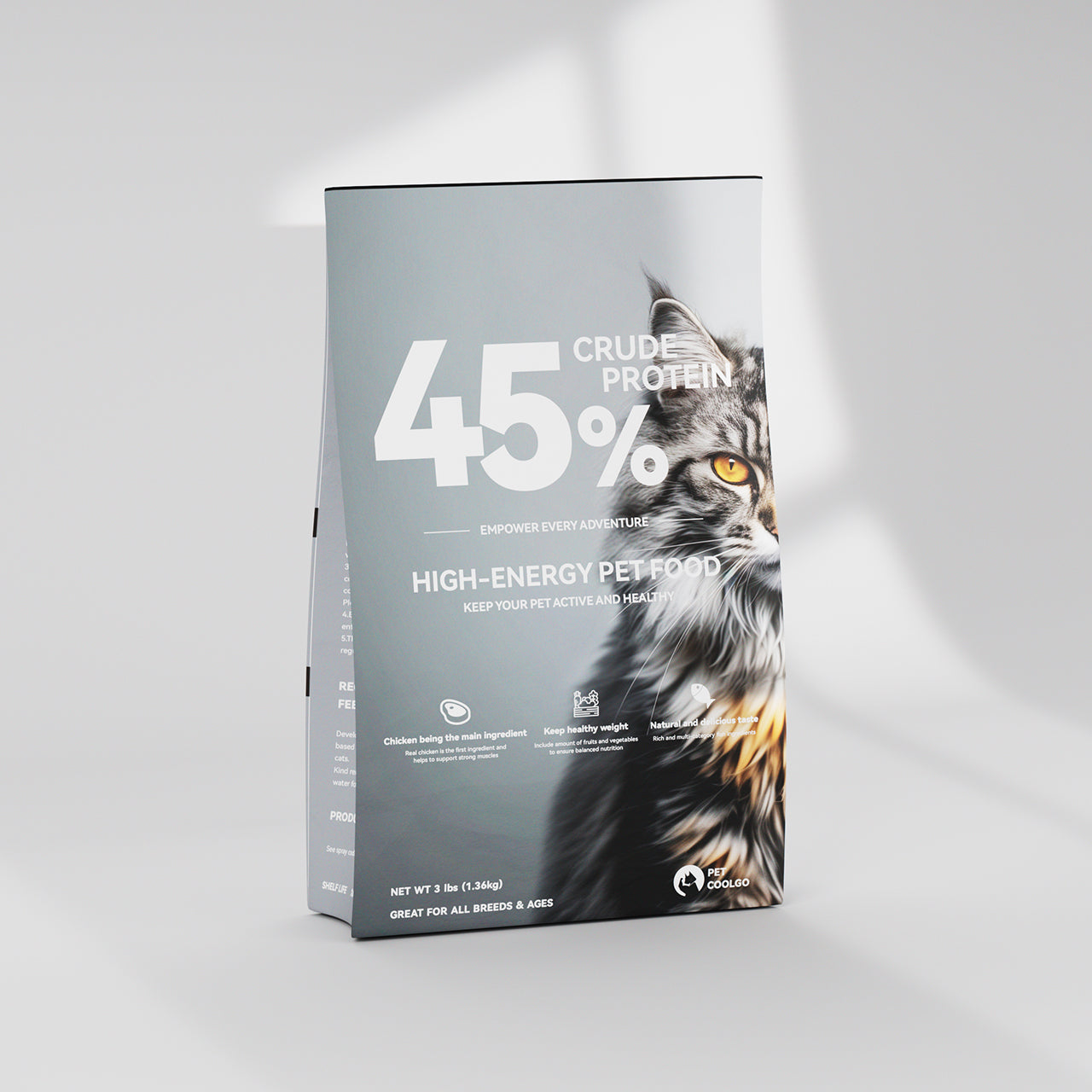
Understanding Cat Nutrition
Cats are obligate carnivores, meaning their bodies are designed to thrive on a diet primarily composed of meat. This dietary requirement highlights the importance of proteins, which serve as the building blocks for muscles, tissues, and overall body function. Additionally, fats are crucial for energy and the absorption of certain vitamins. Carbohydrates, although not as essential, can provide a quick energy source. A balanced diet for cats should also include a variety of vitamins and minerals that support various bodily functions. For instance, vitamin A is vital for vision, while taurine, an amino acid found in meat, is essential for heart and eye health. Understanding these nutritional needs is the first step in selecting the best cat food for a healthy cat.
Key Ingredients to Look For in Cat Food
When searching for cat food, it's essential to focus on high-quality ingredients. Look for named protein sources such as chicken, turkey, or fish as the first ingredient, as these provide the necessary amino acids for your cat's health. Omega fatty acids, often derived from fish oil or flaxseed, are crucial for maintaining a healthy coat and skin while also supporting cognitive function. Antioxidants, such as vitamins E and C, help combat oxidative stress, which can lead to chronic diseases. Additionally, prebiotics and probiotics can promote gut health, ensuring that your cat's digestive system runs smoothly. By understanding these key ingredients, you can make informed choices that contribute to your cat's overall health and vitality.
Types of Cat Food and Their Benefits
There are several types of cat food available, each with its own benefits and considerations. Dry cat food, or kibble, is convenient, cost-effective, and can help control plaque buildup on teeth. However, it may lack moisture, which is essential for hydration. Wet cat food, on the other hand, provides higher moisture content, which can be beneficial for cats that don't drink enough water. It is also often more palatable, making it a great choice for picky eaters. Raw diets, while gaining popularity, require careful handling to avoid bacterial contamination and may not provide a complete nutrient profile unless carefully formulated. Understanding these types can help you choose the best diet that aligns with your cat's individual health needs.
Common Additives and Preservatives to Avoid
While selecting cat food, it’s crucial to be aware of harmful additives and preservatives that can negatively impact your cat's health. Ingredients like ethoxyquin, BHA, and BHT are synthetic preservatives that have been linked to various health issues. Artificial colors and flavors, while appealing to humans, serve no nutritional purpose for cats and can cause allergic reactions. Reading labels effectively is essential; always opt for foods with minimal ingredients and avoid those with vague terms like "meat by-products." Educating yourself about what goes into your cat's food can significantly influence their long-term health.
Homemade vs. Store-Bought Cat Food
Many cat owners ponder whether to make homemade cat food or stick with commercially prepared options. Homemade cat food can be tailored to meet specific dietary needs and can contain fresher ingredients. However, it requires a thorough understanding of feline nutrition to ensure that your cat receives a balanced diet. On the other hand, store-bought cat food is convenient and often formulated to meet the complete nutritional requirements of cats, but it can sometimes contain questionable ingredients. If you decide to prepare homemade food, consulting with a veterinarian or a pet nutritionist is essential to avoid nutritional deficiencies.
Ensuring Your Cat's Optimal Health Through Nutrition
In conclusion, choosing the best cat food for maintaining a healthy cat is a crucial responsibility that every cat owner must take seriously. Understanding the nutritional needs of cats, recognizing key ingredients, and being mindful of harmful additives are all vital steps in this process. Whether you choose to go with commercial cat food or make your own, investing time in researching your options will ensure that your furry companion thrives. After all, a healthy diet is the foundation for a happy and active life for your beloved cat.