

Unlock Your Outdoor Cooking Adventure: Discover the Ultimate Portable Gas Grill for Every Foodie!
Outdoor cooking has taken the culinary world by storm, enchanting food enthusiasts with its blend of flavors, fresh air, and the thrill of cooking in nature. As camping trips, beach outings, and backyard barbecues become more popular, the demand for portable cooking solutions rises. Enter the portable gas grill: a versatile and convenient tool that allows you to enjoy delicious grilled meals anywhere. With ease of use and quick setup, these grills are perfect for tailgating, picnics, and camping adventures. In this article, we will explore the benefits of portable gas grills, essential features to consider, various types available, and maintenance tips to ensure your grill remains in top condition. By the end, you'll be well-equipped to make an informed buying decision.
Why Choose a Portable Gas Grill?
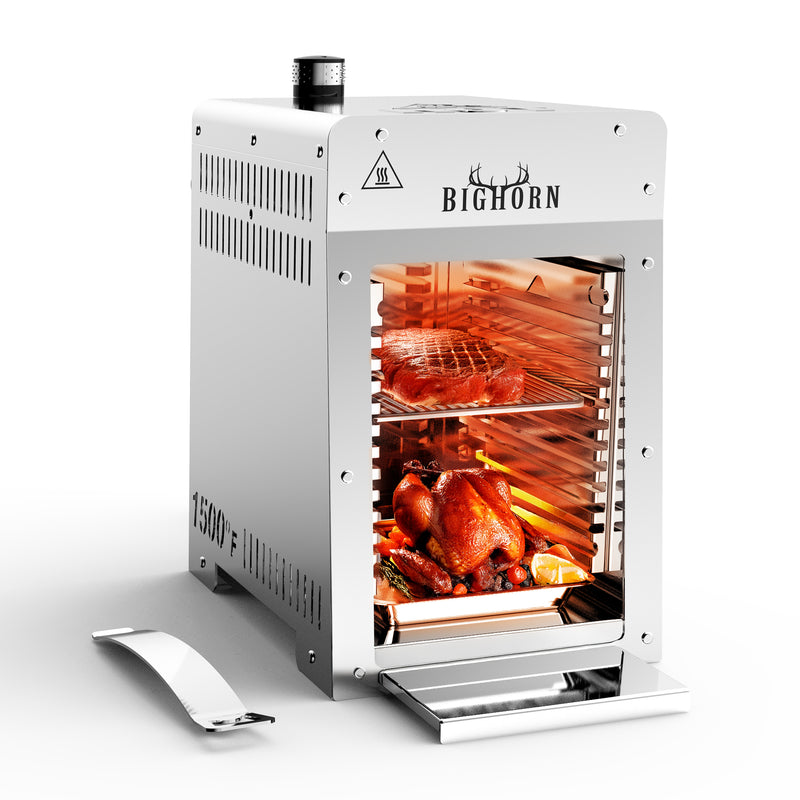
Portable gas grills offer numerous advantages that make them an attractive option for outdoor cooking. First and foremost, their ease of use sets them apart. Unlike charcoal grills, which require time to heat up and can be messy, gas grills allow you to ignite the flame with the simple turn of a knob. This convenience means you can start cooking almost immediately, which is particularly beneficial during impromptu gatherings or when time is of the essence. Additionally, the quick setup and lightweight design make them easy to transport. A friend of mine shared how he took his portable gas grill on a camping trip; it fit perfectly in the trunk alongside all his gear, allowing him to whip up gourmet meals by the campfire. These grills are not only suitable for camping but also for tailgating and picnics, where a delicious grilled meal can elevate the experience.
Key Features to Consider
When selecting a portable gas grill, several key features should be top of mind to ensure you choose the right one for your needs. Size and weight are critical; you want a grill that is easy to carry but also large enough to accommodate your cooking needs. The cooking surface area is another essential consideration, as it determines how much food you can prepare at once. A grill with around 200 to 300 square inches of cooking space is generally ideal for small groups. Heat output, measured in BTUs (British Thermal Units), is vital for achieving the desired cooking temperature. A grill with at least 10,000 BTUs is usually sufficient for most grilling tasks. Lastly, consider the fuel type—propane is the most common, but some models use natural gas or even dual fuel options for added versatility. Understanding these features will help you make an informed choice tailored to your cooking style and outdoor activities.
Comparison of Different Types of Portable Gas Grills
Portable gas grills come in various designs, each with its own advantages and disadvantages. Compact designs are often the most lightweight and easy to carry, making them perfect for hiking or quick trips. However, their smaller cooking surface may limit your grilling capacity. Tabletop models are another popular choice; they offer a decent cooking area while remaining portable. These grills are ideal for picnics or tailgating, as they can easily be set up on a picnic table or flat surface. On the other hand, larger portable options provide more cooking space and higher BTU outputs, making them suitable for larger gatherings. While these grills can be bulkier to transport, they offer the versatility of cooking for family and friends. Each type has its pros and cons, so consider your specific needs, such as the number of people you typically cook for and how much storage space you have in your vehicle.
Maintenance and Care Tips
To ensure your portable gas grill lasts for years and operates efficiently, regular maintenance and care are essential. Start with a simple cleaning routine after each use: allow the grill to cool and then scrape down the grates with a grill brush to remove food particles. For a deeper clean, consider disassembling the grill components occasionally to reach hard-to-clean areas. When storing your grill, make sure it's in a dry place to prevent rust and corrosion. If possible, invest in a grill cover to protect it from the elements. Additionally, always check for gas leaks before using your grill; a simple solution of soapy water can help identify any leaks in the hoses or connections. Following these maintenance tips will ensure your grill remains in excellent condition, ready for all your outdoor cooking adventures.
Maximize Your Outdoor Cooking Experience
In conclusion, portable gas grills offer numerous advantages for outdoor cooking enthusiasts, from their ease of use to their versatility in various settings. By considering essential features like size, cooking surface area, and heat output, you can select a grill that suits your specific needs. Understanding the differences between various types of portable gas grills will further empower you to make the right choice. Finally, maintaining your grill through regular cleaning and proper storage will ensure it serves you well for many seasons. As you reflect on your outdoor cooking needs, remember that a portable gas grill can unlock a world of culinary possibilities, allowing you to enjoy delicious meals wherever your adventures take you.