

Discover the Surprising Truth About Using Glass Bottles for Breast Milk!
As new parents navigate the waters of feeding their little ones, the conversation around breast milk storage and feeding options becomes crucial. With the growing trend of using glass bottles for breast milk, many are left wondering if this is the right choice for their family. This article aims to explore the advantages and disadvantages of using glass bottles for breast milk, providing insights that can help parents make an informed decision. From safety concerns to practical considerations, we will delve into the factors that make glass bottles both appealing and challenging.
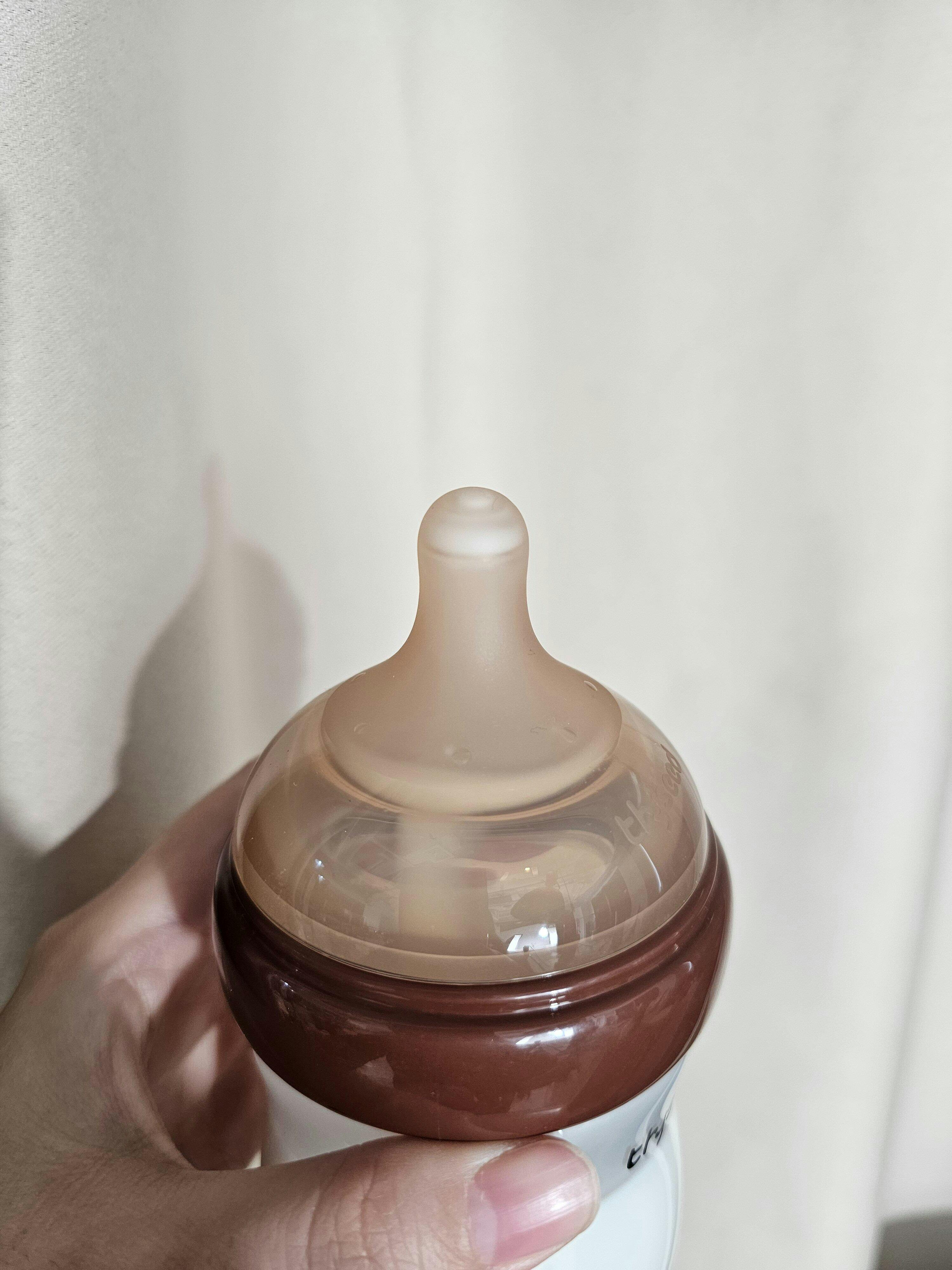
Advantages of Using Glass Bottles for Breast Milk
One of the most significant benefits of using glass bottles for breast milk is the safety they provide. Glass bottles are free from harmful chemicals often found in plastic, such as BPA. This is particularly important as infants are more sensitive to toxins, and ensuring their health and safety is a top priority for parents. A friend of mine, a new mom, switched to glass bottles after reading about the potential risks associated with plastic. She noticed a peace of mind that came with knowing her baby's milk was stored in a non-toxic container. This sentiment is echoed by many parents who value the health benefits of glass.
Another compelling advantage of glass bottles is their ability to preserve the quality of breast milk better than plastic alternatives. Glass is non-porous, which means it doesn’t absorb odors or flavors like plastic can. This quality ensures that the milk remains fresh and retains its nutritional value over time. Additionally, glass bottles can be sterilized at high temperatures without the risk of degrading the material, a feature that many parents appreciate.
From an environmental perspective, glass bottles are a more sustainable option. Unlike plastic, which contributes to pollution and landfill waste, glass is recyclable and has a longer lifespan. My friend’s decision to use glass bottles was also driven by her desire to reduce her environmental footprint. She shared how she felt empowered by making a choice that was both healthier for her baby and kinder to the planet.
Safety and Health Considerations
When it comes to infant health, glass bottles shine in comparison to their plastic counterparts. Many plastics can leach harmful chemicals that may disrupt hormonal balance or pose other health risks. Parents are increasingly aware of these dangers, which has led to a rise in the popularity of glass bottles. With no BPA, phthalates, or other harmful chemicals, glass bottles offer a safe storage solution for breast milk, allowing parents to feel secure in their feeding choices.
Disadvantages of Using Glass Bottles for Breast Milk
While there are many advantages to using glass bottles, they are not without their drawbacks. One of the most significant disadvantages is the weight of glass compared to plastic. Parents often find themselves juggling multiple items while caring for their babies, and the added weight of glass bottles can be cumbersome. This can be particularly challenging for parents on the go or those who need to transport bottles frequently.
Another concern is the risk of breakage. Glass bottles can shatter if dropped, posing a safety risk not only for the baby but also for parents. The anxiety of handling fragile items can deter some parents from choosing glass, opting for the durability of plastic instead. Additionally, the higher cost of glass bottles compared to plastic ones can be a barrier for families on a budget. While the long-term benefits of glass may outweigh the initial investment for some, others may find it difficult to justify the expense.
Practical Considerations
When considering glass bottles, practical issues also come into play. Cleaning and sterilizing glass bottles can be more labor-intensive than plastic. However, many parents find that the benefits outweigh the extra effort. It’s essential to choose bottles with wide openings for easier cleaning. Additionally, when transporting glass bottles, using padded bottle bags or containers can help minimize the risk of breakage. Parents can also consider using silicone sleeves to provide extra cushioning and a better grip.
Weighing the Pros and Cons of Glass Bottles
In summary, the decision to use glass bottles for breast milk involves weighing their numerous advantages against their potential drawbacks. From safety and health considerations to practical challenges, parents have much to consider when selecting the right feeding solution for their families. Ultimately, it's essential for parents to evaluate their lifestyle, preferences, and values when making this choice. Whether opting for glass or plastic, the most important factor remains ensuring that their baby receives the best nourishment possible.