

The Ultimate Guide to Choosing the Perfect Baby Bottle for Your Newborn!
Choosing the right baby bottle for your newborn is essential to ensuring a comfortable and efficient feeding experience. The right bottle can significantly impact your baby's feeding routine, affecting everything from their digestion to their ability to bond with you during feeding times. With so many options available, it's crucial to understand the various factors that come into play, such as the baby's feeding needs, the type of bottle, and the materials used. This guide aims to simplify the selection process by exploring different types of baby bottles, their features, and how they can meet the unique needs of your newborn.
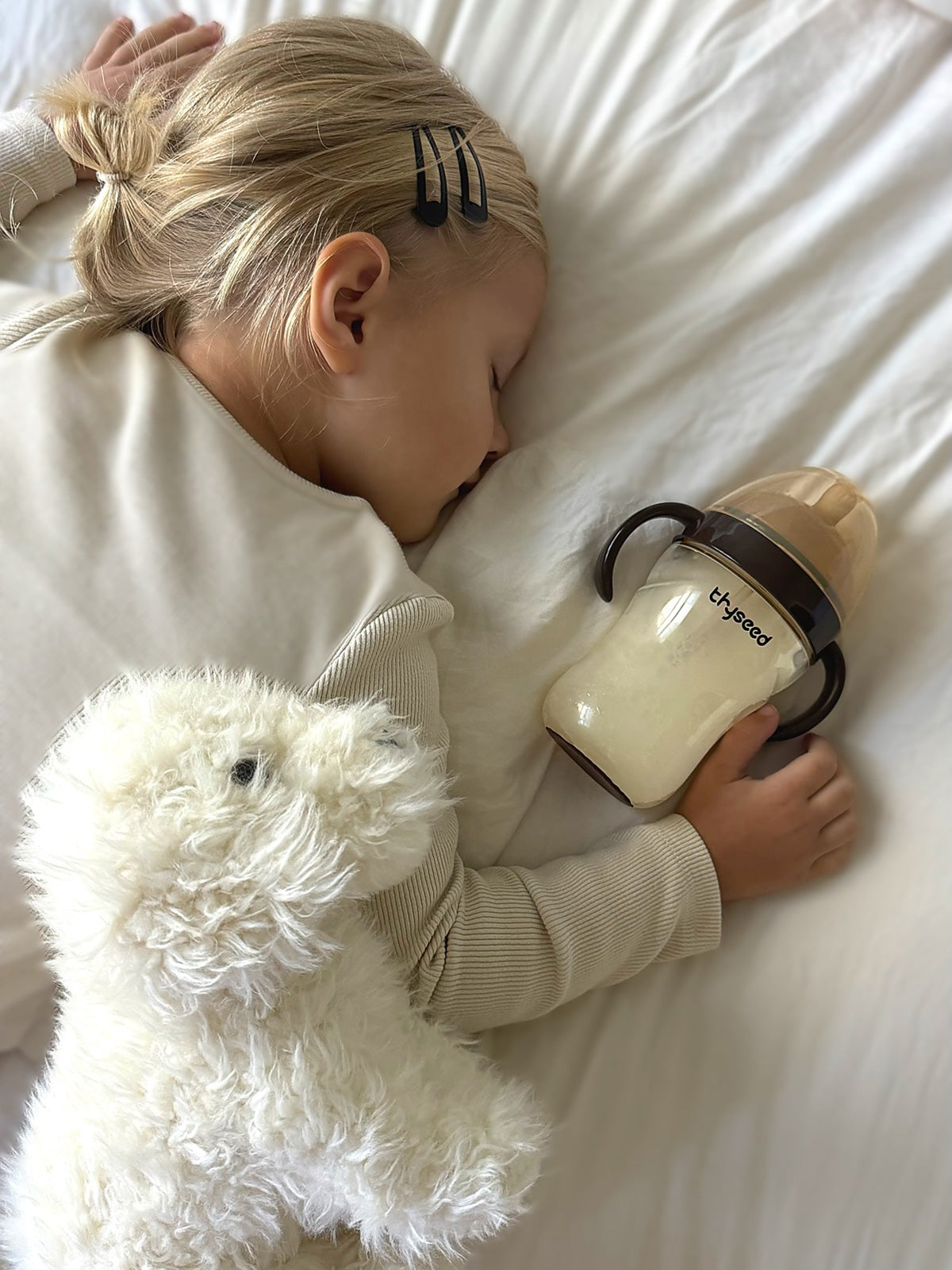
Understanding Newborn Feeding Needs
Newborns have distinct feeding requirements due to their developing digestive systems and small stomach capacities. In the first few weeks, a newborn typically feeds every two to three hours, which means caregivers need bottles that can accommodate frequent feedings. A newborn's digestive system is also sensitive; therefore, choosing a bottle that minimizes air intake can help reduce the risk of gas and discomfort. During this stage, the bond between the caregiver and the baby is crucial, and a bottle that allows for a comfortable feeding position can enhance this experience. For instance, a friend of mine found that using an angled bottle helped her baby latch better, making both feeding and bonding more enjoyable.
Types of Baby Bottles
There are several types of baby bottles available, each designed to cater to different feeding preferences and needs. Standard bottles are the most common; they usually have a straight shape and come in various sizes. Angled bottles, on the other hand, are designed to allow milk to flow to the nipple without air, which can be beneficial for babies with reflux. Collapsible bottles offer a unique solution, as they can shrink in size as the baby drinks, helping to minimize air intake. Additionally, there are bottles that come with built-in colic valves, designed to reduce gas and fussiness. Understanding these options can help you choose the bottle that best fits your newborn's feeding style.
Material Considerations
Baby bottles are typically made from three main materials: plastic, glass, and silicone. Plastic bottles are lightweight and shatterproof, making them a popular choice for many parents. However, concerns about chemicals like BPA have led some caregivers to opt for glass bottles, which are considered safer and more durable. Glass bottles can be heavier and more prone to breakage, but they are easy to clean and do not retain odors. Silicone bottles are a newer option, offering flexibility and a soft feel that can be comforting for newborns. Each material has its pros and cons, and parents should consider safety, ease of use, and personal preferences when making their choice.
Nipple Types and Flow Rates
Nipple shape, material, and flow rate play a significant role in a newborn's feeding experience. Nipples come in various shapes, including wide, orthodontic, and traditional, each designed to mimic breastfeeding to some extent. The material can also vary, with options including silicone and latex; silicone is generally more durable and easier to clean, while latex is softer but may wear out faster. Flow rates are crucial, as they determine how quickly milk comes out of the nipple. Newborns typically require slow flow nipples to prevent choking and to allow them to feed comfortably. It's essential to observe your baby during feedings to determine which nipple type and flow rate they prefer, as these factors can significantly affect their feeding experience.
Choosing the Right Bottle for Your Newborn
When selecting the best baby bottle for your newborn, consider factors such as your baby's specific needs, your feeding routine, and any challenges you may face. For instance, if your baby struggles with gas, look for bottles designed to reduce air intake. If you're on the go frequently, lightweight and portable options might be more suitable. Additionally, consider the preferences of your baby; some may favor certain nipple shapes or materials over others. It's always a good idea to try a few different bottles to see which one your newborn feeds best from. Engaging with other parents can also provide insights; one friend mentioned how trying multiple brands led her to discover the perfect bottle for her little one.
Essential Insights for Choosing Baby Bottles
Choosing the right baby bottle for your newborn is a crucial decision that can enhance their feeding experience and strengthen the bond between you and your child. By understanding the unique feeding needs of newborns and exploring the various types of bottles available, as well as their materials and nipple options, you can make an informed choice. Remember that every baby is different, and what works for one may not work for another. Take the time to experiment with different bottles while keeping your newborn's comfort and feeding habits in mind. Ultimately, the right baby bottle can make feeding time a pleasant and nurturing experience for both you and your baby.