

Uncover the Secrets to Choosing the Perfect Newborn Feeding Bottle!
Choosing the right newborn feeding bottle is crucial for your baby's health and comfort. With so many options available, it can feel overwhelming for new parents trying to make the best choice. A proper feeding bottle can help ensure that your baby is adequately nourished while also providing a positive feeding experience. Factors such as material, size, nipple shape, and flow rate all play a significant role in selecting the ideal bottle for your little one. This article will guide you through the essential considerations when purchasing a newborn feeding bottle, helping you make an informed decision that suits your family's needs.
Understanding Newborn Feeding Needs
Newborns have specific nutritional requirements that are essential for their growth and development. In the first few months of life, babies primarily rely on breast milk or formula, which provides the necessary nutrients and hydration. Feeding bottles are crucial for delivering this nourishment, especially for parents who may choose to bottle-feed or supplement breastfeeding. It's important to ensure that the feeding bottle you select caters to your baby's feeding habits and supports their feeding techniques. For instance, if your newborn is struggling with latching during breastfeeding, a bottle that mimics the breast could help ease that transition. Additionally, understanding your baby's feeding patterns can guide you in selecting the right bottle type and nipple flow rate, making feeding time a smoother experience for both you and your baby.
Types of Newborn Feeding Bottles
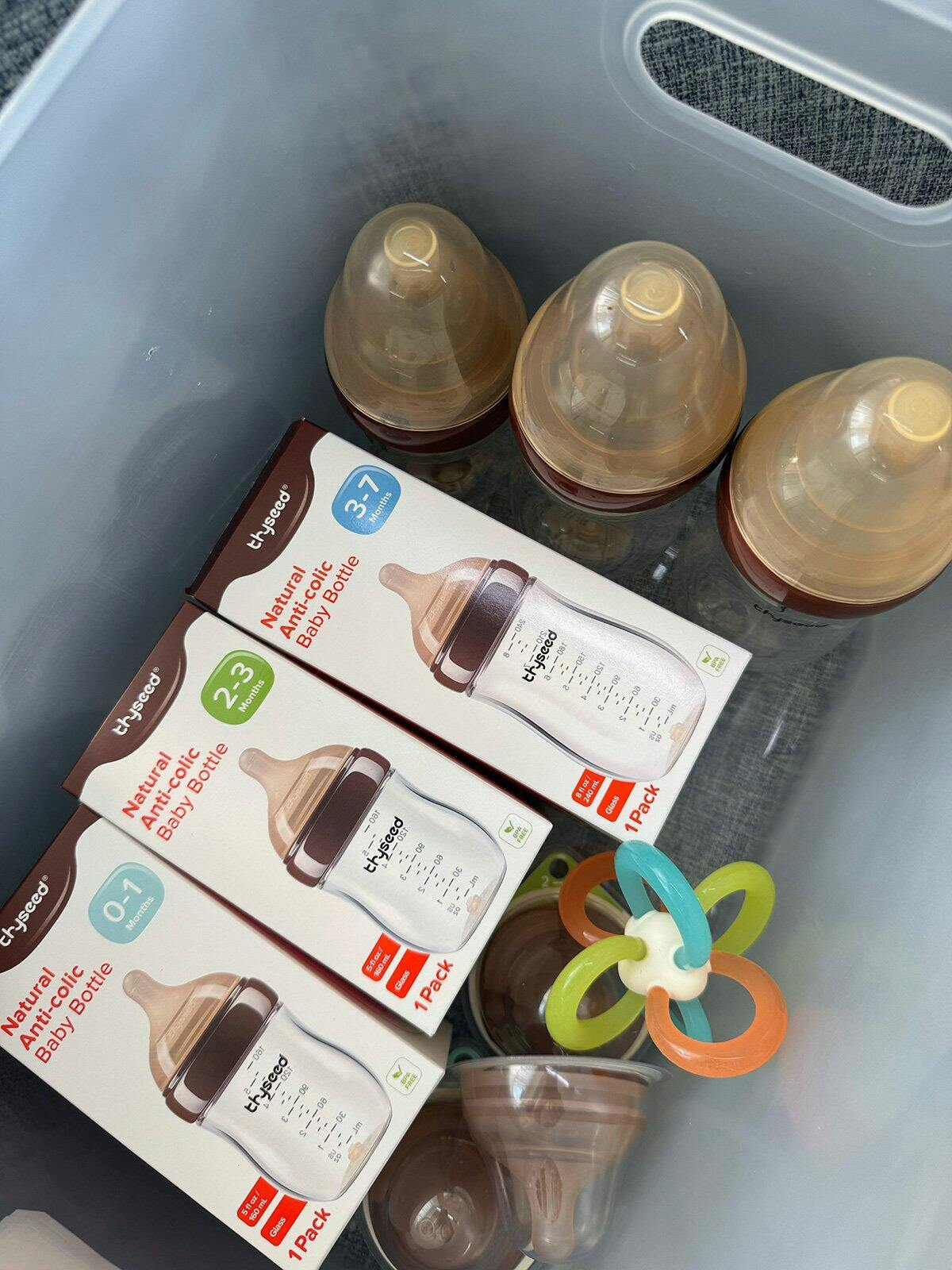
There are several types of feeding bottles available on the market, each made from different materials such as plastic, glass, and silicone. Plastic bottles are lightweight and shatterproof, making them a popular choice for on-the-go parents. However, it's essential to ensure that any plastic bottles are free from BPA and other harmful chemicals. Glass bottles, on the other hand, are sturdy and do not retain odors or stains, but they can be heavy and more prone to breakage. Silicone bottles provide a flexible and soft option that can be easier for newborns to hold and drink from but may not be as durable as glass. When choosing a feeding bottle, consider your lifestyle, the frequency of use, and how easy the bottle is to clean and sterilize. Each material has its unique advantages and drawbacks, making it essential to weigh these factors based on your needs.
Choosing the Right Nipple for Your Bottle
The nipple is a critical component of a feeding bottle, as it directly affects how your baby feeds. Nipples come in various shapes, sizes, and flow rates designed to suit different feeding styles and preferences. For instance, some babies may prefer a wider nipple that mimics the breast, while others may find a longer, more slender nipple easier to latch onto. Additionally, flow rates differ among nipples, with options ranging from slow to fast. Newborns typically require slower flow nipples to help them manage their feeding pace and reduce the risk of choking. As your baby grows and their feeding habits change, you may need to switch to a different nipple type. It's helpful to experiment with a few different options to discover what works best for your baby, as each infant has unique preferences.
Safety and Hygiene Considerations
When it comes to feeding your newborn, safety should be a top priority. Look for feeding bottles made from BPA-free materials, ensuring that they are safe for your baby's health. Additionally, consider bottles that are easy to clean and sterilize, as proper hygiene is essential in preventing infections and ensuring your baby's well-being. Regularly washing bottles after each use with warm soapy water or in a dishwasher is crucial. Moreover, sterilizing bottles before the first use and periodically thereafter can help eradicate any harmful bacteria. Many parents find that steam sterilizers or boiling water are effective methods for sanitizing bottles. By prioritizing safety and hygiene, you can enjoy peace of mind during feeding times.
Tips for Transitioning to a Feeding Bottle
Introducing a feeding bottle to a newborn can sometimes be challenging, but with the right strategies, it can be a smooth process. Start by offering the bottle during a time when your baby is calm and not overly hungry, making them more receptive to the new experience. You might find that having someone else offer the bottle—while you’re out of sight—can help, as babies can sometimes refuse the bottle when they can sense their parent nearby. Be patient, as it may take several attempts for your baby to accept the bottle. If there are challenges, such as refusal or fussiness, try different nipple shapes or flow rates to see if your baby responds better. Remember that every baby is different, and persistence is key to successfully transitioning to bottle feeding.
Summary of Key Considerations
In summary, selecting the perfect newborn feeding bottle involves understanding your baby's nutritional needs and considering various factors such as the type of bottle, nipple shape, and safety features. By taking the time to research and compare your options, you can ensure that you choose a bottle that meets your baby's requirements and enhances their feeding experience. Remember to prioritize safety and hygiene, and be patient during the transition to bottle feeding. Ultimately, the right feeding bottle will contribute to your baby's health and happiness, making the journey of parenthood a little smoother.