

Unlock the Secrets to Perfect Bottle Feeding: Transform Your Newborn's Experience!
Bottle feeding can be a vital part of nurturing a newborn, offering a flexible feeding option for parents and caregivers. However, it often comes with its fair share of concerns and misconceptions. Many parents worry about whether their baby will accept the bottle, how to ensure proper nutrition, or if they are doing it correctly. Understanding the nuances of bottle feeding is essential—not just for the health of the baby but also for the peace of mind of the caregivers. Proper techniques can create a positive feeding experience, fostering a bond between the caregiver and the newborn while ensuring that the baby receives the nutrients they need. In this article, we’ll delve into best practices, techniques, and considerations that every parent should know to make bottle feeding a success.
Understanding Bottle Feeding Basics
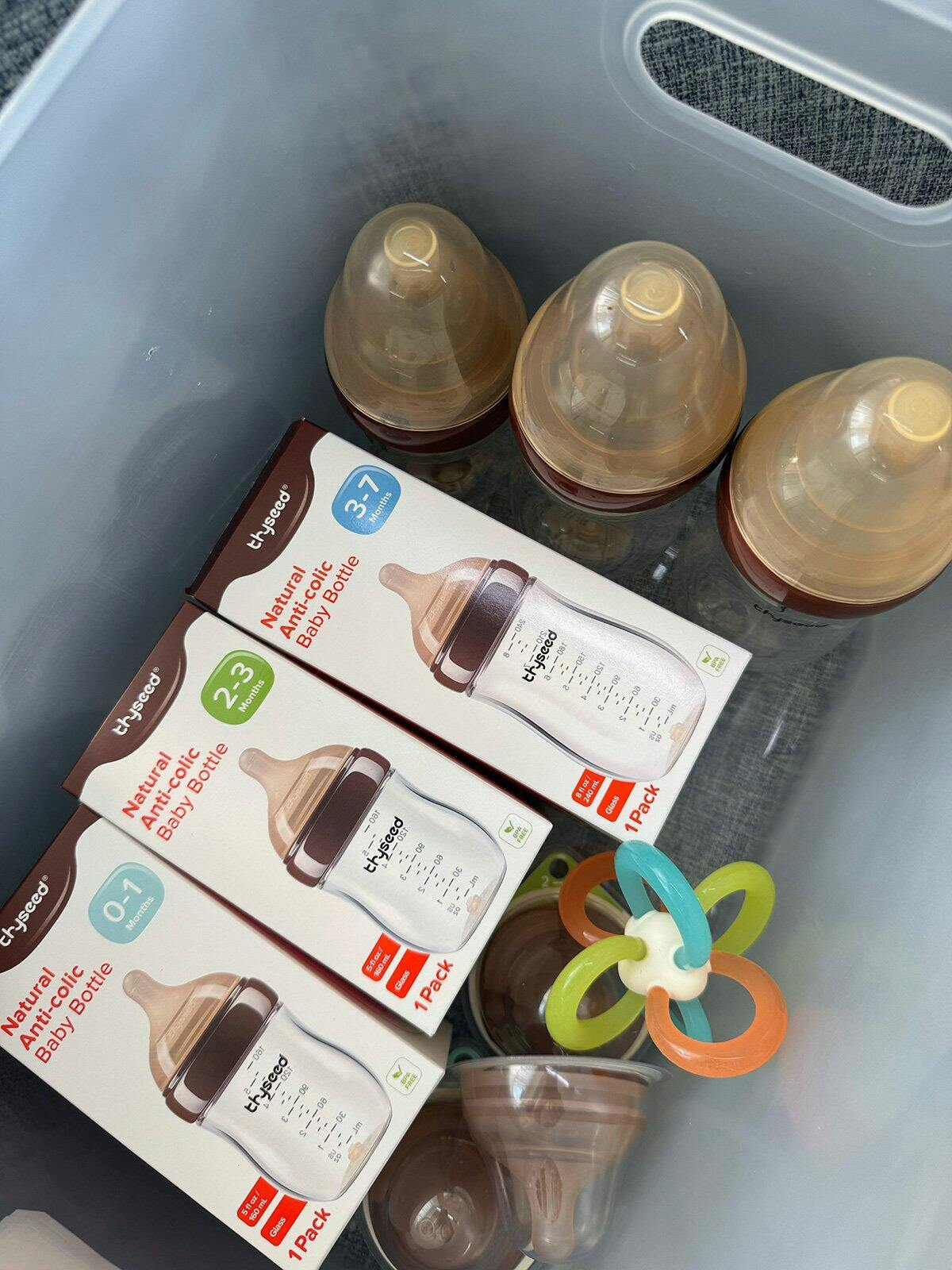
When it comes to bottle feeding, the fundamentals are crucial for a smooth experience. Parents can typically start bottle feeding newborns around 2 to 4 weeks of age, once breastfeeding is established or if a bottle is needed for other reasons. Choosing the right type of bottle is essential; there are various designs available, such as angled bottles, wide-neck bottles, and bottles designed to reduce gas. The nipples also come in different shapes and flow rates, which can affect how the baby feeds. Additionally, sterilization should never be overlooked—cleaning bottles and nipples properly before each use minimizes the risk of infections. All these elements contribute to a successful feeding experience and help establish a comforting routine for your baby.
Techniques for Successful Bottle Feeding
Effective bottle feeding goes beyond just having the right equipment; it’s also about employing the right techniques. Positioning is key—holding the baby upright and at a slight angle can help prevent choking and make swallowing easier. Pace feeding is another method that mimics breastfeeding; it involves allowing the baby to suck and swallow at their own rhythm, giving them breaks as needed. Recognizing hunger cues is also vital; a baby may root, suck on their hands, or fuss. It’s important to respond to these signals promptly. Creating a comfortable environment for both the baby and caregiver can enhance the experience—dim lighting and a soothing atmosphere can help ease tension. Personal experiences from friends have shown that taking the time to bond during feedings fosters a deeper connection, which is essential in these early stages of life.
Common Challenges and Solutions
Despite best efforts, bottle feeding can come with challenges. One common issue is bottle rejection, where a baby refuses to take the bottle. This can often be resolved by trying different nipples or allowing someone else to feed the baby, as they may associate the caregiver with breastfeeding. Gas and fussiness can also arise during bottle feeding, which may be alleviated by ensuring the baby is in an upright position and using bottles designed to minimize air intake. Overfeeding is another concern; parents should watch for signs of fullness, such as turning away from the bottle or becoming disinterested. In these cases, pacing the feed and allowing breaks can help regulate the baby’s intake and prevent discomfort.
When to Seek Professional Guidance
While many parents navigate the bottle feeding journey with ease, some may encounter persistent challenges. Signs that may indicate the need for professional help include ongoing feeding issues, such as a baby who consistently refuses the bottle or shows signs of distress during feedings. Health concerns, such as poor weight gain or excessive fussiness, should also prompt a consultation with a healthcare provider. It’s important to remember that seeking help is not a sign of failure; rather, it is a proactive approach to ensure the well-being of both the baby and the caregiver. Healthcare professionals can offer tailored advice and support to address specific concerns, helping parents feel more confident in their bottle feeding journey.
Creating Positive Feeding Experiences
In summary, bottle feeding can be a rewarding experience when approached with the right knowledge and techniques. By understanding the basics, employing effective feeding strategies, addressing common challenges, and knowing when to seek help, parents can create a positive feeding environment for their newborns. Ultimately, bottle feeding is not just about nutrition; it is also about the connections formed during these special moments. Embrace the journey, and remember that every baby is unique—what works for one may not work for another. With patience and practice, bottle feeding can become a cherished part of your daily routine.