

Unlock the Secret to Effortless Bottle Feeding: Discover the Ultimate Solutions Today!
Bottle feeding is a crucial aspect of caring for newborns, offering flexibility for parents and ensuring that infants receive the nutrition they need. However, the transition to bottle feeding can come with its own set of challenges, such as finding the right bottle, choosing an appropriate formula, and getting your baby to accept the bottle. This article aims to explore various solutions and comparisons of different bottle feeding options, helping you navigate the world of bottle feeding with confidence. Whether you're a first-time parent or looking to refine your feeding routine, understanding the ins and outs of bottle feeding is essential for a smooth experience.
Understanding Bottle Feeding Basics
Bottle feeding involves providing your newborn with expressed breast milk or formula through a bottle. This method is often chosen for its convenience, allowing parents to share feeding responsibilities and track the baby's intake more easily. Newborns have unique nutritional needs, requiring a balance of vitamins, minerals, and calories to support their rapid growth and development. Selecting the right bottle is just as critical as choosing the right formula, as it impacts how comfortably and effectively your baby feeds. A bottle that’s too big or has a nipple that’s too fast can frustrate a newborn, while the right choice can make feeding a joyful bonding experience.
Comparing Different Types of Bottles
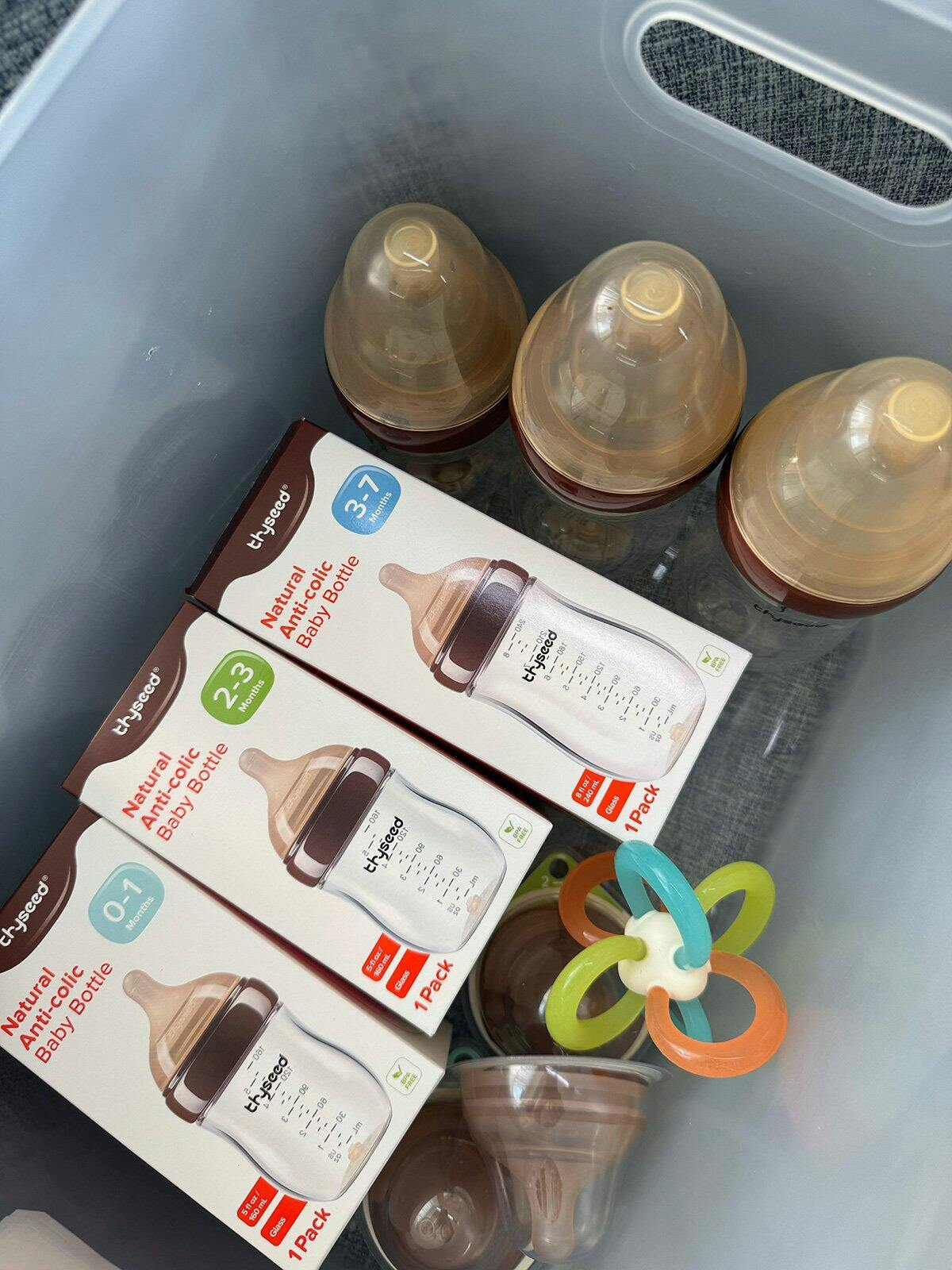
When it comes to bottle materials, parents typically choose between plastic, glass, and silicone. Plastic bottles are lightweight and shatterproof, making them popular for on-the-go parents. However, they can retain odors and may not be as durable over time. Glass bottles, while heavier and more fragile, are often praised for their ability to be sterilized easily and for not leaching chemicals. Silicone bottles are a newer option, blending flexibility and durability, and can be easier for babies to grip. Each material has its pros and cons, and the best choice often depends on the family's lifestyle and preferences.
Design Features to Consider
Key design features of bottles can significantly affect the feeding experience. The shape of the nipple is crucial; some babies prefer a wider, more natural shape that mimics breastfeeding, while others may adapt better to a standard shape. Flow rate is another important factor—newborns typically require a slower flow to prevent choking, so opt for nipples designed specifically for their age group. Additionally, anti-colic options that reduce air ingestion can help prevent gas and discomfort, providing a more pleasant feeding experience for both baby and caregiver.
Choosing the Right Formula
Choosing the right formula can be daunting given the variety available on the market. Cow's milk-based formula is the most commonly used, but some babies may require soy-based options due to dairy allergies or lactose intolerance. Hypoallergenic formulas are designed for infants with severe allergies and are typically easier to digest. Always consult with your pediatrician to assess which type of formula is best suited for your newborn's specific needs, as their health and comfort should always come first.
Preparing and Storing Formula
Proper preparation and storage of formula are essential for ensuring your baby's safety. Always wash your hands before handling formula, and use clean bottles and nipples. Follow the instructions on the formula packaging carefully to prepare the right concentration. Store any prepared formula in the refrigerator and use it within 24 hours to prevent bacterial growth. When warming the formula, avoid using a microwave, as it can create hot spots; instead, place the bottle in warm water or use a bottle warmer to ensure it reaches a safe temperature for your baby.
Tips for Successful Bottle Feeding
Introducing bottle feeding can be a gradual process. Start by allowing your newborn to get accustomed to the bottle by letting them suck on the nipple without any formula. If they resist, try different positions or have someone else offer the bottle while you’re out of sight. Maintaining a calm and relaxed environment during feeding can help make the experience more enjoyable. Remember, patience is key; some babies take longer to adapt than others, so don’t be discouraged if it doesn’t go smoothly at first. Celebrate small victories, and soon you’ll find a rhythm that works for both you and your baby.
Final Thoughts on Bottle Feeding
In conclusion, effective bottle feeding is all about finding the right combination of bottles and formula that suit your newborn’s needs. Understanding the different types of bottles, their materials, and the essential design features can significantly enhance the feeding experience. Coupled with knowledge about formulas and safe preparation practices, you are well-equipped to embark on this new journey. Remember to be flexible and open to trying different solutions until you find what works best for you and your baby. With the right tools and techniques, bottle feeding can become a rewarding part of your nurturing routine.